
Discover the best two color combination for bedroom walls with 13 stylish ideas, expert decorating tips, and modern inspiration to transform your bedroom in 2026.
Choosing the right two color combination for bedroom walls is one of the easiest ways to give your bedroom a fresh, stylish, and personalized look. The right colour pairing can make a small room feel more spacious, create a cozy atmosphere, or add a touch of luxury without requiring a complete makeover.
In this guide, you’ll discover 13 of the best two color Combination for Bedroom Walls. The right bedroom wall colors can completely change the look and feel of your space. Whether you prefer a calm retreat, a modern aesthetic, or a luxurious design, these carefully selected two color combinations offer inspiration for every decorating style. Explore the ideas below to find the perfect match for your bedroom.
How to Choose the Right Two Color Combination for Bedroom Walls
Choosing the right two color combination for bedroom walls is about more than selecting two shades that look attractive together. The colors should work with the bedroom’s size, natural lighting, furniture, flooring, bedding, curtains, and overall decorating style. A combination that looks beautiful in a large, bright bedroom may feel too dark in a small room with limited sunlight, so consider the existing features of your space before choosing your final palette.
Start by deciding which color will be the dominant shade and which one will act as the supporting or accent color. In many bedrooms, a lighter neutral such as white, cream, beige, or light gray works well as the main shade, while a deeper green, blue, gray, terracotta, or other accent color creates visual interest. You can also reverse this approach when you want a more dramatic bedroom, using the deeper color across most of the room and a lighter shade to balance it.
Your bedroom furniture should also influence your choice. Warm wood furniture usually works naturally with beige, cream, terracotta, olive, and warm white combinations, while white, black, or gray furniture can pair well with cooler shades such as blue, charcoal, sage, or soft gray. Look at your existing bed frame, nightstands, wardrobe, flooring, and curtains before purchasing paint so the finished room feels coordinated rather than made up of unrelated colors.
Lighting is equally important when selecting a two color combination for bedroom walls. Natural sunlight can make colors appear brighter and warmer, while a room with little daylight may make some shades appear darker or cooler. If possible, test your selected colors on the actual wall and observe them at different times of the day before painting the entire bedroom.
Why Choose a Two Colour Combination for Bedroom Walls?
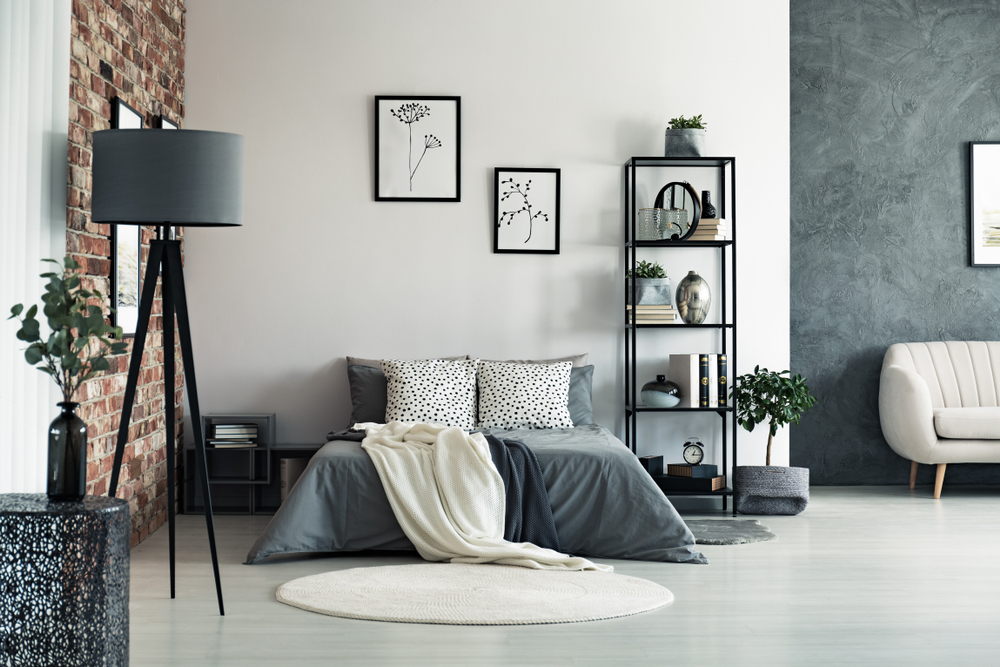
A well planned two color combination for bedroom walls does more than improve your bedroom’s appearance it creates a balanced, inviting space that reflects your personality and lifestyle. Using two complementary colors adds depth, highlights architectural features, and makes your bedroom feel more visually appealing than a single color design.
One of the biggest advantages of two tone walls is their versatility. Light color combinations can make a small bedroom feel brighter and more spacious, while darker accent walls add warmth, sophistication, and a cozy atmosphere to larger rooms. You can also use contrasting shades to create a stylish focal point behind the bed or define different areas within the room.
How to Choose the Right Two Colour Combination for Bedroom Walls
Selecting the perfect two color combination for bedroom walls involves more than choosing your favorite shades. The right pairing should complement your room’s size, lighting, furniture, and overall design style.
Consider Your Bedroom Size
The size of your bedroom plays a major role in choosing wall colors. Light color combinations such as white and beige or sage green and white can make a small bedroom feel larger and more open. In spacious bedrooms, you have more flexibility to experiment with darker shades like navy blue or charcoal gray paired with lighter neutrals for added depth.
Evaluate Natural Lighting
Natural light can significantly change how paint colors appear throughout the day. Rooms with plenty of sunlight can handle cooler or darker tones without feeling gloomy, while bedrooms with limited natural light often look best with warm, light-colored combinations that reflect more light.
Match Your Furniture and Décor
Your wall colors should work harmoniously with your existing furniture, flooring, curtains, and bedding. Wooden furniture pairs beautifully with earthy tones like beige, olive green, and cream, while modern white or black furniture complements cool grays, blues, and crisp white walls.
Choose Colors That Match Your Style
Think about the atmosphere you want to create. Soft neutrals and muted greens are perfect for a calm, relaxing retreat, while bold combinations such as navy blue and white or black and ivory create a sophisticated, contemporary look. If you prefer a timeless design, choose classic color pairings that won’t go out of style.
Test Paint Samples First
Paint colors often look different on your walls than they do on a color card or computer screen. Before painting the entire room, test a few samples on different walls and observe how they look during the morning, afternoon, and evening. This simple step helps you avoid costly mistakes and ensures you’re happy with the final result.
13 Best Two Colour Combination for Bedroom Walls
The right bedroom wall colors can completely change the look and feel of your space.
1.
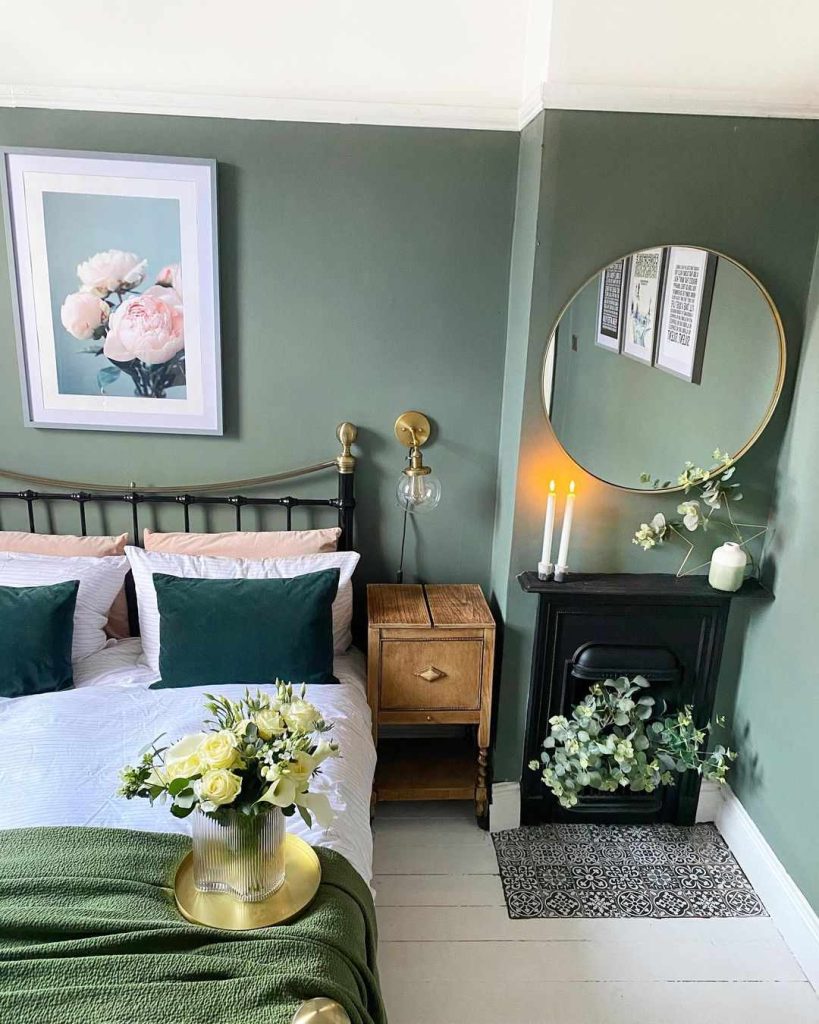
White and Sage Green
White and sage green are one of the best two colour combination for bedroom walls if you want a fresh, peaceful, and nature-inspired bedroom. The crisp white keeps the room bright and spacious, while sage green adds a soft touch of color that promotes relaxation. This timeless pairing creates a cozy retreat without making the space feel overwhelming.
This two color combination for bedroom walls works especially well in bedrooms with plenty of natural light, where the green tones appear fresh and vibrant throughout the day. It also complements a variety of interior styles, including Scandinavian, modern farmhouse, coastal, and minimalist décor.
2.
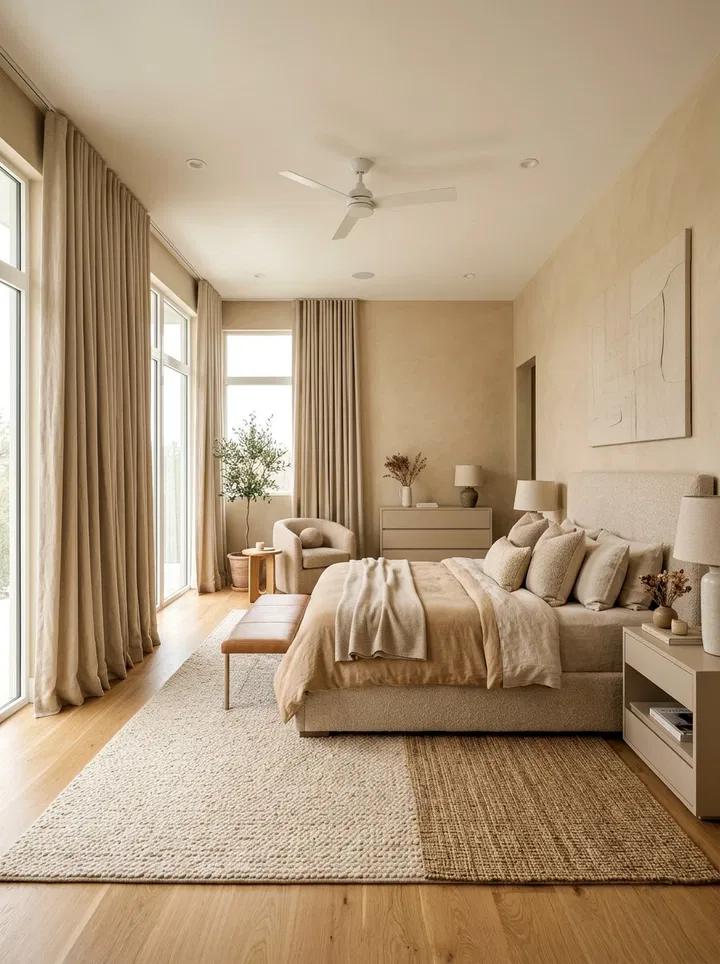
Beige and Warm White
Beige and warm white are a classic two colour combination for bedroom walls that create a cozy, elegant space with timeless appeal. Warm white brightens the room, while beige adds warmth and depth, making the bedroom feel comfortable and inviting. This versatile color pairing complements both modern and traditional interiors.
Use warm white on the main walls and beige on the accent wall behind the bed to create subtle contrast. This two color combination for bedroom walls pairs beautifully with natural wood furniture, neutral bedding, soft lighting, and textured rugs for a relaxed and sophisticated look.
Best for: Master bedrooms, guest rooms, and minimalist interiors.
3.
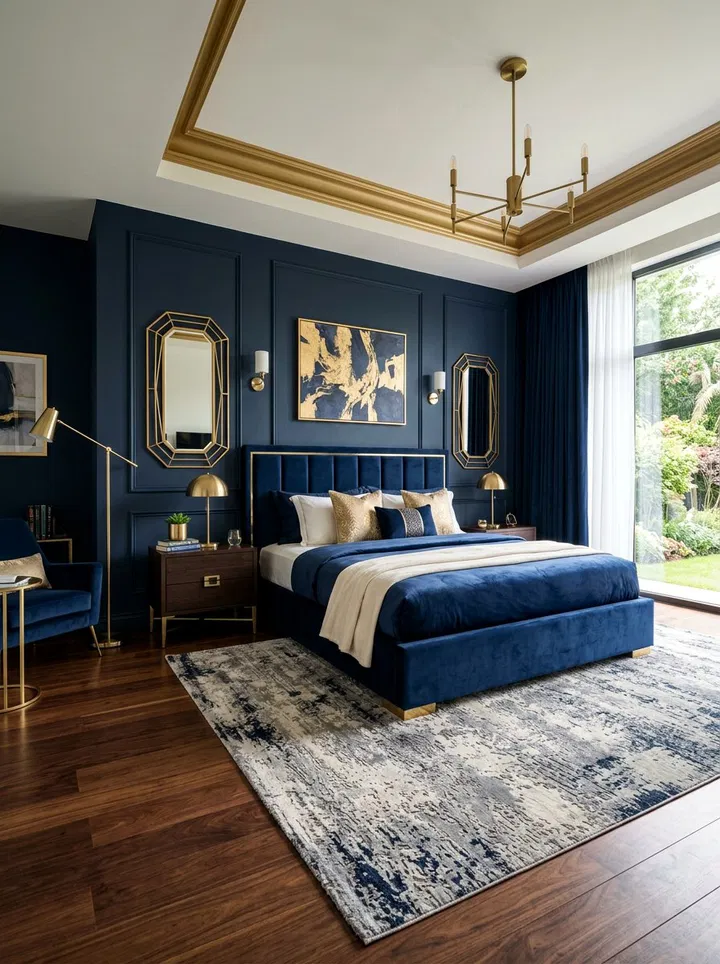
Navy Blue and White
Navy blue and white are a striking two color combination for bedroom walls that create a bold yet balanced look. The deep navy blue adds richness and depth, while white keeps the room feeling bright and open. This stylish pairing is ideal for creating a modern, elegant, and luxurious bedroom.
Use navy blue as an accent wall behind the bed and paint the remaining walls white for a beautiful contrast. This two colour combination for bedroom walls looks stunning with white bedding, wooden or black furniture, metallic accents, and soft lighting for a sophisticated, hotel-inspired space.
Best for: Modern, contemporary, and coastal style bedrooms.
4.
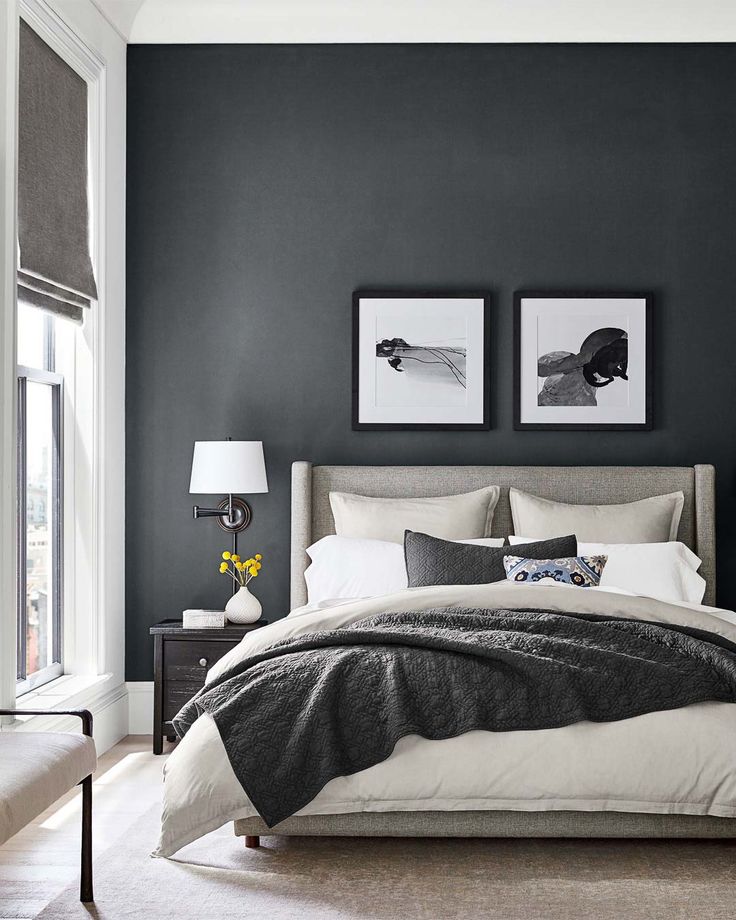
Charcoal Gray and Light Gray
Charcoal gray and light gray are a sophisticated two colour combination for bedroom walls that create a sleek, modern look. The darker gray adds depth and elegance, while light gray keeps the space balanced and prevents it from feeling too dark. This timeless color pairing works well in a variety of contemporary interiors.
Paint the accent wall charcoal gray and use light gray on the remaining walls for a layered effect. This two color combination for bedroom walls pairs beautifully with white bedding, black furniture, metallic décor, and warm lighting to create a stylish and inviting bedroom.
Best for: Modern, industrial, and contemporary bedrooms.
5.
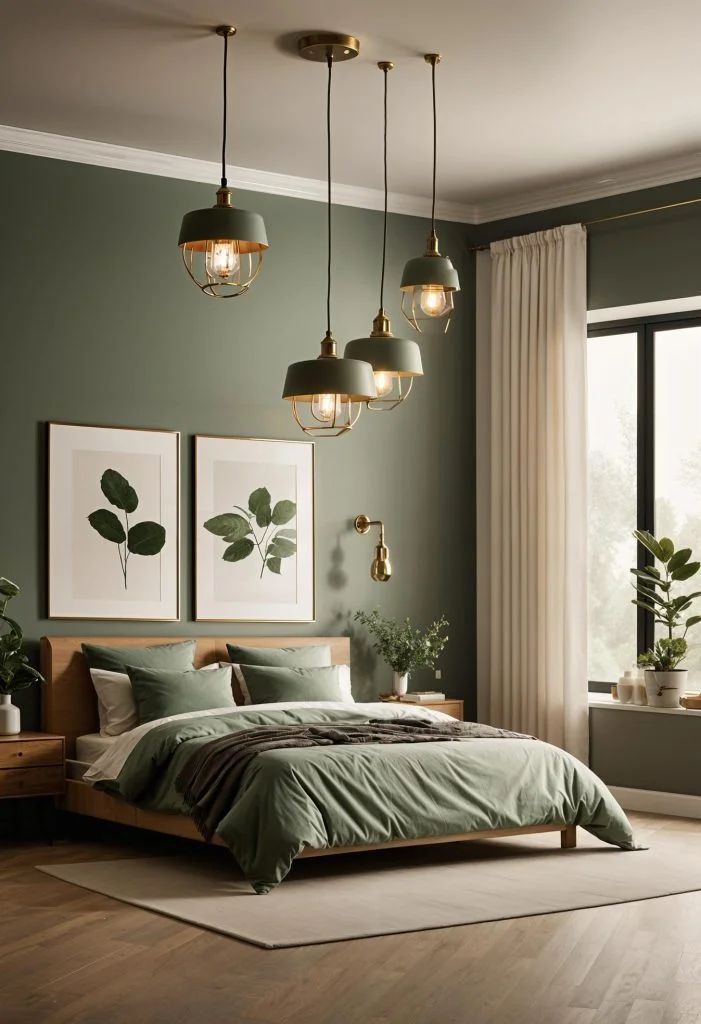
Forest Green and Cream
Forest green and cream are a beautiful two colour combination for bedroom walls that bring a rich, nature-inspired feel to any bedroom. Forest green adds depth and warmth, while cream softens the overall design, creating a space that feels cozy yet elegant. This timeless pairing works beautifully in both classic and modern homes.
Use forest green as the accent wall behind the bed and paint the remaining walls cream to keep the room bright and balanced. This two color combination for bedroom walls pairs perfectly with wooden furniture, white bedding, gold accents, and indoor plants for a warm and inviting atmosphere house, and luxury style bedrooms.
6.
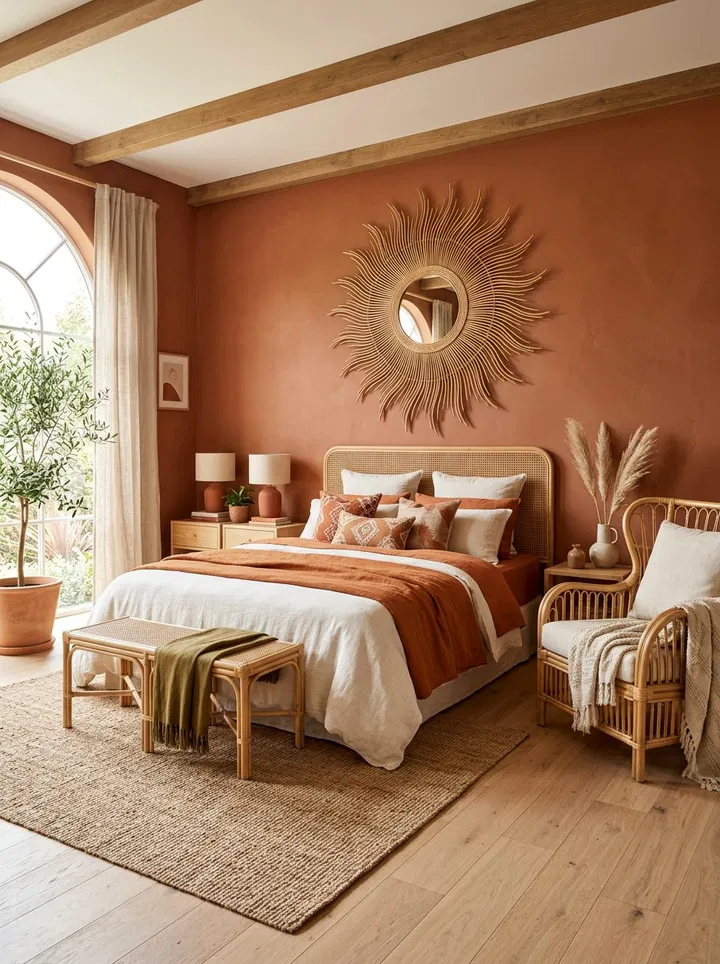
Terracotta and Beige
Terracotta and beige are a beautiful two color combination for bedroom walls that creates a warm, earthy, and inviting atmosphere. The rich terracotta shade adds depth, personality, and warmth, while beige balances the look with a soft, calming, and elegant feel. This color pairing is perfect for designing a cozy bedroom retreat that feels both stylish and relaxing.
For the best effect, use terracotta as an accent wall behind the bed and paint the remaining walls in beige to create a balanced contrast. Pair this two color combination for bedroom walls with wooden furniture, linen bedding, woven textures, indoor plants, and warm lighting to enhance the natural earthy aesthetic. This combination works beautifully for modern, rustic, and bohemian bedroom styles.
7.
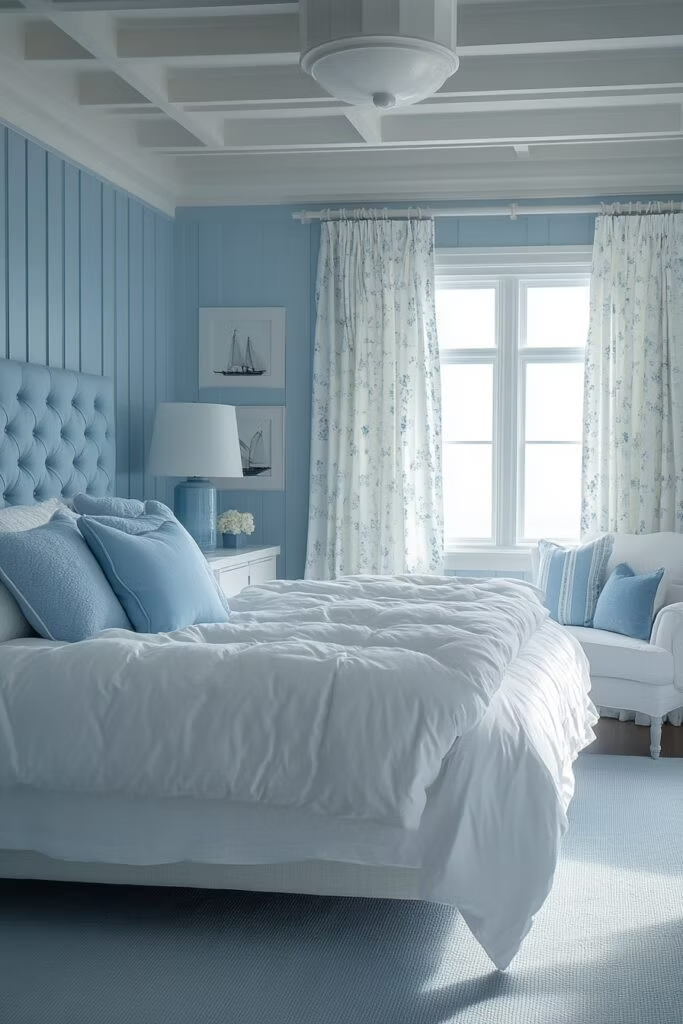
Sky Blue and White
Sky blue and white are a timeless two color combination for bedroom walls that creates a bright, airy, and peaceful atmosphere. Sky blue adds a calming touch inspired by the natural beauty of the sky, while white reflects light and makes the bedroom feel more spacious and fresh. This soothing color combination is perfect for creating a relaxing sleep environment with a clean and elegant look.
For a balanced design, paint the wall behind the bed in sky blue and keep the remaining walls white. Complete this two color combination for bedroom walls with white furniture, light wood finishes, soft blue décor accents, and cozy textiles to enhance the refreshing feel. This combination works especially well for coastal, minimalist, and small bedroom designs.
8.
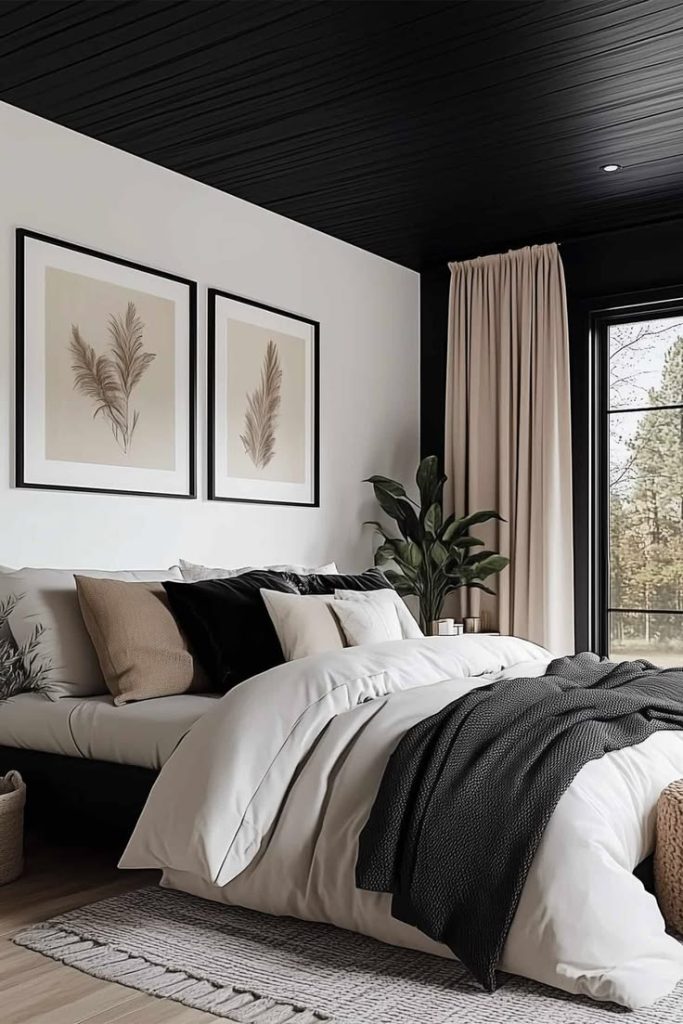
Black and Ivory
Black and ivory are a sophisticated two color combination for bedroom walls that creates a bold, elegant, and timeless look. Black adds depth, drama, and a luxurious feel, while ivory softens the overall design with warmth and brightness. This striking contrast creates a stylish bedroom without making the space feel too dark or overwhelming.
For a balanced effect, use black on the accent wall behind the bed and keep the remaining walls ivory. Enhance this two color combination for bedroom walls with light-colored bedding, wooden furniture, gold décor accents, and warm lighting to create a cozy and luxurious atmosphere. This color pairing is perfect for modern interiors and adds a refined touch to contemporary bedroom designs.
9.
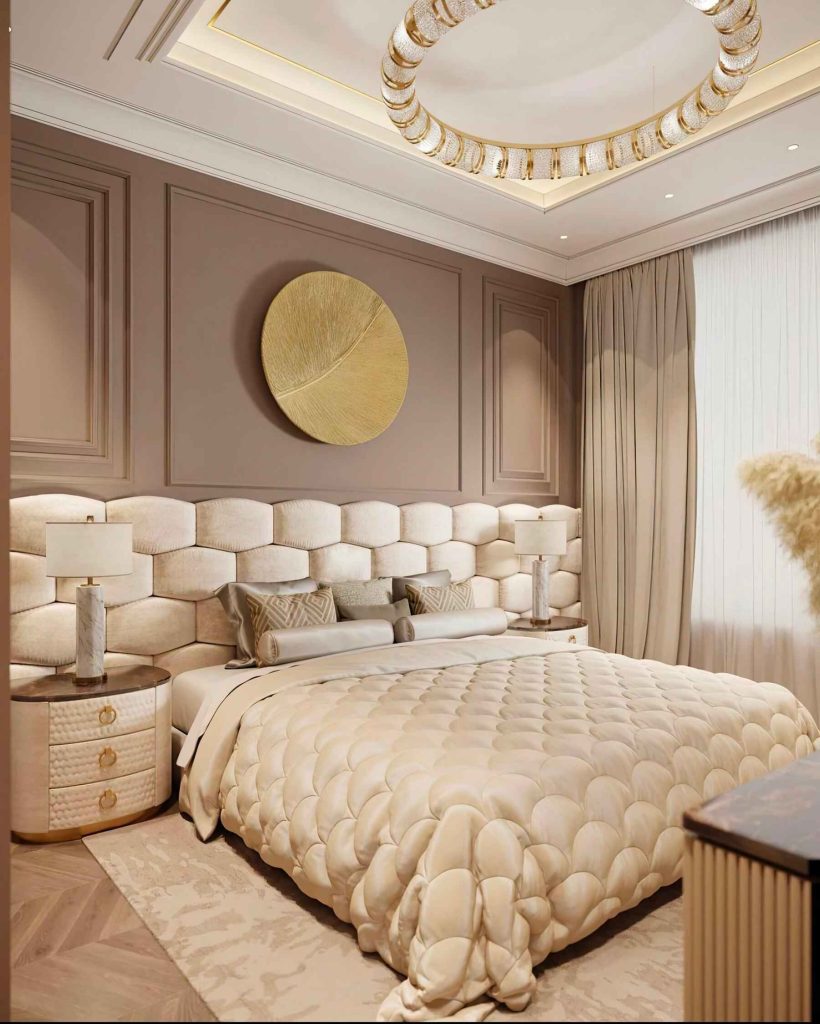
Taupe and Cream
Taupe and cream are a beautiful two color combination for bedroom walls that creates a soft, elegant, and inviting atmosphere. Taupe adds subtle depth and warmth, while cream keeps the bedroom feeling bright, airy, and comfortable. This timeless neutral pairing creates a sophisticated look that blends effortlessly with different interior styles.
For a balanced design, use taupe on the accent wall behind the bed and cream on the remaining walls. Enhance this two color combination for bedroom walls with upholstered furniture, wooden nightstands, cozy bedding, textured fabrics, and soft lighting to create a warm and relaxing bedroom retreat. This versatile color combination works well for both classic and contemporary spaces.
10.
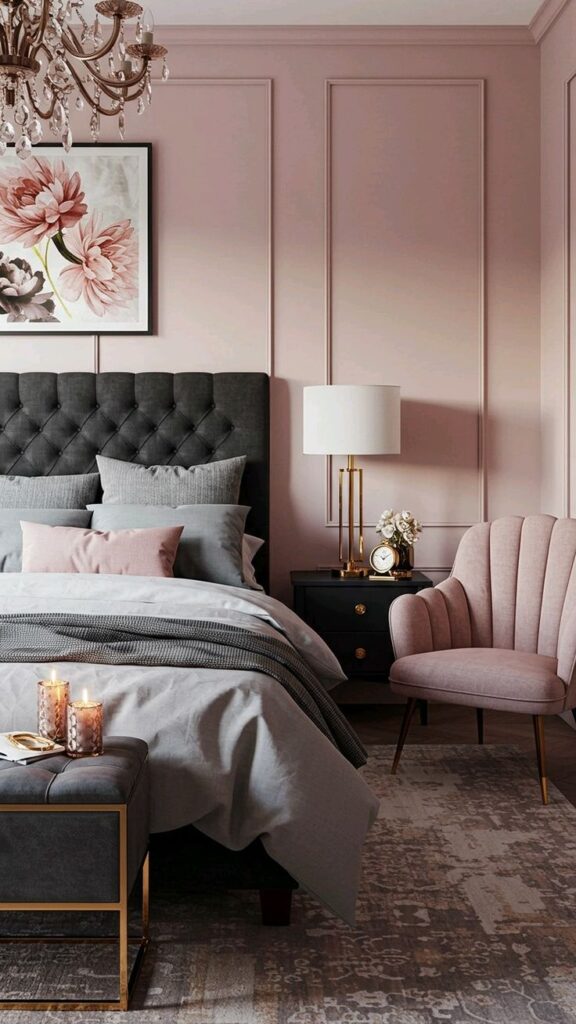
Soft Pink and Gray
Soft pink and gray create a stylish bedroom that feels warm, elegant, and relaxing. The gentle pink adds warmth and charm, while gray balances the look with a modern touch. Together, they create a soothing color palette that never feels overpowering.
Paint one wall soft pink and use light gray on the remaining walls for a balanced, contemporary look. Pair the colors with white furniture, plush bedding, and metallic accents to add a refined finish.
Best for: Modern, feminine, and contemporary bedrooms.
11.
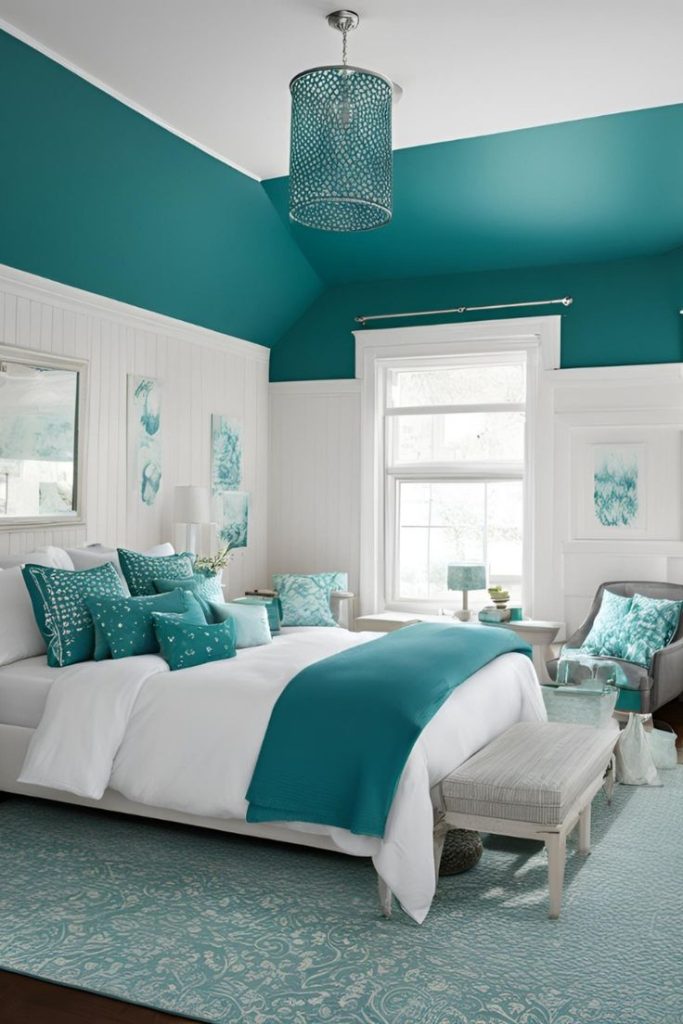
Teal and White
Teal and white create a vibrant yet balanced bedroom with a fresh, modern feel. Teal adds richness and personality, while white brightens the room and keeps the overall design clean and spacious. This combination brings energy without sacrificing comfort.
Use teal as the accent wall behind the bed and paint the remaining walls white for a crisp contrast. Pair the colors with light wood furniture, white bedding, and gold or brass accents to create a polished and inviting space.
Best for: Modern, coastal, and contemporary bedrooms.
12.
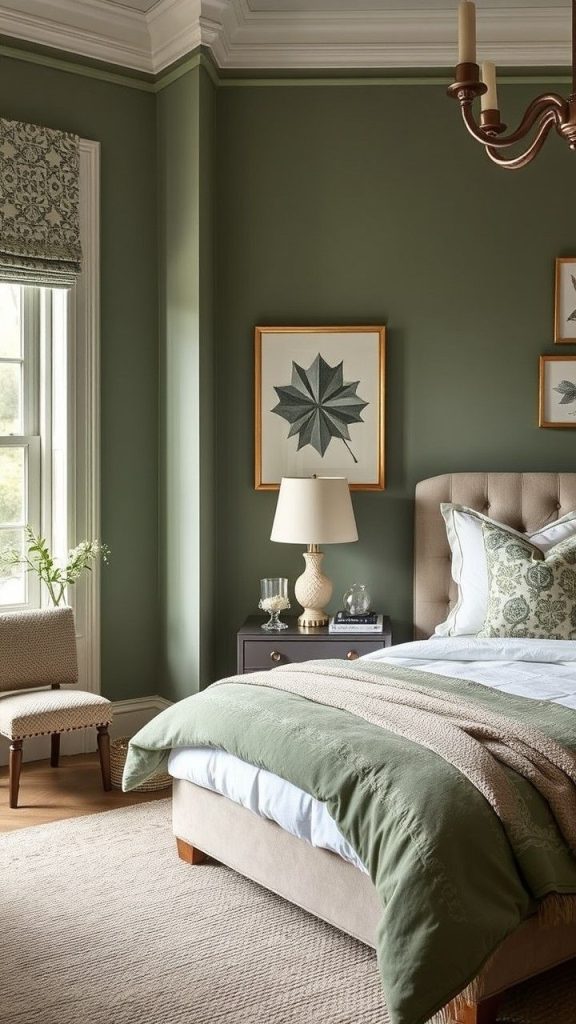
Olive Green and Beige
Olive green and beige create a warm, earthy bedroom with a calm and welcoming atmosphere. Olive green brings a natural touch, while beige softens the look and adds warmth. This combination feels timeless and works well in both modern and classic interiors.
Use olive green on the accent wall and beige on the remaining walls to create a balanced design. Complete the space with wooden furniture, woven textures, neutral bedding, and indoor plants for a cozy, nature-inspired look.
Best for: Farmhouse, rustic, and organic modern bedrooms.
13.
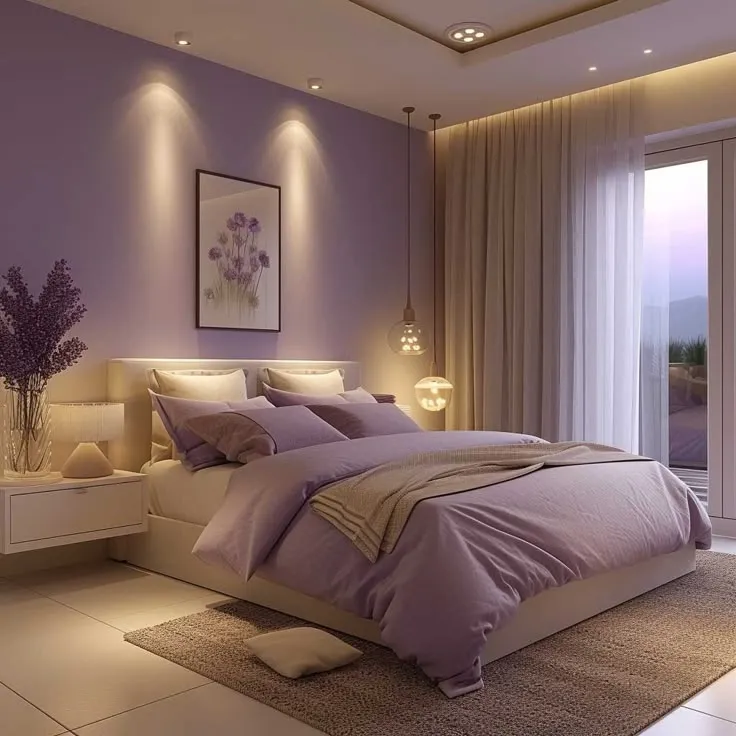
Lavender and White
Lavender and white create a soft, peaceful bedroom that’s perfect for relaxation. Lavender adds a gentle pop of color, while white keeps the space feeling bright, fresh, and airy. This soothing combination helps create a tranquil atmosphere for restful sleep.
Paint the wall behind the bed lavender and keep the remaining walls white for a light, balanced look. Pair these colors with white furniture, soft textiles, and silver or glass décor to enhance the elegant, calming style.
Best for: Minimalist, contemporary, and guest bedrooms.
How to Balance Two Colors on Bedroom Walls
Using two colors on bedroom walls does not mean that both shades have to occupy exactly the same amount of space. In fact, using one dominant color and one supporting color often creates a more polished and comfortable result. The dominant shade can cover most of the walls, while the second color can be introduced strategically to create a focal point.
One of the easiest approaches is to use the stronger color on the wall behind the bed. This naturally creates an accent wall because the bed is already the main focal point of most bedrooms. Keep the remaining walls in a lighter or more neutral shade to prevent the stronger color from overwhelming the room. This approach works particularly well with combinations such as navy and white, sage green and white, charcoal and light gray, or terracotta and beige.
Another option is to divide the colors vertically or horizontally. A horizontal split can place the darker shade on the lower portion of the wall and the lighter shade above it, while vertical color blocking can highlight one section of the room. You can also use the second color around architectural features such as wall panels, niches, alcoves, or built-in storage.
For a more modern look, consider using color blocking instead of a traditional straight accent wall. Curved shapes, arches, rectangular blocks, or painted panels can introduce the second shade without requiring it to cover an entire wall. The key is to repeat at least one of the colors through bedding, curtains, artwork, or accessories so the two wall colors feel connected to the rest of the room.
Best Two Color Combination for Small Bedrooms
Small bedrooms can benefit from carefully chosen two color combinations because the right palette can make the space feel brighter, more open, and more comfortable. Instead of using two equally dark colors, consider pairing a lighter shade with a softer accent. White and sage green, warm white and beige, white and light blue, cream and soft green, and white and lavender can all create an airy appearance.
For a small bedroom, consider keeping the lighter color on most walls and using the deeper shade on the wall behind the bed. This creates a focal point without visually closing in the entire room. If the bedroom receives limited natural light, warm white, cream, or light beige can help maintain a welcoming appearance, while a muted green or blue can provide enough contrast to keep the room from looking plain.
Furniture and accessories also matter in a small bedroom. Avoid introducing too many additional colors through bedding, curtains, rugs, and artwork. Instead, repeat the two wall colors throughout the room in small amounts. For example, a white and sage green bedroom can use white bedding, sage cushions, natural wood furniture, and a few green decorative accents to create a coordinated look without making the room feel crowded.
Best Two Color Combination for Large Bedrooms
A large bedroom gives you more freedom to experiment with deeper and more dramatic two color combinations. Because there is usually more wall space and visual breathing room, richer shades such as navy, forest green, charcoal, deep teal, or terracotta can be used without making the room feel as enclosed as they might in a very small bedroom.
For a sophisticated look, consider combinations such as navy and white, forest green and cream, charcoal and light gray, or terracotta and beige. You can use the darker shade on the main focal wall and the lighter shade on the remaining walls. Another option is to use the deeper shade across multiple walls and introduce the lighter color through wall panels, architectural details, or a contrasting section.
Large bedrooms can sometimes feel visually disconnected if the walls are treated independently from the rest of the room. To create a cohesive design, repeat both wall colors in your furniture and accessories. A navy wall can be complemented with blue-gray bedding and cream curtains, while a forest green and cream palette can work beautifully with natural wood, beige textiles, and warm metallic accents.
Choose Bedroom Wall Colors Based on the Mood You Want
The best two color combination for bedroom walls should also reflect the atmosphere you want to create. Bedrooms are primarily used for rest and relaxation, so many homeowners prefer soft, muted shades. However, a bedroom can also feel sophisticated, romantic, modern, playful, or dramatic depending on the colors you choose and how you distribute them across the walls.
For a Calm and Relaxing Bedroom
Soft combinations such as sage green and white, light blue and white, lavender and cream, or warm beige and white can create a gentle atmosphere. These colors work especially well when combined with simple furniture, soft bedding, natural textures, and limited visual clutter.
For a Cozy Bedroom
Warm combinations such as beige and cream, terracotta and warm white, or olive green and beige can make a bedroom feel comfortable and inviting. Add wood furniture, woven textures, warm lighting, and layered bedding to reinforce the cozy feeling created by the wall colors.
For a Luxury Bedroom
Deeper shades can create a more sophisticated appearance when balanced with a lighter neutral. Navy and white, forest green and cream, charcoal and light gray, or black and ivory can work particularly well. Keep the rest of the room relatively controlled and use materials such as velvet, polished metal, wood, or textured fabrics to add depth.
For a Modern Bedroom
Modern bedrooms often benefit from clean, uncomplicated combinations. Charcoal and light gray, teal and white, black and ivory, or muted blue and warm white can create a contemporary appearance. Simple furniture, uncluttered surfaces, and carefully selected artwork can help the wall colors remain the main visual feature.
Don’t Ignore Color Undertones
Two colors can look completely different when their undertones do not work well together. An undertone is the subtle color that sits beneath the main shade. For example, white can have warm yellow or cream undertones, while another white may have a cooler blue or gray undertone. Beige can also lean toward yellow, pink, gray, or peach depending on its formulation.
Before choosing your two color combination for bedroom walls, compare the actual paint samples next to each other rather than relying only on names such as “white,” “gray,” or “beige.” A warm beige may look natural with a warm white but feel mismatched next to a very cool white. Similarly, a blue with green undertones can create a different appearance from a blue with violet undertones.
Your furniture and flooring can also reveal which undertones will work best. If your bedroom already contains warm wood flooring and furniture, warm wall colors may create a more harmonious appearance. If the room contains cool gray furniture, white, blue, gray, or muted green shades with compatible undertones may be easier to coordinate.
Frequently Asked Questions
Which two color combination is best for bedroom walls?
Some of the best bedroom wall color combinations include white and sage green, navy blue and white, beige and warm white, forest green and cream, and charcoal gray and light gray. The best choice depends on your room size, lighting, and personal style.
What colors make a bedroom look bigger?
Light colors such as white, cream, beige, and soft gray reflect more light, making a bedroom feel brighter and more spacious. Pairing these shades with a soft accent color can also add depth without making the room feel smaller.
Which bedroom colors create a relaxing atmosphere?
Soft blues, sage green, lavender, beige, and warm white are known for creating a calm and peaceful environment. These colors are ideal for promoting relaxation and improving the overall comfort of your bedroom.
Should the accent wall be darker than the other walls?
Yes, in most cases a darker accent wall adds depth and creates a focal point, especially behind the bed. However, the remaining walls should be lighter to maintain balance and keep the room feeling open.
What is the best paint finish for bedroom walls?
An eggshell or satin finish is a popular choice for bedroom walls because it offers a smooth appearance, is easy to clean, and provides a subtle sheen without being overly reflective.
Which Color Combination Is Your Favorite?
We’d love to hear your thoughts! Which of these bedroom color combinations would you choose for your home? Share your favorite in the comments below and let us know how you plan to style your space.
If you found this guide helpful, explore more bedroom decorating ideas on HomeStylingGuide.com for the latest color trends, design inspiration, and practical tips to create a beautiful home.
Conclusion
Choosing the right two colour combination for bedroom walls can completely transform the look and feel of your bedroom. Whether you prefer calming neutrals, bold contrasts, or earthy tones, the perfect color pairing can make your space more stylish, comfortable, and inviting.
The 13 color combinations featured in this guide offer inspiration for every design style, from modern and minimalist to farmhouse and contemporary. Consider your room size, natural lighting, furniture, and personal preferences before making a final decision. Testing paint samples on your walls is also a great way to see how the colors look throughout the day.
With the right combination, you can create a bedroom that reflects your personality while providing a relaxing space you’ll enjoy for years to come.



One thought on “13 Best Two Color Combination for Bedroom Walls (2026)”