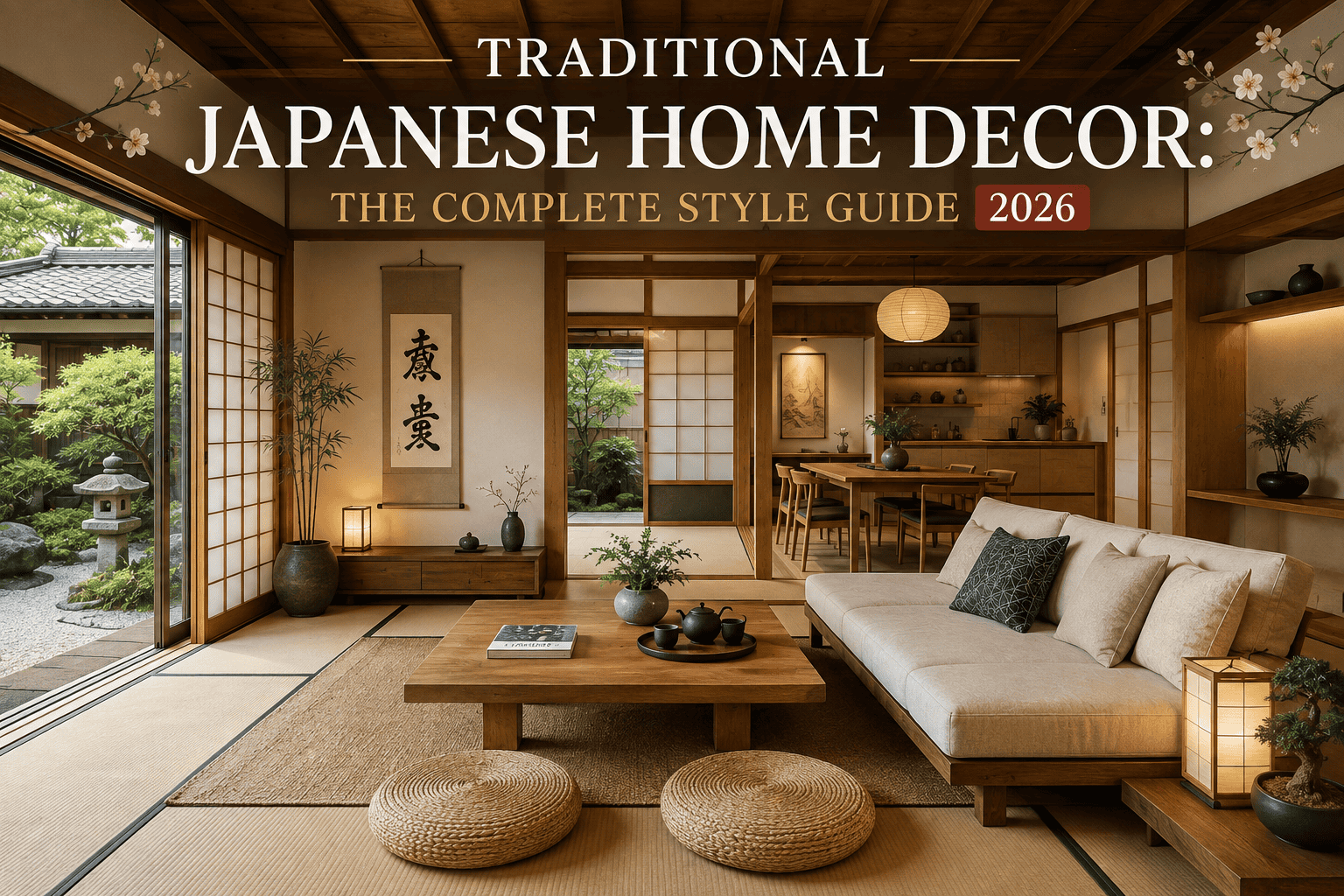
Discover the timeless elements of traditional Japanese home decor, from tatami mats to tokonoma alcoves, and learn how to bring authentic traditional Japanese home decor into your own space.
Traditional Japanese home decor has become one of the most searched-for interior design styles among homeowners who want their space to feel calm, intentional, and connected to nature. Unlike trend-driven styles that come and go, traditional Japanese home decor is rooted in centuries of philosophy, craftsmanship, and a deep respect for simplicity. It isn’t just about how a room looks it’s about how a room feels when you walk into it.
If you’ve ever stepped into a space with clean lines, natural wood, soft diffused light, and almost nothing on the walls, and felt an immediate sense of calm, you’ve likely experienced the influence of traditional Japanese home decor. This guide breaks down everything you need to know: the history, the core elements, the furniture, the color palette, and most importantly how to bring authentic traditional Japanese home decor into a modern American home without a full renovation.
What Is Traditional Japanese Home Decor?
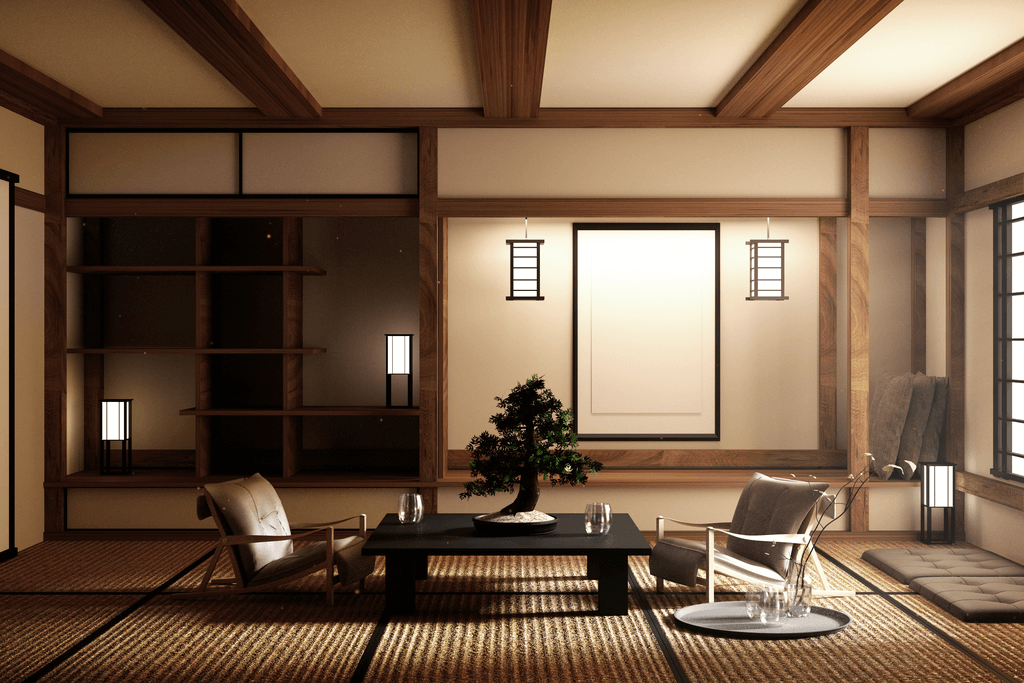
Traditional Japanese home decor is an interior design approach built around minimalism, natural materials, and harmony between people and their surroundings. It favors empty space over clutter, natural textures over synthetic finishes, and a small number of meaningful objects over decorative excess. Every element in a room designed around traditional Japanese home decor principles has a purpose nothing is placed simply to fill space.
This style developed over hundreds of years, shaped heavily by Zen Buddhism, the Japanese tea ceremony, and Shinto beliefs about the natural world. Because of this deep cultural foundation, traditional Japanese home decor is less a set of design rules and more a philosophy that happens to produce beautiful, functional rooms.
The History and Philosophy Behind Traditional Japanese Home Decor
To really understand traditional Japanese home decor, it helps to understand the ideas behind it. This isn’t a style that was invented for aesthetics alone it grew out of religious and cultural practices that valued restraint, mindfulness, and a close relationship with nature.
Zen Buddhism and Simplicity
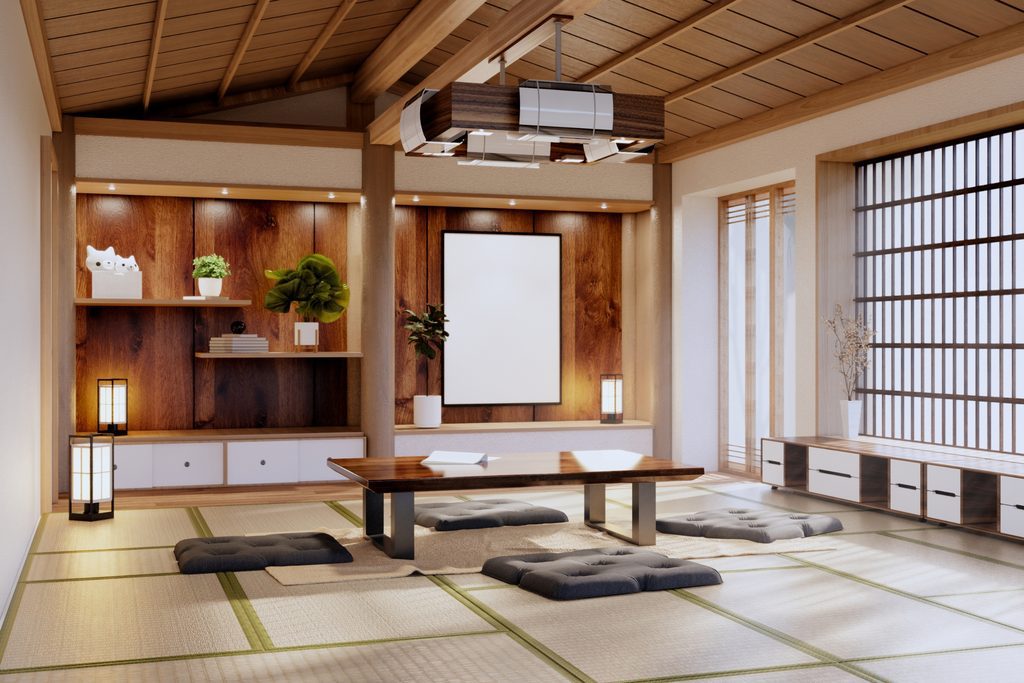
Zen Buddhism played a major role in shaping traditional Japanese home decor. Zen philosophy emphasizes stillness, mindfulness, and the idea that clarity of space supports clarity of mind. This is why rooms designed in this style tend to feel uncluttered and quiet rather than busy or overly decorated. In traditional Japanese home decor, a bare wall isn’t unfinished it’s intentional.
Wabi Sabi: Beauty in Imperfection
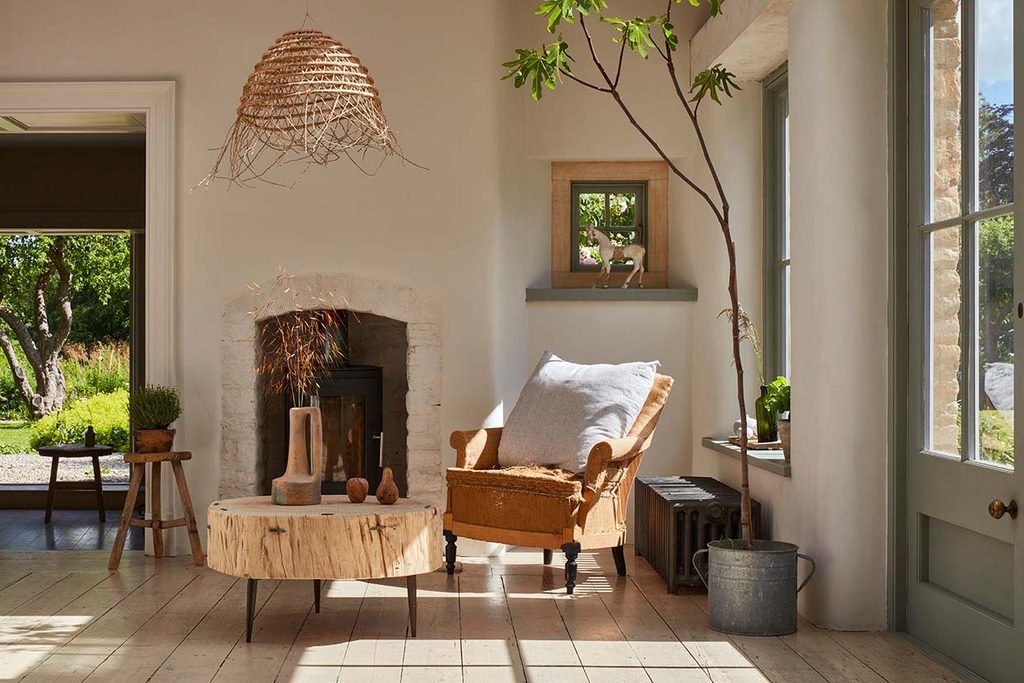
Wabi sabi is one of the most important concepts behind traditional Japanese home decor. It’s the appreciation of imperfection, asymmetry, and the natural aging of materials. A wooden beam that darkens with age, a ceramic bowl with a slightly uneven glaze, or a hand mended piece of pottery are all considered more beautiful because of their imperfections, not despite them. This philosophy is a big part of why traditional Japanese home decor favors natural, aging materials over flawless, mass-produced ones.
Ma: The Power of Negative Space

Ma refers to the meaningful use of empty space, and it’s one of the defining principles of traditional Japanese home decor. Rather than filling every corner of a room, ma treats empty space as an active design element something that gives the eye room to rest and lets individual objects stand out. This is one of the biggest differences between traditional Japanese home decor and many Western design styles, which often aim to fill a room completely.
Core Elements of Traditional Japanese Home Decor
Once you understand the philosophy, the physical elements of traditional Japanese home decor start to make a lot more sense. These are the building blocks you’ll want to recognize and potentially recreate in your own home.
Tatami Mat Flooring

Tatami mats are one of the most recognizable features of home decor. Made from woven rush grass over a rice-straw or fiber core, tatami mats create a soft, naturally textured flooring surface with a distinct earthy scent. Traditional tatami mats measure roughly 90 by 180 centimeters, and Japanese rooms were historically sized and described by how many mats they could hold a “6 mat room,” for example. Tatami flooring is central to traditional Japanese home decor because it supports floor-level living, which is a hallmark of the style.
Shoji Screens and Fusuma Doors
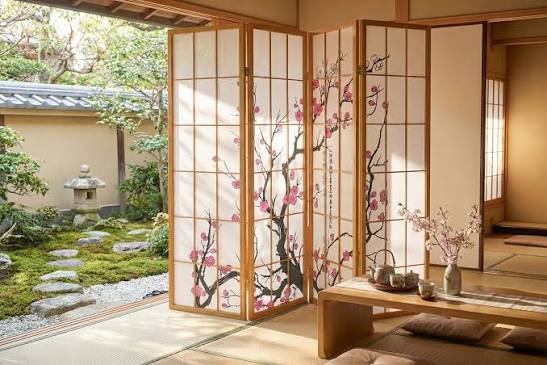
Shoji screens and fusuma doors are essential. Shoji screens are sliding panels made from a wooden frame covered in translucent washi paper, allowing soft, diffused natural light into a room while maintaining privacy. Fusuma doors are similar sliding panels but are covered in opaque cloth or paper, sometimes decorated with hand-painted artwork. Both allow rooms to be reconfigured easily, which reflects the flexible, multi-purpose nature of spaces designed with traditional Japanese home decor in mind.
The Tokonoma Alcove

The tokonoma is a recessed alcove found in many rooms built around traditional home decor. It serves as the visual focal point of the room and typically displays just one meaningful object at a time a hanging scroll, an ikebana flower arrangement, or a small piece of pottery. In traditional Japanese home decor, less truly is more: the tokonoma proves that a single, well-chosen object can carry more visual weight than an entire wall of decorations.
Natural Materials: Wood, Bamboo, Stone, and Washi Paper
Natural materials are non negotiable in decor. Wood, bamboo, stone, and washi paper appear throughout Japanese interiors, not just for their appearance but because they age gracefully and develop character over time, which ties directly back to the wabi sabi philosophy. When choosing materials for a space inspired by traditional Japanese home decor, look for unfinished or lightly finished wood, natural stone accents, and paper-based textiles rather than synthetic alternatives.
Traditional Japanese Furniture for Every Room
Furniture in home decor is low, simple, and multi-functional. Because floor-level living is central to the style, furniture tends to sit close to the ground rather than raised on tall legs.
Chabudai Tables and Floor Seating

A chabudai is a short-legged table, typically standing just 12 to 16 inches off the ground, designed to be used while sitting on the floor or on cushions. Chabudai tables are a staple of traditional Japanese home decor because they reinforce the grounded, low-profile feel that defines the style. Pairing a chabudai with floor cushions instead of chairs is one of the simplest ways to introduce traditional Japanese home decor into a living room or dining space.
Zabuton Cushions

Zabuton are flat floor cushions used for seating in home decor. They’re simple, portable, and easy to store, making them one of the most beginner-friendly ways to add authentic character to a room without any structural changes.
Tansu Chests
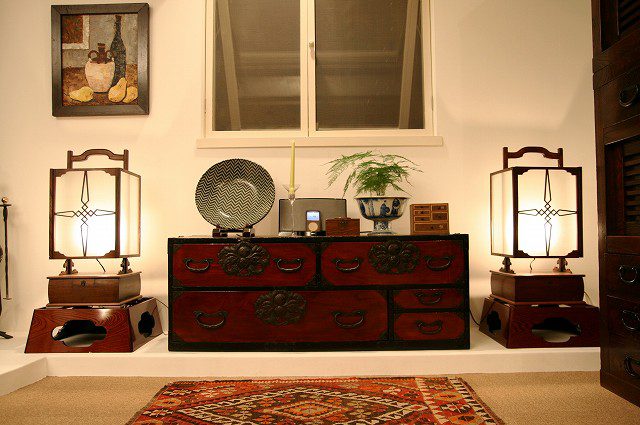
Tansu are traditional wooden storage chests, often featuring multiple drawers and simple hardware. Originally used to store clothing and household items, tansu chests bring warmth and craftsmanship to a room designed around traditional Japanese home decor while remaining highly functional in a modern home.
How to Create a Traditional Japanese Entryway
The entryway is an important part of a Japanese-inspired home because it creates a transition between the outside world and the calm interior. A traditional Japanese entryway, or genkan, is designed to be simple, organized, and functional rather than filled with decorative objects.
Start with a clear distinction between the entrance area and the main living space. A small step or change in flooring can help establish this transition in a modern American home. Keep shoes neatly stored instead of leaving them scattered near the door, and use a simple wooden cabinet or closed storage unit when space allows.
Natural materials work particularly well in this area. Wood, stone, bamboo, and neutral-colored textiles can create a welcoming first impression while staying consistent with traditional Japanese home decor. A small plant, simple ceramic piece, or understated artwork can provide a subtle decorative touch without creating visual clutter.
The most important principle is restraint. Leave enough open space around the entrance so it feels calm and easy to use. A clean, organized entryway can immediately introduce the simplicity and intentionality that define traditional Japanese interiors.
The Traditional Japanese Color Palette
The color palette used in Japanese home decor is deliberately restrained. Expect muted, earthy tones: soft browns, warm beiges, gentle greens, and off whites drawn directly from natural materials like wood, stone, and rice paper. Deep indigo and rich red are sometimes used sparingly as accent colors, often in textiles, ceramics, or artwork, adding a touch of warmth without disrupting the overall calm.
Bright, saturated, or synthetic looking colors are generally avoided in Japanese home decor. If you’re building a palette for your own space, start with the natural tone of your wood and stone materials, then layer in one or two deeper accent colors through pillows, textiles, or a single piece of art.
Traditional Japanese Lighting Ideas for a Calm Home
Lighting plays an important role in creating the quiet atmosphere associated with traditional Japanese home decor. Instead of relying on bright overhead lighting, focus on soft, diffused illumination that creates gentle shadows and highlights the natural textures of wood, paper, and fabric.
Washi paper lamps are one of the easiest ways to introduce this quality of light into a modern home. Their translucent shades soften the brightness and create a warm glow that works particularly well in bedrooms, living rooms, and reading areas.
Natural light should also be used whenever possible. Keep windows relatively open and avoid heavy treatments that block daylight completely. Shoji-inspired screens or lightweight curtains can filter sunlight while maintaining privacy and preserving the feeling of an airy interior.
For evening lighting, combine one main soft light source with smaller lamps placed where they are actually needed. Avoid filling the room with numerous bright fixtures. A restrained lighting scheme supports the Japanese principle of simplicity while making natural materials and carefully chosen objects stand out.
Decorative Accents That Define Traditional Japanese Home Decor
Beyond the big structural elements, several smaller decorative traditions help define the character of traditional Japanese home decor.
Ikebana Flower Arranging

Ikebana is the traditional Japanese art of flower arranging, and it’s a common feature within homes that follow traditional Japanese home decor principles. Unlike Western floral arrangements that emphasize abundance, ikebana focuses on balance, line, and simplicity often using just a few stems arranged with intention.
Kakejiku Hanging Scrolls

A kakejiku is a hanging scroll featuring calligraphy or a painted image, traditionally displayed in the tokonoma alcove and changed seasonally. This rotation of art is a subtle but important part of traditional Japanese home decor, keeping a minimal space feeling fresh throughout the year without adding permanent clutter.
Noren Curtains

Noren are fabric panels hung in doorways, often featuring simple patterns or family crests. In Japanese home decor, noren curtains do double duty they add a soft visual accent while also defining transitions between spaces without the need for a solid door.
Bonsai and Indoor Greenery

Bonsai trees and simple greenery bring a living connection to nature into any room. Because traditional Japanese home decor draws so heavily on natural elements, a single well placed bonsai or a small arrangement of plants can do more for authenticity than several pieces of decorative art.
Kintsugi Ceramics

Kintsugi is the practice of repairing broken pottery with gold dusted lacquer, turning the cracks into a visible, celebrated part of the object’s history. It’s a perfect physical expression of wabi sabi, and displaying kintsugi-style ceramics is a meaningful way to reflect the deeper philosophy behind traditional Japanese home decor.
Traditional vs. Modern Japanese Interior Design
It’s easy to confuse traditional Japanese home decor with modern Japanese or Japandi styles, but there are real differences.
| Feature | Traditional Japanese Home Decor | Modern Japanese / Japandi |
|---|---|---|
| Flooring | Tatami mats | Hardwood, concrete |
| Room dividers | Shoji/fusuma sliding screens | Glass partitions, open plan |
| Furniture height | Very low, floor-level | Mixed heights, some Western furniture |
| Materials | Wood, bamboo, washi paper, stone | Wood, concrete, metal accents |
| Color palette | Earthy, muted, natural | Neutral, sometimes cooler tones |
| Influence | Zen Buddhism, tea ceremony | Scandinavian minimalism blended with Japanese principles |
Understanding this distinction matters if you want your space to feel authentically rooted in traditional Japanese home decor rather than a more generalized minimalist aesthetic.
How to Bring Traditional Japanese Home Decor Into a US Home (No Renovation Needed)
You don’t need to install real shoji screens or import tatami flooring to capture the feeling of traditional Japanese home decor. Here’s how to adapt the style for a typical American home or apartment, without any structural changes.
- Lower your furniture profile. Swap a tall coffee table for a low chabudai-style table, or add floor cushions around your existing seating.
- Declutter intentionally. Remove decorative items until only a few meaningful pieces remain this is the fastest way to bring the spirit of traditional Japanese home decor into any room.
- Use a shoji-inspired room divider. Freestanding paper or wood-paneled screens can mimic the look and light diffusing effect of shoji without needing built-in tracks.
- Create a mini tokonoma. Dedicate one small shelf or corner to a single rotating object a scroll, a flower arrangement, or a piece of pottery instead of a gallery wall.
- Choose natural textiles. Rice paper lamps, cotton or linen cushion covers, and unfinished wood accents go a long way toward capturing the palette of traditional Japanese home decor.
- Add one statement plant. A bonsai tree or a simple potted plant introduces the natural, living element central to the style.
How to Create Traditional Japanese Home Decor on a Budget
You do not need expensive antiques or a complete renovation to introduce traditional Japanese home decor into your home. The style is actually well suited to budget decorating because its foundation is simplicity, natural materials, and using fewer but more meaningful objects.
Start by removing unnecessary decorations rather than buying more. Creating open space costs nothing and can immediately make a room feel calmer and more intentional. Next, replace a few highly visible items with natural alternatives, such as a simple wooden tray, linen cushion covers, woven baskets, or a paper-shaded lamp.
Instead of purchasing an authentic antique tansu chest, look for a simple wooden storage piece with clean lines. A modern low table can also provide the visual effect of a chabudai without requiring a traditional Japanese piece. The same approach works with artwork: one carefully selected botanical print, calligraphy-inspired piece, or simple ceramic object can have more impact than several inexpensive decorations.
Focus your budget on materials and pieces that you interact with regularly. Good-quality natural bedding, a comfortable floor cushion, or a warm lamp can improve both the appearance and functionality of the room. The goal is to capture the principles behind traditional Japanese home decor rather than trying to reproduce an entire historic Japanese interior.
Room by Room Traditional Japanese Home Decor Ideas
Living Room
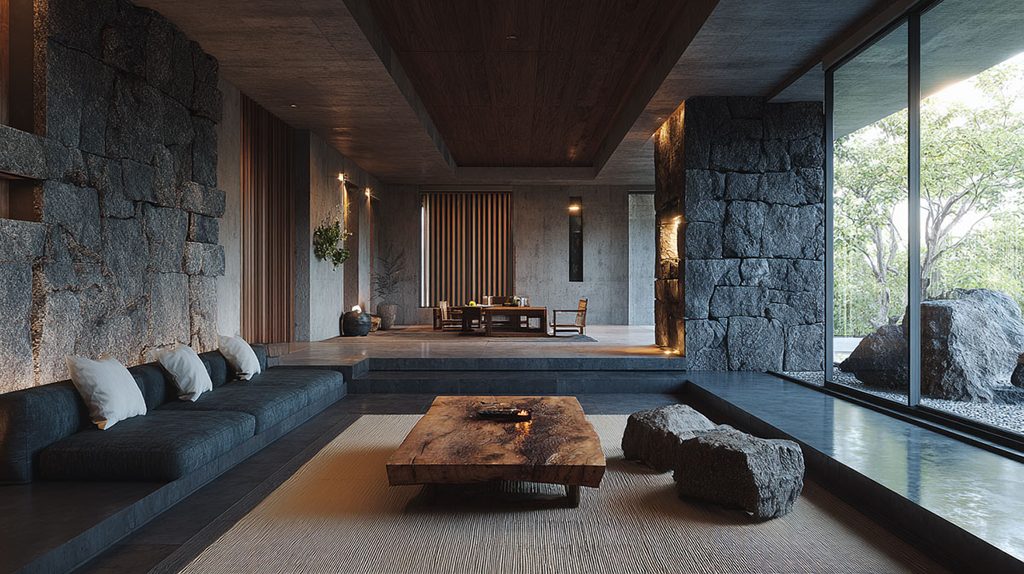
Anchor the room with a low table and floor cushions, keep wall décor to one or two pieces, and add a small bonsai or plant near a window. This is often the easiest room to introduce traditional Japanese home decor into, since seating arrangements can be swapped without any permanent changes.
Bedroom

A traditional Japanese home decor bedroom uses a low platform bed or futon, a simple wooden nightstand, and soft, diffused lighting through a paper-shaded lamp. Keep the palette muted and avoid heavy patterned bedding in favor of natural linen or cotton tones.
Bathroom

Natural stone tiles, wooden bath accessories, and a simple bamboo mat can bring a sense of calm inspired by traditional Japanese home decor into even a small bathroom. Keep countertops clear and store toiletries out of sight to preserve the minimal look.
Where to Shop for Traditional Japanese Home Decor
Look for specialty retailers that focus specifically on Japanese craftsmanship, as well as antique shops and online marketplaces that carry authentic tansu chests, washi paper lamps, and handmade ceramics. When shopping for traditional Japanese home decor pieces, prioritize natural materials and simple construction over mass-produced items that only mimic the aesthetic.
How to Keep Traditional Japanese Decor Authentic in a Modern Home
Bringing traditional Japanese home decor into a modern American house works best when you focus on the principles behind the style rather than simply collecting Japanese-looking accessories. Authenticity comes from restraint, natural materials, purposeful placement, and respect for empty space.
Avoid filling a room with multiple objects that are traditionally associated with Japan simply because they look decorative. A single carefully chosen ceramic piece, plant, hanging artwork, or wooden object can communicate the style more effectively than a collection of unrelated accessories.
Furniture should also remain practical. You can combine modern pieces with Japanese-inspired elements as long as the overall room maintains a low-clutter appearance and uses natural textures. For example, a contemporary sofa can work with a low wooden table, woven textiles, and simple greenery.
Finally, remember that traditional Japanese design is more than an aesthetic trend. Concepts such as wabi-sabi and ma encourage appreciation for natural aging, imperfection, simplicity, and meaningful empty space. Keeping these principles in mind will help your home feel thoughtfully inspired rather than themed.
Frequently Asked Questions
What is traditional Japanese home decor?
Traditional Japanese home decor is a design style built on minimalism, natural materials, and philosophies like wabi-sabi and ma, aimed at creating calm, uncluttered living spaces.
What is a tokonoma?
A tokonoma is a recessed alcove used to display a single seasonal object, such as a hanging scroll or flower arrangement, and it’s considered the visual focal point of a room in traditional Japanese home decor.
What is wabi sabi in interior design?
Wabi sabi is the appreciation of imperfection and natural aging, and it’s one of the core philosophies behind traditional Japanese home decor.
Is Japandi the same as traditional Japanese home decor?
No. Japandi blends Scandinavian minimalism with Japanese influences, while traditional Japanese home decor is rooted specifically in historical Japanese materials, furniture, and philosophy.
Can I achieve traditional Japanese home decor without a renovation?
Yes. Low furniture, decluttering, natural textiles, and a single curated focal point can bring the feeling of traditional Japanese home decor into any home without structural changes.
Conclusion
Traditional Japanese home decor offers something increasingly rare: a design philosophy that values what you leave out as much as what you put in. From tatami mats and tokonoma alcoves to the deeper ideas of wabi-sabi and ma, every element works together to create spaces that feel calm, intentional, and timeless. Whether you go all in with low furniture and natural materials or simply borrow a few key principles, traditional Japanese home decor can transform the feeling of any room in your home.
For more ways to bring intentional, calming design into your space, check out our bedroom decor ideas and other home styling guides on Home Styling Guide.
For a deeper look at the cultural roots of this style, Web Japan’s guide to Japanese interior design offers excellent historical context.




I like these type of low hight furniture and material of the old Japaneian