Discover 11 formal living room ideas for 2026, with elegant furniture, layouts, colors, lighting, wall decor, and styling tips for a sophisticated space.
A formal living room can make your home feel more polished, welcoming, and sophisticated without looking overly traditional or uncomfortable. The best formal living room ideas balance elegance with everyday livability, creating a space where you can welcome guests, enjoy conversations, read, relax, or simply appreciate a beautifully designed room.
In 2026, formal living rooms are moving away from the idea that a sophisticated room must feel stiff or untouchable. Instead, today’s most appealing interiors combine classic architecture, comfortable seating, warm materials, refined colors, layered lighting, and carefully selected accessories. The result is a room that looks elevated while still feeling inviting.
Whether you have a large dedicated sitting room, a small front living room, an open-concept area, or an unused room that needs a new purpose, these formal living room ideas can help you create a sophisticated space that feels intentional.
This guide covers 11 elegant formal living room ideas, along with furniture layouts, color palettes, lighting, wall decor, rugs, focal points, small-room solutions, large-room strategies, common mistakes, and budget-friendly ways to create a timeless formal look.
What Is a Formal Living Room?
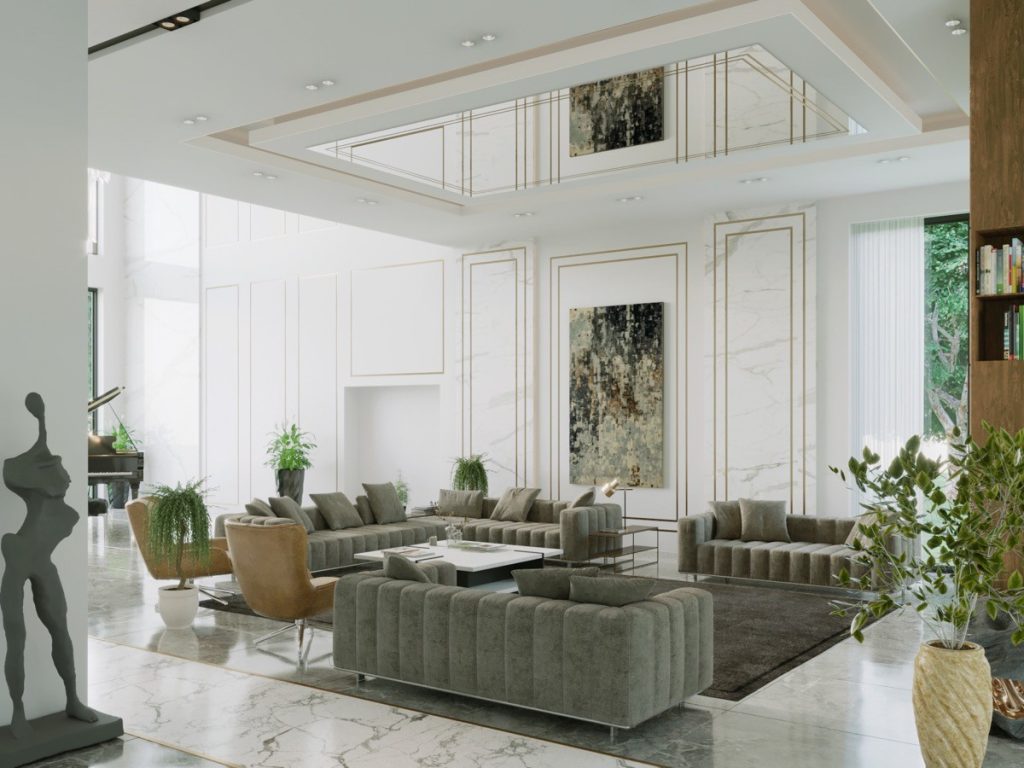
A formal living room is a dedicated area designed primarily for entertaining guests, conversation, relaxing, and enjoying a more polished atmosphere. Unlike a casual family room that may revolve around television, gaming, children, or everyday lounging, a formal living room usually places greater emphasis on furniture arrangement, aesthetics, symmetry, architecture, and decorative details.
That does not mean a formal living room needs to be uncomfortable. In fact, some of the best formal living room ideas combine sophisticated furniture with comfortable upholstery, soft textiles, practical lighting, and inviting seating arrangements. The goal is to create a room that looks refined without making people afraid to sit down.
A formal living room can be traditional, transitional, modern, contemporary, European-inspired, minimalist, glamorous, or eclectic. What makes it formal is not one specific decorating style. Instead, it is the overall feeling of intentionality, refinement, and presentation.
Formal Living Room vs. Family Room
One of the easiest ways to understand formal living room ideas is to compare them with family-room design.
A family room is normally designed for frequent everyday use. It may include a large sectional sofa, television, entertainment center, oversized coffee table, storage baskets, blankets, toys, and other practical elements. Comfort and functionality are usually the highest priorities.
A formal living room generally has a more composed arrangement. Instead of pointing every seat toward a television, furniture can be positioned toward one another to encourage conversation. Sofas may have more structured silhouettes, accent chairs may be carefully paired, and decorative lighting may play a larger role.
This distinction does not mean you cannot have a TV in a formal room. However, many homeowners choose to keep the television hidden, mounted discreetly, or completely outside the main visual focus so the room maintains a more elegant atmosphere.
Formal Living Room vs. Great Room
A great room is typically a larger multifunctional area that combines living, dining, kitchen, and entertaining functions within one connected space. A formal living room is generally more dedicated to a particular purpose.
This difference matters when planning furniture. In a great room, furniture often needs to define separate zones within a larger open floor plan. In a formal living room, the furniture arrangement can be more focused because the room itself has a clearer identity.
Many current formal-room designs also work successfully in open-concept homes. The key is to establish a visual boundary through furniture placement, rugs, lighting, or architectural details rather than relying on walls alone. Houzz’s current formal living room gallery shows how formal spaces can work across modern, traditional, transitional, open-concept, and compact layouts.
11 Formal Living Room Ideas for an Elegant Home
1. Create a Symmetrical Formal Living Room
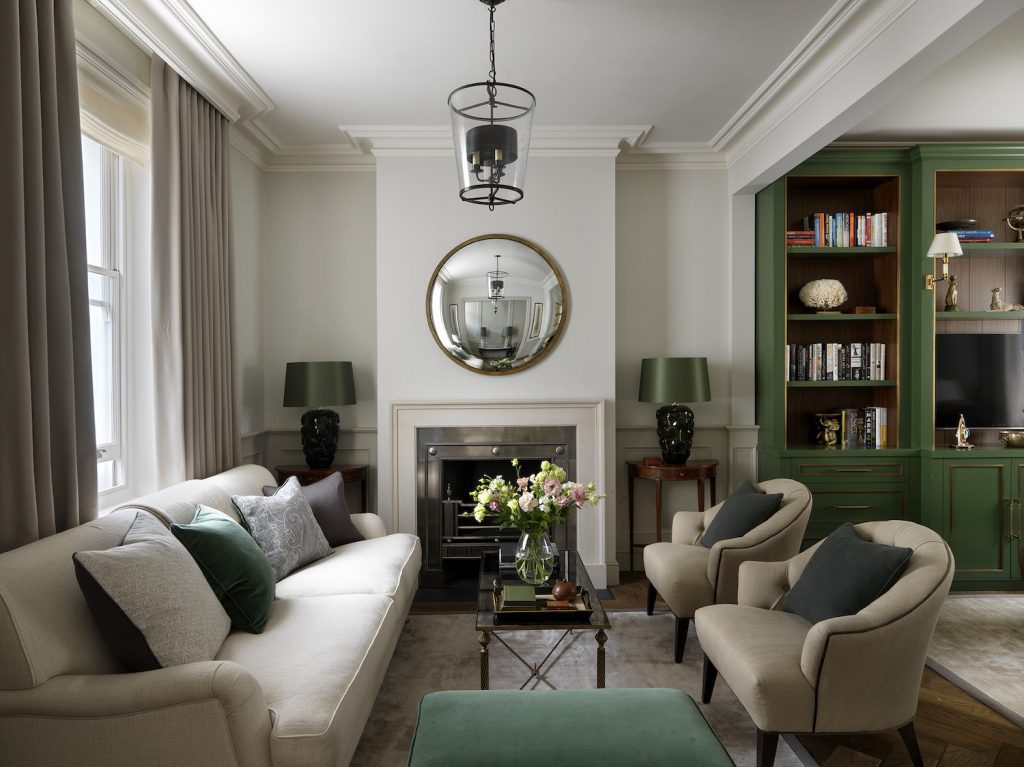
Symmetry is one of the most reliable techniques for creating a polished formal interior. When furniture, lighting, artwork, or accessories are balanced on both sides of a central focal point, the room immediately feels more organized.
For example, you could position a sofa directly opposite a fireplace and place matching accent chairs on either side. Two table lamps can sit on identical side tables, or two decorative objects can balance each side of a console. This does not mean every object has to be identical, but the visual weight should feel balanced.
Among the many formal living room ideas, symmetry works particularly well because it creates an intentional appearance without requiring expensive furniture. Even a relatively simple room can feel sophisticated when its furniture arrangement has clear visual structure.
Symmetry is especially effective in traditional and transitional interiors, but it can also be adapted for modern spaces. In a contemporary room, use clean-lined furniture and minimal accessories while maintaining a balanced composition.
2. Make the Fireplace the Main Focal Point
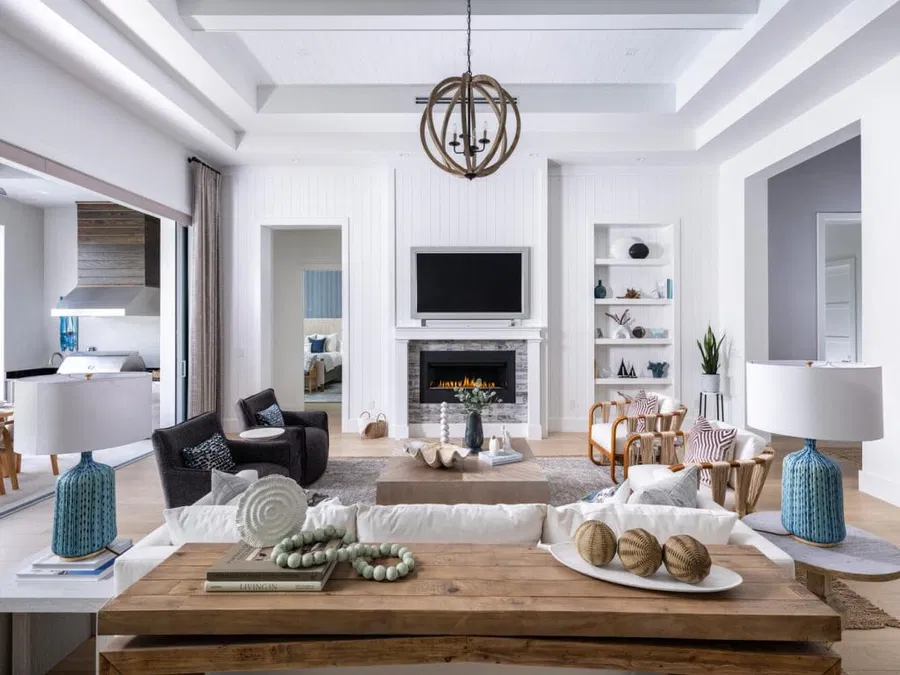
If your living room has a fireplace, use it as an opportunity rather than treating it as just another architectural feature. A fireplace can become the visual heart of your formal living room.
One of the strongest formal living room ideas is to arrange seating so that the fireplace naturally attracts attention. A sofa can face the fireplace while two accent chairs sit perpendicular to it, creating a conversation area around the architectural focal point.
The mantel can be styled with artwork, a large mirror, sculptural objects, or a restrained arrangement of accessories. Avoid covering every inch of the mantel. Leaving some negative space allows the fireplace and decorative objects to stand out.
If your fireplace is plain, you can increase its visual importance with surrounding wall molding, stone, tile, paneling, or a carefully chosen paint color. The goal is to make the architecture feel intentional.
3. Choose an Elegant Sofa as the Foundation

The sofa is usually the largest piece of furniture in the room, so it has an enormous influence on the appearance of your formal space. Choosing the right sofa is therefore one of the most important formal living room ideas to consider.
For a formal room, structured sofas with clean proportions can create a sophisticated appearance. Rolled arms, tailored upholstery, tufting, exposed legs, or gently curved silhouettes can all work depending on the style of the room.
However, avoid choosing a sofa simply because it looks formal. Comfort still matters. A formal living room should invite guests to sit, talk, and stay for a while.
Velvet, linen-look upholstery, performance fabrics, textured weaves, and high-quality neutral upholstery can all create an elevated appearance. If you frequently entertain guests or have pets, consider performance-oriented fabrics that provide a better combination of appearance and durability.
The best formal living room ideas do not force you to choose between beauty and comfort. They combine both.
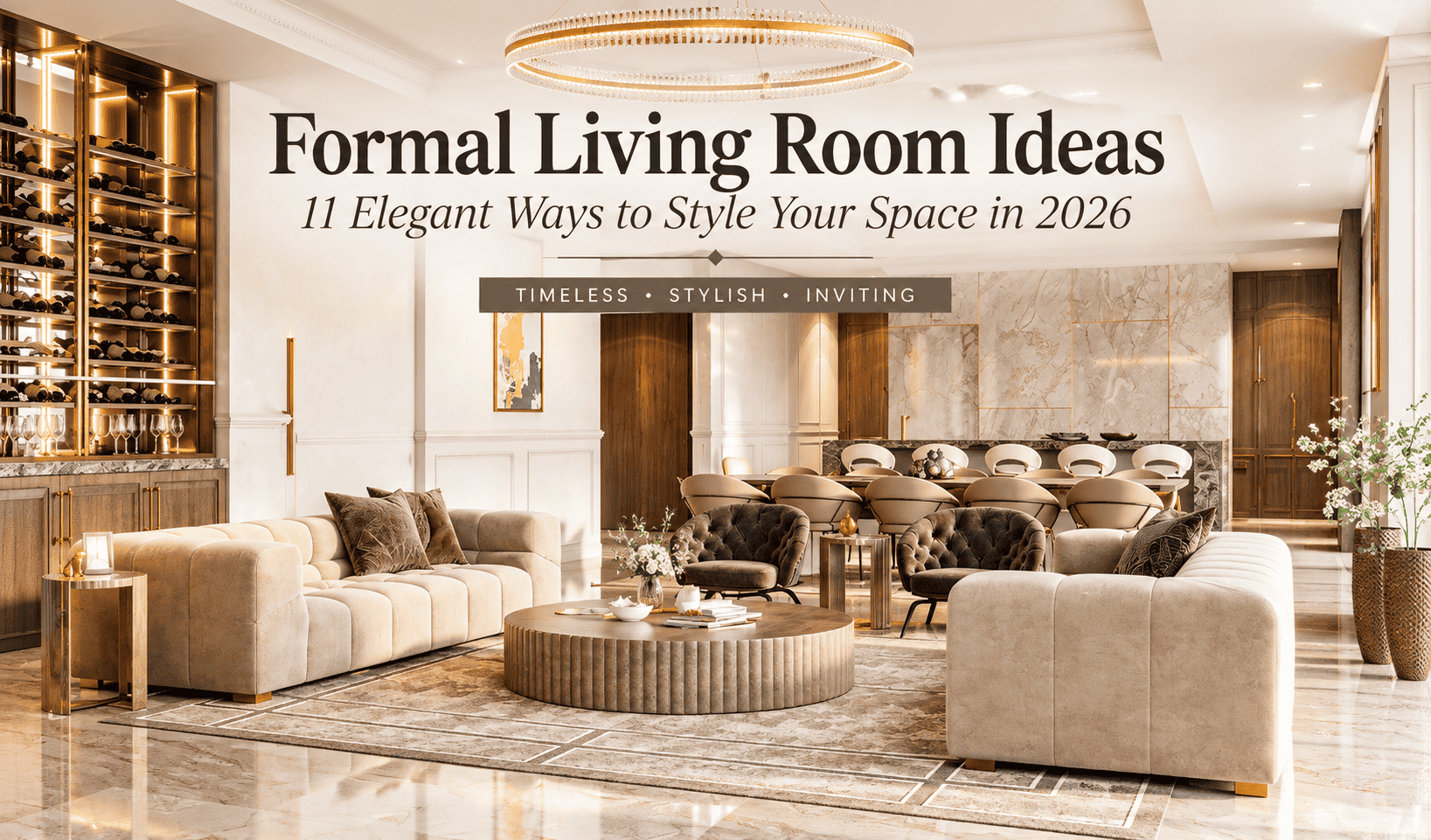
4. Use Two Sofas for a Sophisticated Conversation Area
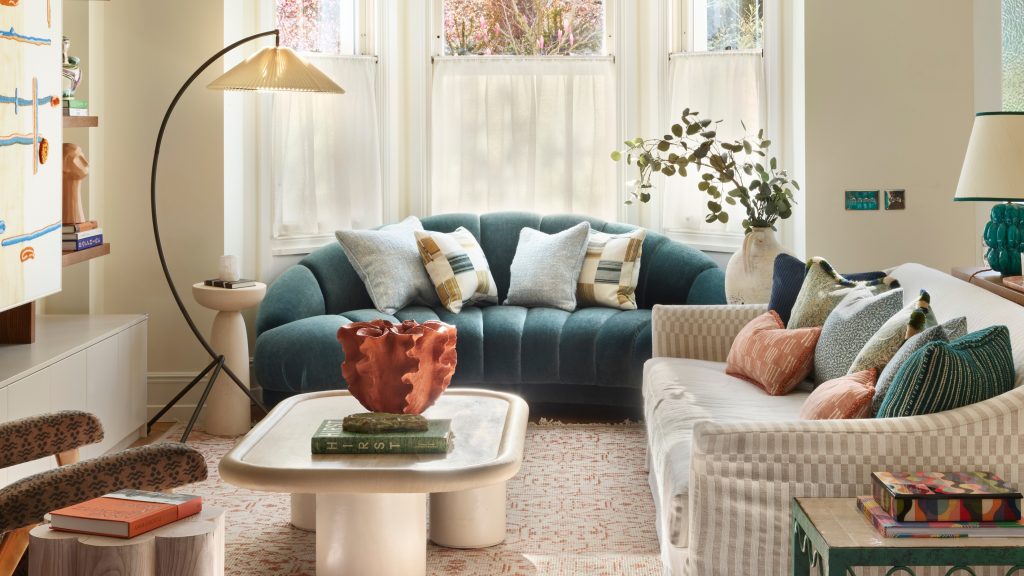
If your room is large enough, two sofas facing each other can create an exceptionally elegant arrangement. This layout immediately communicates that the room is designed for conversation rather than television viewing.
Two sofas can be positioned opposite each other with a coffee table between them. Accent chairs can be placed at either end when additional seating is required.
This is one of the most effective formal living room ideas for homeowners who regularly entertain. Guests can easily see and speak with one another without turning their bodies toward a television or distant focal point.
The sofas do not necessarily need to be identical. Matching sofas create a traditional symmetrical appearance, while two coordinating sofas can create a slightly more contemporary and collected look.
Keep the coffee table appropriately scaled so guests can comfortably reach it from the surrounding seating. The entire arrangement should feel connected rather than scattered around the room.
5. Combine Traditional Details With Modern Furniture
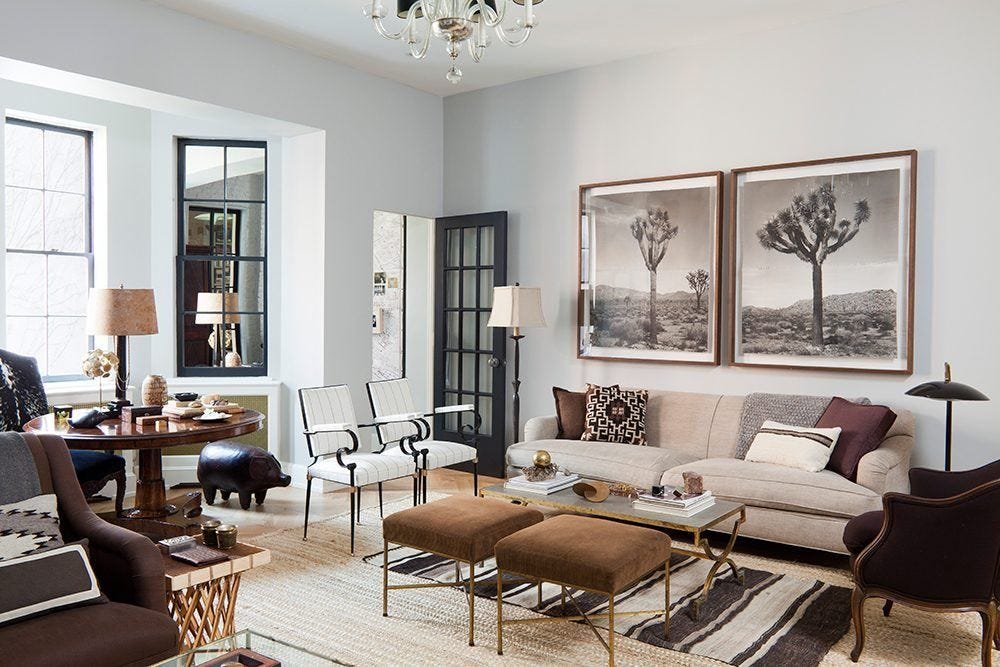
One of the strongest directions for 2026 is combining timeless architectural details with more contemporary furniture. This prevents the formal living room from feeling like a historical reproduction.
Imagine crown molding, paneled walls, a classic fireplace, or traditional windows paired with a streamlined sofa and sculptural coffee table. The contrast creates visual interest.
This approach is particularly useful if your home already has traditional architecture but your personal taste is more modern. Instead of fighting the architecture, allow it to become part of the design.
Modern furniture can also make traditional spaces feel younger and more relaxed. This balance is one reason mixed-era formal living room ideas remain so appealing.
The key is to repeat materials, colors, or shapes so that the old and new elements feel connected rather than randomly mixed.
6. Use a Refined Neutral Color Palette
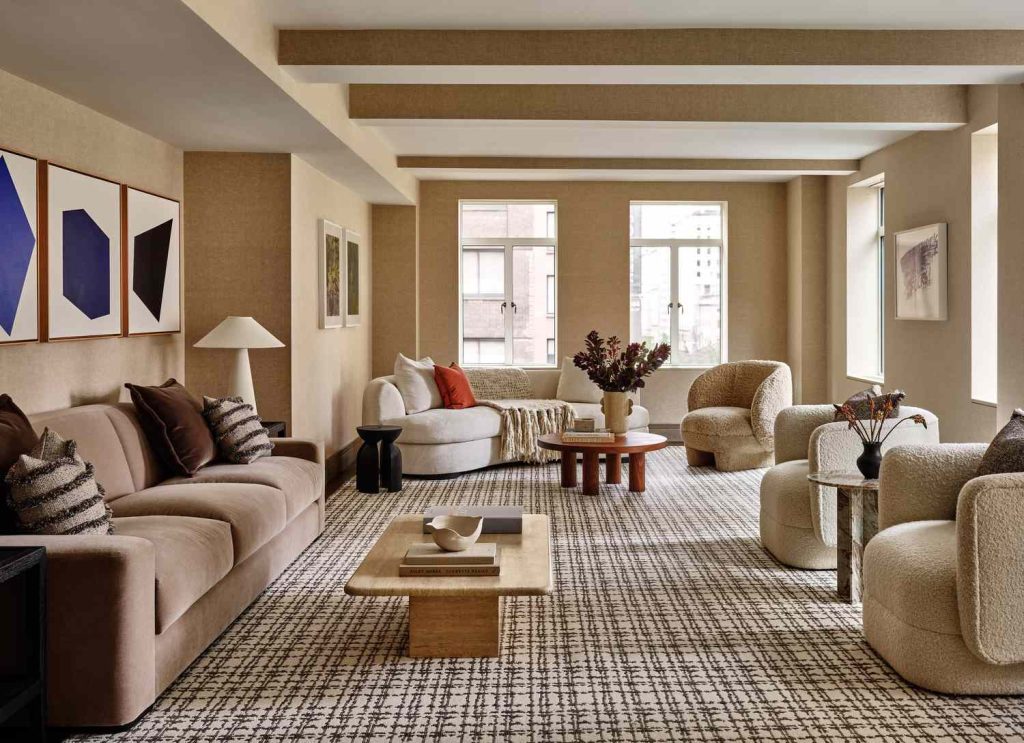
Neutral colors are a classic choice for formal interiors because they create a calm background for furniture, artwork, lighting, and architectural details.
Instead of relying exclusively on cool gray, consider warmer neutrals such as cream, ivory, taupe, beige, greige, warm white, soft brown, and muted stone. These shades can make the room feel more welcoming while maintaining an elegant appearance.
A neutral palette does not have to mean boring. Texture becomes especially important when color is restrained. Combine linen, velvet, wool, wood, stone, metal, glass, and woven materials to create depth.
Many contemporary formal living room ideas use neutral colors as the foundation and then introduce deeper accents through navy, forest green, burgundy, chocolate brown, charcoal, or muted blue.
This allows the room to feel sophisticated without looking overly decorated.
7. Add Statement Lighting for a More Elegant Look

Lighting can completely change how a formal living room looks in the evening. A beautiful chandelier or pendant fixture can function as both illumination and artwork.
One of the most effective formal living room ideas is to layer multiple sources of light rather than depending entirely on one ceiling fixture. Combine overhead lighting with table lamps, floor lamps, wall sconces, or accent lighting.
A chandelier can establish the central mood, while table lamps provide a warmer and more intimate layer. Floor lamps can help illuminate darker corners and make the room feel more balanced.
Lighting fixtures should also relate to the scale of the room. A tiny fixture can disappear in a large space, while an oversized fixture can overwhelm a compact room.
Current interior-design guidance continues to emphasize layered lighting rather than relying on a single ceiling light, making this particularly relevant for a 2026 formal room.
8. Ground the Room With a Properly Sized Area Rug
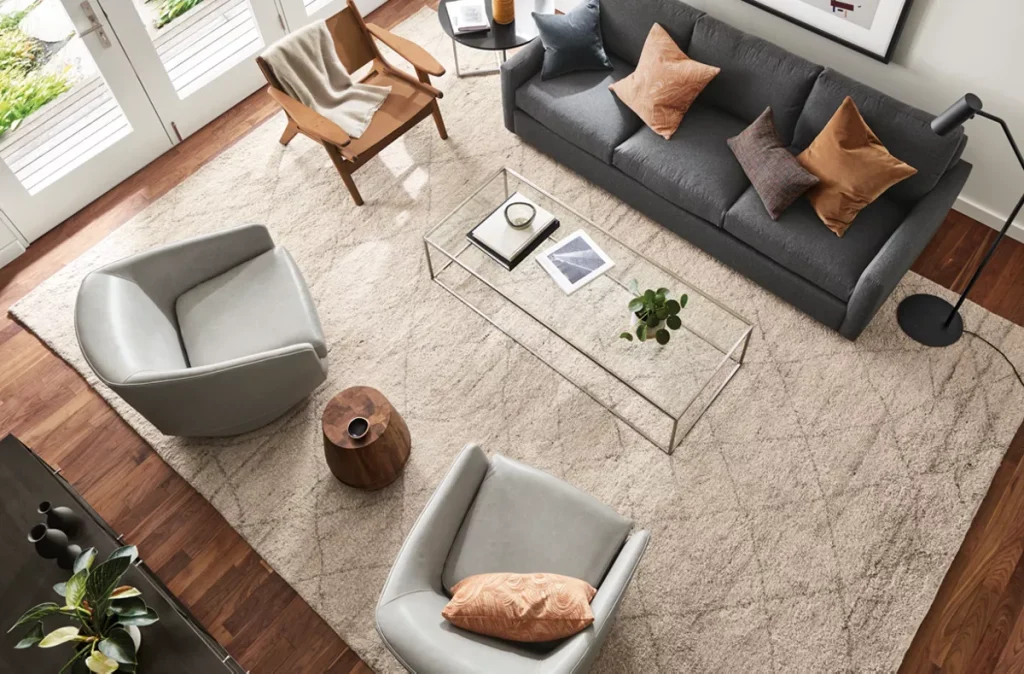
An area rug can visually connect the furniture and make the room feel finished. Without a rug, individual furniture pieces may look like separate objects floating around the room.
For formal living room ideas, choose a rug that is large enough to visually anchor the primary seating arrangement. The rug should relate to the sofa, chairs, coffee table, and overall room dimensions.
Traditional Persian-inspired patterns, subtle geometric designs, muted floral patterns, solid textures, and modern abstract designs can all work. The correct choice depends on your decorating style.
If your furniture is highly detailed, a quieter rug may create better balance. If the furniture is simple, a patterned rug can introduce personality.
Do not choose a rug based only on its appearance in a store. Consider how it will interact with the room’s existing colors, furniture scale, flooring, and natural light.
9. Decorate the Walls With Artwork, Mirrors, or Paneling
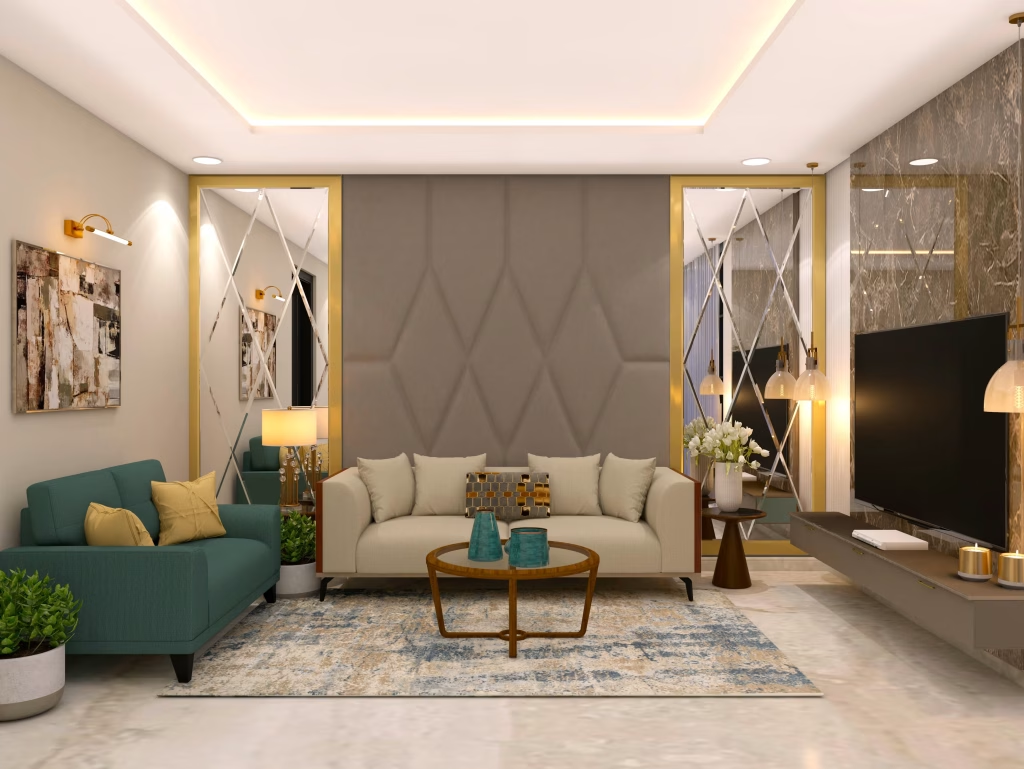
Blank walls can make even beautiful furniture feel unfinished. Wall treatments provide an opportunity to introduce architecture, personality, and visual depth.
Large artwork can create a sophisticated focal point above a sofa. A decorative mirror can reflect light and make the room feel more open. Wall paneling can provide architectural character, while a gallery wall can create a more personal atmosphere.
Mirror placement is particularly useful in formal interiors. A large framed mirror above a fireplace or console can create a strong focal point while reflecting light and surrounding decor.
For more detailed mirror styling, you can internally connect this article to your existing guide on Mirror Wall Decor for Living Room, which covers mirror shapes, placement, sizing, gallery arrangements, and styling techniques.
You can also use artwork to introduce color. A neutral formal room can become much more interesting with one large painting containing deep blue, green, burgundy, or warm earth tones.
10. Create a Cozy Formal Living Room With Layers
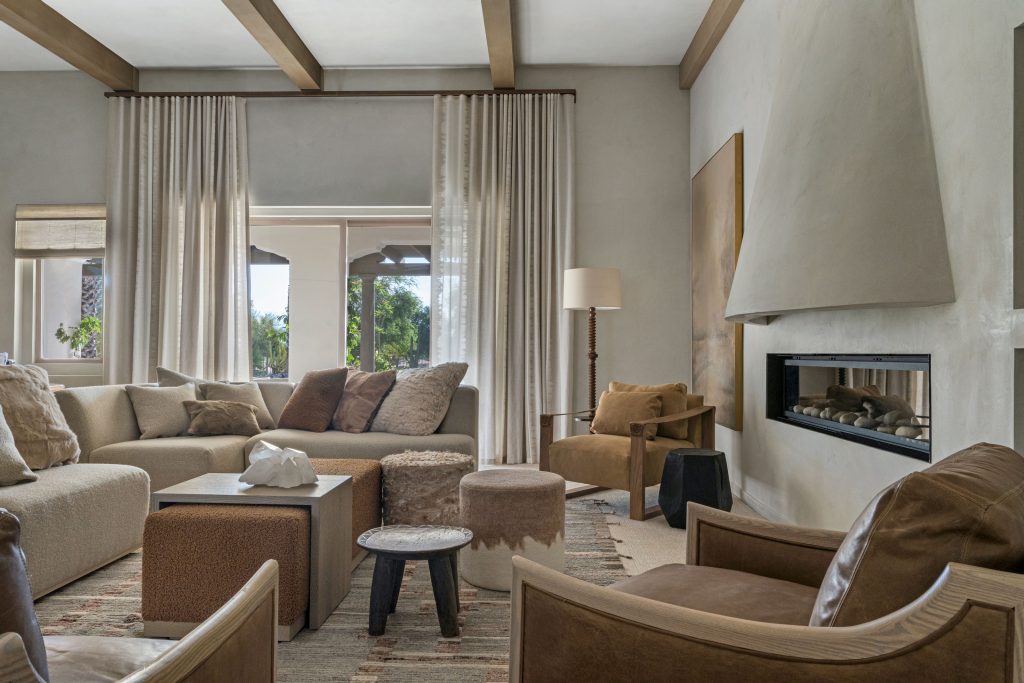
A formal room should look elegant, but it should not feel like nobody is allowed to use it. One of the most important modern formal living room ideas is to add layers that soften the formality.
Begin with comfortable upholstery. Then introduce pillows, throws, curtains, rugs, artwork, books, greenery, and carefully chosen decorative accessories.
The trick is restraint. Adding more objects does not automatically make a room cozier. Instead, choose materials and accessories that create warmth without producing visual clutter.
Natural wood, textured fabrics, aged metals, stone, woven materials, and soft lighting can all help create a more welcoming atmosphere.
Current 2026 design coverage is also moving toward interiors with more character, collected objects, antiques, natural materials, and layered textures rather than rooms that look overly coordinated or sterile.
11. Design a Modern Formal Living Room Without a TV
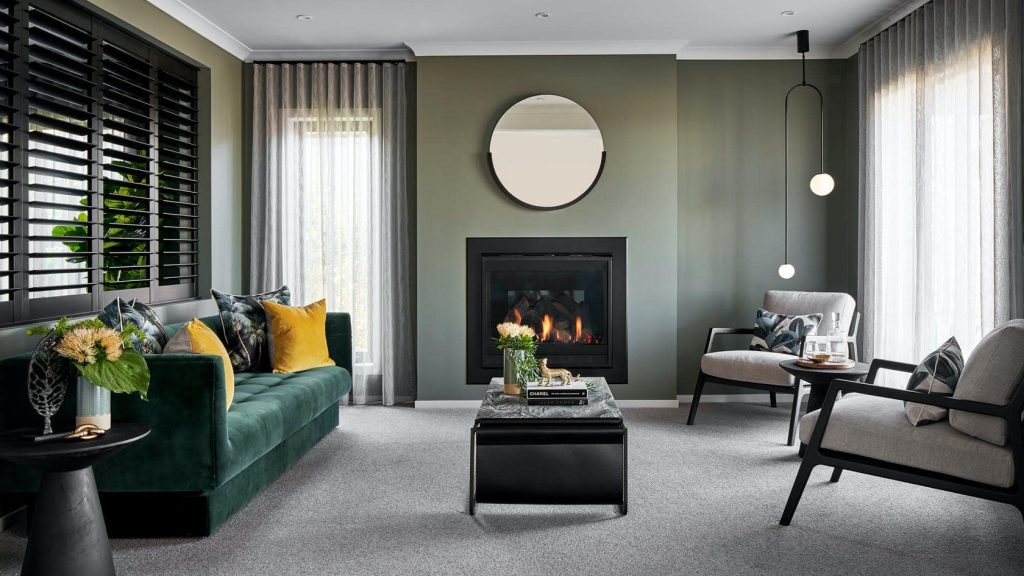
A formal living room does not need a television. In fact, removing the TV can completely change the purpose and appearance of the space.
Without a television dominating the wall, you can focus on artwork, a fireplace, architectural paneling, bookshelves, a large mirror, or a statement piece of furniture.
This is one of the most useful formal living room ideas for homeowners who already have a family room or media room elsewhere in the house.
Create a conversation-focused arrangement with a sofa, two chairs, a coffee table, and perhaps a side table or console. Add reading lamps or a floor lamp if you want the room to support quiet activities.
The result can feel like a private retreat within the home—a place for reading, conversation, coffee, entertaining, or enjoying a quiet evening.
How to Arrange Furniture in a Formal Living Room
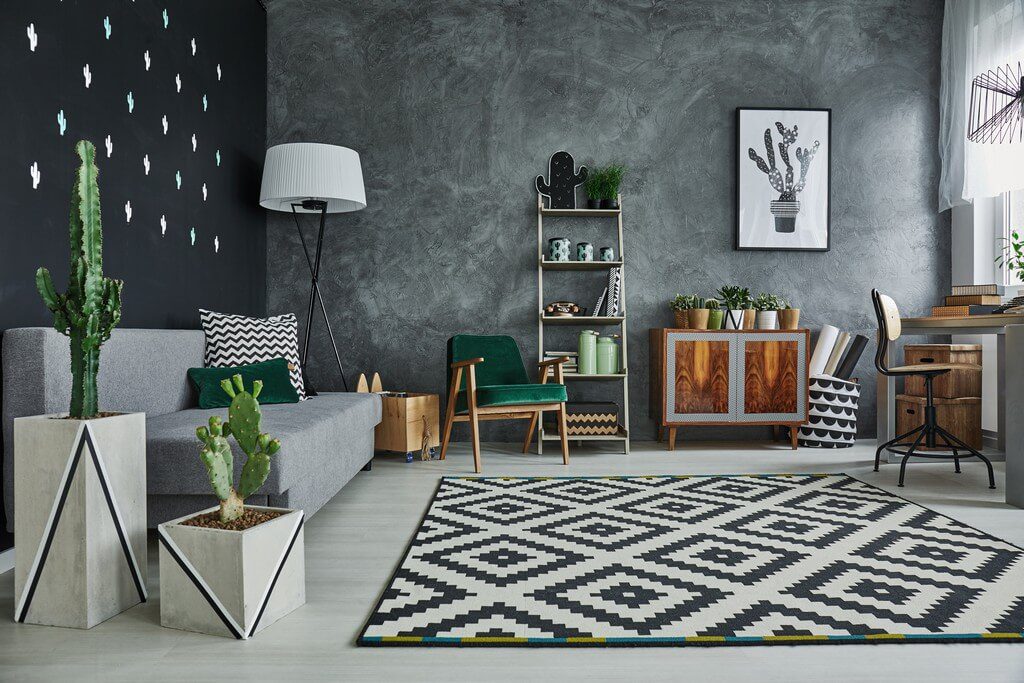
Furniture arrangement should come before decorative accessories. Before purchasing anything, determine how you want people to move through and use the room.
One of the strongest formal living room ideas is to create a clear conversation zone. Instead of pushing every piece against the walls, bring furniture into a connected grouping when the room allows it.
A sofa can act as the main anchor, with accent chairs positioned opposite or perpendicular to it. A coffee table can occupy the center, while side tables provide convenient surfaces near seating.
The arrangement should leave comfortable walking paths around the furniture. Avoid creating narrow passages that force people to squeeze between chairs or tables.
Before moving heavy furniture, use painter’s tape on the floor to outline the approximate footprint. This lets you test different arrangements before committing.
Create a Conversation Focused Layout
A formal room works particularly well when seating encourages face-to-face interaction.
Two chairs positioned across from a sofa can create a natural conversation triangle. In a larger room, four chairs can surround a central table, creating a separate sitting zone.
For an open-concept home, use a rug to define the formal seating area. The rug helps visually separate the sitting zone from nearby dining or kitchen areas.
The best formal living room ideas are not necessarily the most complicated. A simple, well-proportioned arrangement can look much more luxurious than a room filled with expensive furniture that is poorly positioned.
Use the Room’s Architecture
Pay attention to windows, doors, fireplaces, built-ins, ceiling beams, arches, niches, and other architectural features before choosing furniture.
If the room has a beautiful fireplace, do not hide it behind furniture. If large windows provide a beautiful outdoor view, avoid blocking them with tall cabinets.
Tall curtains can emphasize ceiling height, while architectural molding can reinforce a traditional or transitional aesthetic.
Even awkward features can become advantages when incorporated into the design. A bay window might become a reading nook, while an unused niche could hold a small console or decorative shelving.
Formal Living Room Ideas for Small Spaces
Small rooms can still look formal and luxurious. The key is choosing furniture according to the room’s actual scale.
One of the most practical formal living room ideas for a small room is to use fewer but better-proportioned pieces. A compact sofa and two appropriately sized chairs can create a complete seating arrangement without overcrowding the room.
Choose furniture with visible legs, lighter visual profiles, and carefully considered proportions. This can help the floor remain visually open.
Mirrors can also create the impression of additional depth. A well-positioned mirror can reflect natural light or an attractive architectural feature.
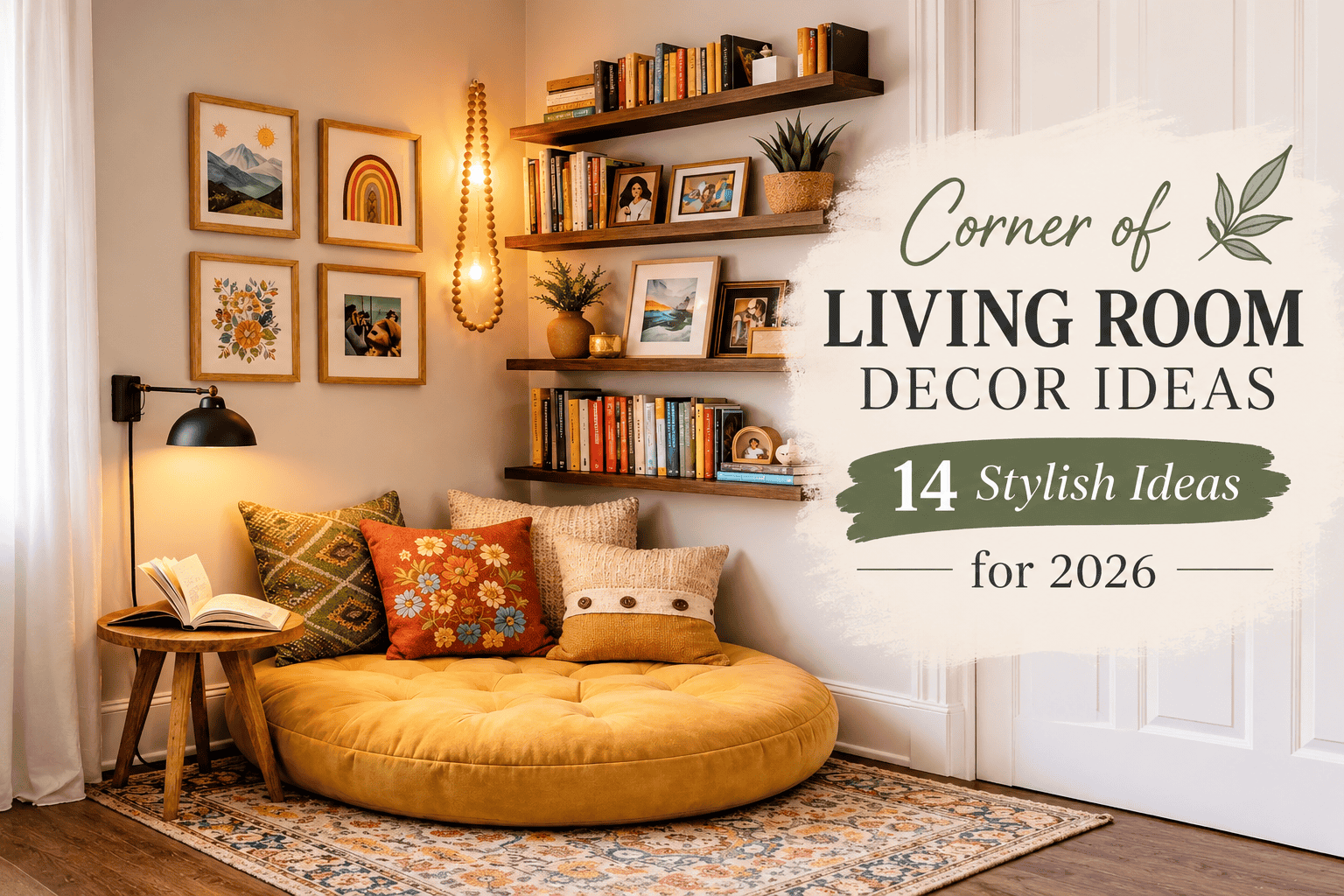
If you need more ideas for an awkward or underused corner, your existing Corner of Living Room Decor Ideas article can provide additional inspiration for using small areas effectively.
Formal Living Room Ideas for Large Spaces
Large living rooms offer more freedom, but they also create a different challenge: avoiding a scattered or empty appearance.
One of the best formal living room ideas for a large space is to divide the room into purposeful zones.
A main conversation area can occupy the center, while a reading corner can sit near a window. A small game table, writing desk, or secondary seating arrangement can occupy another section.
Large rooms also benefit from substantial artwork, oversized lighting, larger rugs, and furniture with enough visual weight to match the architecture.
Do not fill every empty space simply because you have room. Negative space is part of elegant design. A large room can feel luxurious when furniture is intentionally spaced rather than crowded.
Best Colors for a Formal Living Room
The best color depends on the atmosphere you want to create.
Warm white and cream can create a soft, timeless appearance. Beige and taupe can provide warmth. Greige can bridge traditional and contemporary styles. Navy can add sophistication, while forest green can create depth.
For a dramatic formal room, consider burgundy, charcoal, chocolate brown, or deep blue. These colors work especially well when balanced with lighter upholstery, warm metals, natural wood, or cream accents.
If you prefer color but want the room to remain elegant, use one strong accent color rather than multiple competing shades.
For example, a cream room with navy chairs and brass lighting can feel much more sophisticated than a room containing five unrelated accent colors.
How to Make a Formal Living Room Feel More Expensive
Luxury is not simply about buying expensive furniture. Proportion, consistency, materials, lighting, and restraint often have a greater visual impact.
One of the easiest formal living room ideas for creating a more expensive appearance is to improve the scale of the room’s major elements. An appropriately sized rug, substantial artwork, properly scaled lighting, and correctly proportioned furniture can make a significant difference.
Pay attention to curtains as well. Floor-length curtains generally create a more finished appearance than short window treatments.
Mixing materials can also create depth. Combine wood, stone, glass, metal, velvet, linen, and wool rather than using one material repeatedly.
Finally, remove unnecessary clutter. A sophisticated room usually has enough decorative elements to feel personal but enough negative space to remain visually calm.
Formal Living Room Ideas on a Budget
You do not need to renovate your entire room to make it feel more formal.
Start with the layout. Rearranging furniture can sometimes make a greater difference than purchasing new furniture.
Next, focus on high-impact details. A large rug, better curtains, updated lighting, new artwork, or a well-framed mirror can transform the appearance of the room.
Lighting is particularly valuable because a beautiful lamp can function as both decoration and practical illumination. Your existing Home Styling Guide article on Colorful Lamps can also provide ideas for introducing decorative lighting without redesigning the entire room.
Paint is another relatively accessible way to change the atmosphere. Warm white, cream, taupe, muted green, navy, and other sophisticated shades can completely change the character of a room.
Formal Living Room Mistakes to Avoid
One common mistake is making the room too symmetrical. Symmetry is useful, but perfect duplication everywhere can make a room feel like a showroom.
Another mistake is choosing furniture that is too large. A beautiful oversized sofa can make a small room feel cramped and reduce the space available for movement.
Using too many decorative accessories can also undermine an elegant look. Formal design benefits from editing. Choose fewer objects and give each one enough visual space.
Avoid matching every piece of furniture from the same collection. A room can look more sophisticated when different pieces share a common style without being identical.
Finally, do not make the room so formal that nobody wants to use it. The strongest modern formal living room ideas create sophistication while preserving comfort.
Formal Living Room Ideas for a Timeless 2026 Look
The best 2026 interiors are not necessarily those that follow every trend. Instead, they combine timeless foundations with a few current details.
Start with classic proportions, quality-looking materials, comfortable furniture, and a restrained color palette. Then introduce contemporary touches through lighting, artwork, accent furniture, or accessories.
Mixing old and new can make the room feel more authentic. An antique-looking mirror can work beautifully with a modern sofa. A traditional rug can complement a contemporary coffee table.
This collected approach prevents the formal living room from looking like a showroom assembled in one afternoon.
Current 2026 design coverage increasingly favors personalized interiors, craftsmanship, natural materials, meaningful objects, and interiors with character over overly generic spaces.
How to Choose Accessories for a Formal Living Room
Accessories should support the room rather than overwhelm it.
Start with larger elements such as artwork, mirrors, lamps, vases, books, and sculptural objects. Then add smaller decorative pieces only where they contribute something meaningful.
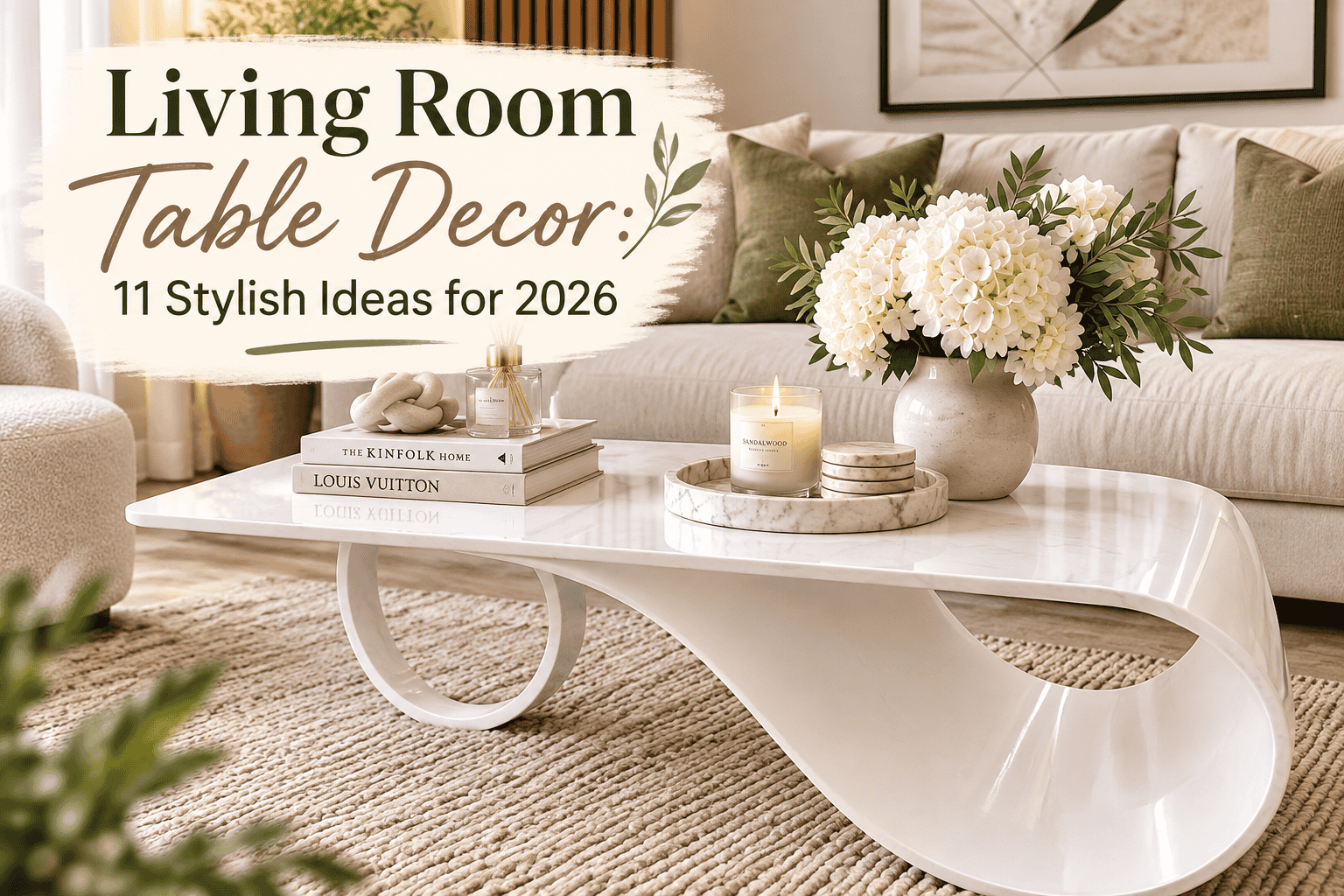
Coffee tables can hold a small collection of books, a decorative tray, a vase, or one sculptural object. Side tables can hold lamps and a small accessory.
Plants can also soften a formal room. Choose greenery that fits the scale of the space and does not require excessive maintenance.
The goal is to make the room feel collected over time rather than decorated all at once.
How to Use Curtains in a Formal Living Room
Window treatments have a major influence on the overall appearance of a formal room.
Floor-length curtains can emphasize height and make windows feel more substantial. Neutral linen-look curtains can create a relaxed elegance, while heavier drapes can create a more traditional atmosphere.
Consider the color carefully. Curtains do not always need to match the sofa. They can instead relate to the wall color, rug, artwork, or architectural details.
For a classic appearance, use simple, full-length panels without excessive decorative details.
How to Add Personality Without Losing Elegance
A formal room should reflect the people who live in the home.
Personal artwork, books, travel objects, family heirlooms, vintage furniture, or handmade accessories can make the space feel authentic.
One of the best formal living room ideas is to mix personal objects with refined foundational pieces. A modern sofa can sit beside an inherited side table. A contemporary lamp can illuminate an antique console.
This creates contrast and makes the room feel less predictable.
Do not be afraid to use color either. A single strong artwork or accent chair can give a neutral room personality without destroying its sophisticated appearance.
Frequently Asked Questions About Formal Living Room Ideas
What are the best formal living room ideas for 2026?
The strongest formal living room ideas for 2026 combine timeless architecture with comfortable modern furniture, warm neutral palettes, layered lighting, natural materials, statement artwork, and carefully selected vintage or antique-inspired pieces.
The goal is an elegant room that feels personal and inviting rather than stiff.
How do I make a formal living room feel cozy?
Use comfortable seating, layered lighting, soft rugs, curtains, textured pillows, throws, natural materials, books, artwork, and greenery.
Warm lighting is especially important in the evening because it can make a formal room feel much more intimate.
What furniture belongs in a formal living room?
A formal living room can include a sofa, accent chairs, coffee table, side tables, lamps, console, rug, and storage or display furniture when necessary.
The exact combination depends on the size of the room and how you plan to use it.
Should a formal living room have a TV?
A TV is optional. Many homeowners prefer a formal living room without a TV because it allows the space to focus on conversation, artwork, architecture, and entertaining.
If you want a TV, consider integrating it discreetly into the room instead of allowing it to dominate the main focal point.
What colors make a living room look elegant?
Cream, warm white, beige, taupe, greige, navy, forest green, muted blue, charcoal, burgundy, and warm brown can all create an elegant atmosphere when properly balanced.
The best choice depends on natural light, furniture, flooring, and the mood you want.
How can I make a small formal living room look bigger?
Use appropriately scaled furniture, avoid excessive clutter, maintain clear walking paths, and consider mirrors to create visual depth.
Light colors and furniture with lighter visual profiles can also help the room feel more open.
Are formal living rooms outdated?
No. The purpose and appearance of formal living rooms have changed, but the concept remains useful.
Modern formal living room ideas focus less on creating an untouchable room and more on creating a refined space for entertaining, conversation, reading, and relaxation.
How can I decorate a formal living room without spending a lot?
Start with the furniture arrangement, then prioritize high impact updates such as paint, lighting, curtains, artwork, rugs, and mirrors.
You do not have to replace every piece. Sometimes editing the existing decor and improving proportions can make the room feel significantly more sophisticated.
Final Thoughts on Formal Living Room Ideas
The best formal living room ideas are not about making your home look overly expensive or perfectly staged. They are about creating a room with intention, balance, comfort, and personality.
Start with the purpose of the room. Decide whether it will primarily be used for entertaining, conversation, reading, relaxing, or a combination of these activities. Then build the furniture arrangement around that purpose.
From there, choose a refined color palette, establish a focal point, add a properly sized rug, introduce layered lighting, and decorate the walls thoughtfully.
Most importantly, remember that a formal living room does not have to be uncomfortable. The most successful formal living room ideas for 2026 combine elegance with livability, creating a sophisticated environment that you and your guests actually want to use.
With the right layout, furniture, colors, lighting, artwork, and accessories, even a simple living room can become a polished and welcoming part of your home.