
Discover Turkish home decor for 2026 colors, textiles, and room ideas. Learn how to bring authentic Turkish home decor into any US home, on any budget.
Turkish home decor has quietly become one of the most searched-for design styles among American homeowners, and it’s easy to see why. It blends centuries of craftsmanship with colors and textures that feel both grounded and luxurious. If you have ever admired a richly patterned rug, a glowing mosaic lamp, or a wall of hand-painted tiles and wondered what that “look” is called, you were probably looking at Turkish decor. In this guide, we will walk through everything that defines the style its colors, materials, furniture, lighting, and motifs and show you exactly how to bring Turkish home decor into your own home in 2026, whether you are working with a full budget or just a few key pieces.
Unlike trend-driven aesthetics that come and go, Turkish home is rooted in real history Ottoman palaces, Anatolian villages, and centuries of textile and ceramic traditions. That history is exactly what gives it staying power, and it’s why more US homeowners are choosing Turkish home decor over shorter lived design fads.
What Is Turkish Home Decor?
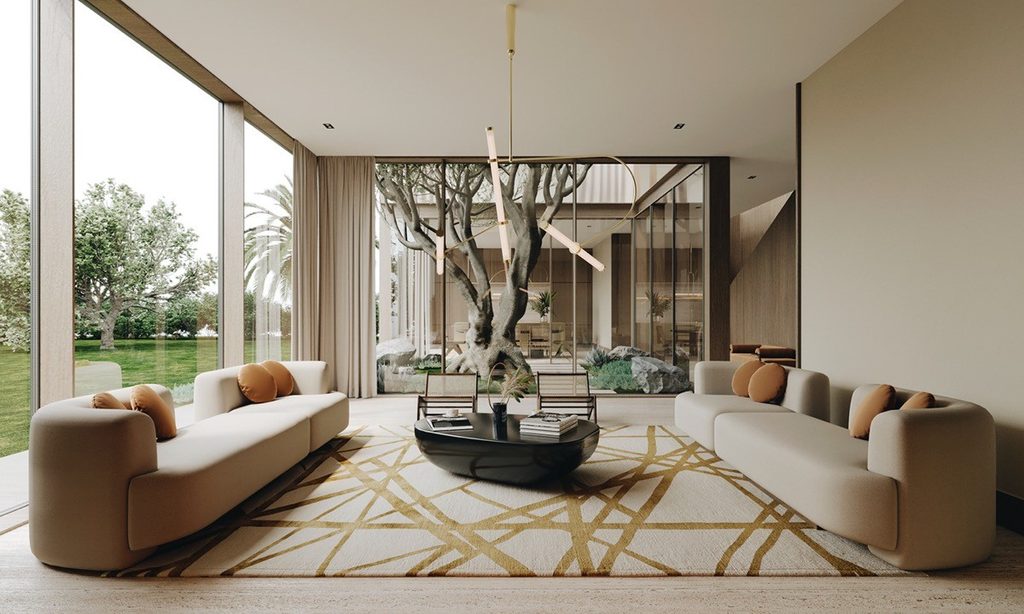
Turkish decor is an interior style shaped by Ottoman, Anatolian, and Mediterranean influences, built around handcrafted textiles, richly colored ceramics, carved wood furniture, and warm, glowing lighting. At its core, Turkish home decor is about layering a woven rug under a carved wood table, a wall of patterned tiles beside soft cushions, a brass tray catching candlelight. Nothing is meant to feel sparse or overly minimal.
What separates Turkish home decor from other global styles is its balance between opulence and comfort. Ottoman palace interiors were designed to impress, but everyday Turkish homes have always focused on hospitality and coziness deep seating, soft textiles, and warm lighting that invites people to stay a while. When you bring Turkish home decor into a US home, you are really borrowing both of these traditions: the visual richness of the palace and the warmth of the family home.
Why Turkish Home Decor Is Trending in US Homes in 2026
A few years ago, Turkish home was mostly found in specialty import shops. Today, it’s showing up in mainstream design conversations, and for good reason.
Handcrafted quality in a mass produced world.
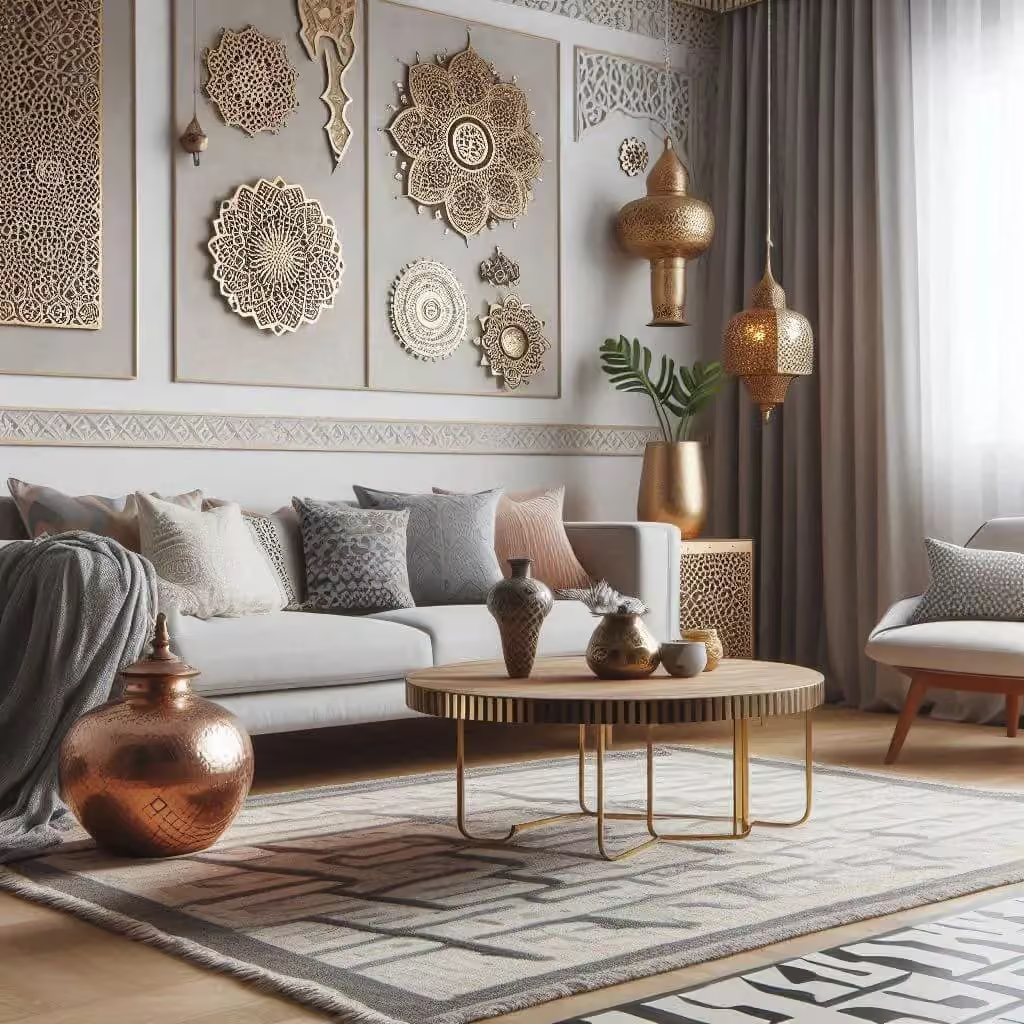
Many US homeowners are tired of flat pack furniture and decor that looks identical in every big box store. Turkish home decor pieces kilim rugs, hand painted ceramics, carved wood tables are typically made by artisans, and that handmade quality is easy to feel the moment you see it in person.
A warmer alternative to minimalism
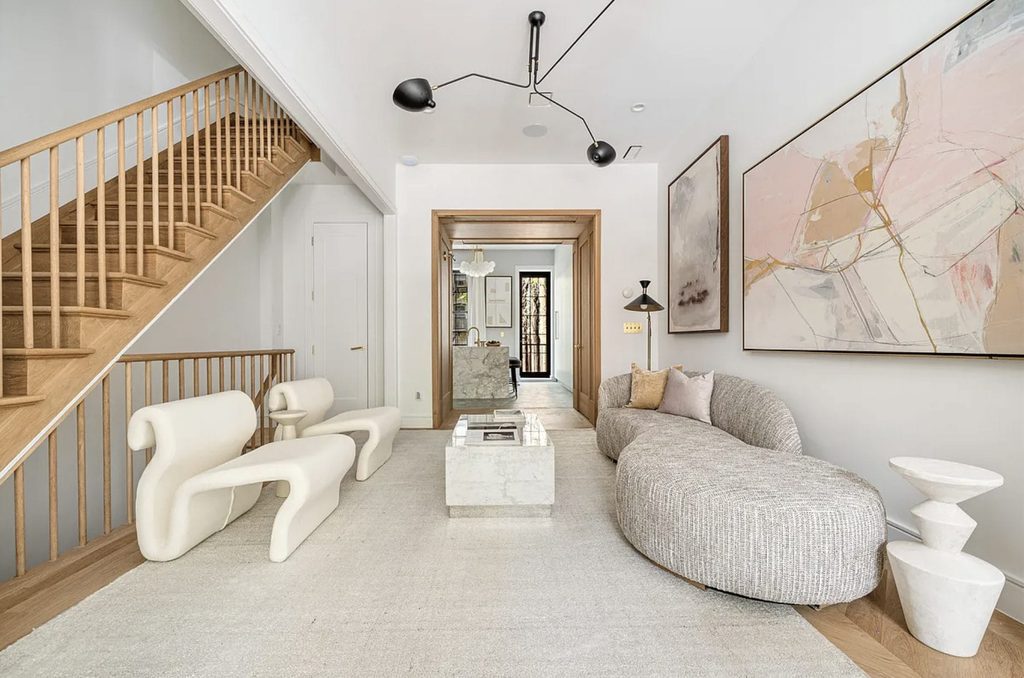
After years of all white, ultra minimal interiors, many homeowners are craving color, pattern, and texture again. Turkish home decor delivers all three without feeling cluttered, because its patterns are grounded by warm, earthy color families.
It plays well with styles Americans already love.
Turkish home decor blends naturally into Bohemian, Mediterranean, Modern Farmhouse, and even Eclectic interiors, so you don’t need to redesign your whole home to bring it in a rug and a lamp can be enough to start.
Cultural depth matters more to buyers now
Homeowners increasingly want their spaces to tell a story rather than just follow a trend. Turkish home decor, with its centuries of craft tradition, offers exactly that kind of meaning.
The History Behind Turkish Home Decor

To really understand Turkish home decor, it helps to know where it comes from. The style draws on layers of history spanning the Ottoman Empire, Anatolian village life, and centuries of trade along the Silk Road. Istanbul itself sat at the crossroads of East and West, and that geography shaped everything from the textiles to the ceramics that define Turkish home decor today.
Ottoman palace interiors were designed to display wealth and status think gold leaf, silk brocades, and elaborate tilework covering entire walls. At the same time, everyday Anatolian homes developed their own parallel tradition: handwoven kilims for warmth on stone or wood floors, simple carved wood furniture, and textiles passed down through generations. Modern Turkish home decor pulls from both traditions, which is exactly why the style can feel simultaneously grand and grounded it’s really two design histories layered on top of each other.
Trade also played a major role. Turkish home decor absorbed influences from Persian, Arab, and Central Asian craftsmanship over centuries, which is part of why some motifs like tulip patterns or geometric tile work echo across several Middle Eastern and Central Asian design traditions while still remaining distinctly Turkish in execution.
Signature Colors of Turkish Home Decor
Color is one of the fastest ways to recognize Turkish home decor, and it’s usually the first thing people notice.
- Deep, jewel-toned blues: inspired by the Aegean and Mediterranean coastlines, often called “Turkish blue”
- Terracotta and burnt orange: warm, earthy tones drawn from Anatolian pottery and landscapes
- Rich reds and burgundies: found throughout traditional textiles and carpets
- Gold and brass accents: used sparingly to add warmth and shine without overwhelming a room
- Olive green and sandy neutrals: grounding tones that balance the bolder colors
- Turquoise: a signature accent color, especially in ceramics and mosaic glass
The trick to using these colors well is contrast: pair one or two bold, saturated shades with a neutral, sandy, or cream backdrop. This is exactly how Turkish home decor avoids feeling overwhelming even though the individual colors are so vivid.
Key Materials and Textiles in Turkish Home Decor
Texture does as much work as color in Turkish home decor, and textiles are where that texture really lives.
Kilim Rugs and Carpets

The kilim a flat woven rug with bold geometric patterns is arguably the single most recognizable piece of Turkish home . Traditionally handwoven from wool, each kilim design often carries regional or symbolic meaning, which is part of what makes them feel so personal compared to a mass-produced area rug.
Suzani and Embroidered Fabrics
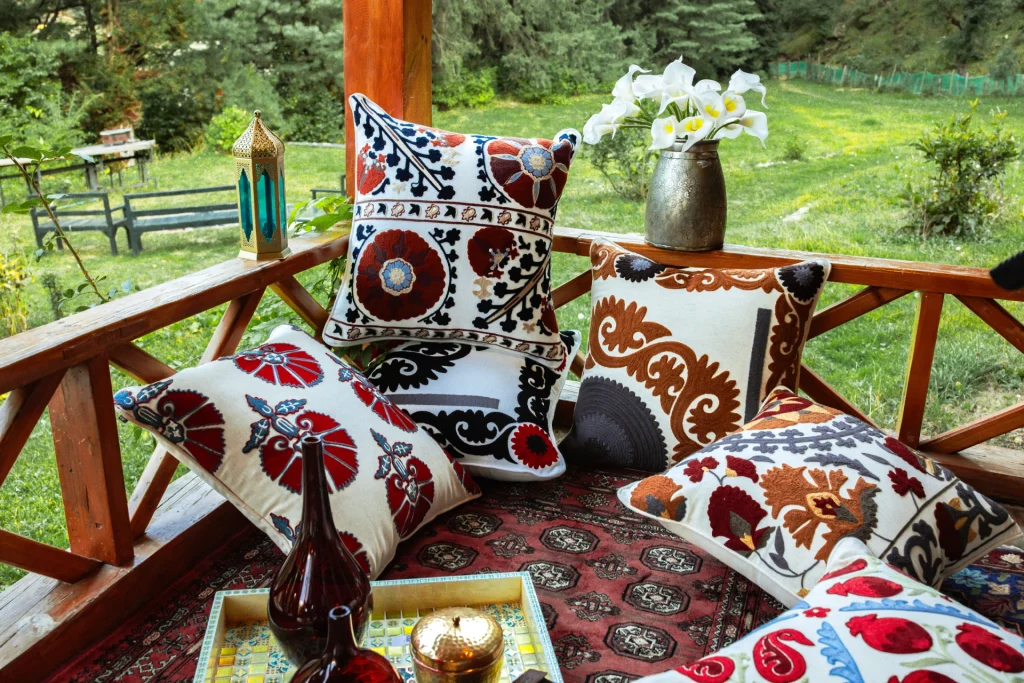
Suzani textiles, embroidered with floral and sun motifs, are commonly used as throws, wall hangings, or pillow covers. They add another layer of pattern without repeating the geometric look of a kilim, which is exactly why the two are often paired together.
Velvet and Layered Cushions

Deep colored velvet cushions are a staple of Turkish decor, especially on low seating and floor poufs. Layering several cushion sizes and fabrics velvet, embroidery, tassels creates the “lived-in luxury” feeling that defines the style.
Furniture Styles in Turkish Home Decor
Furniture in Turkish home tends to favor solid wood, carved details, and curved silhouettes over sharp, industrial lines.
Carved Wood Pieces

Coffee tables, consoles, and cabinets are often made from solid wood with hand carved motifs geometric shapes, florals, or fretwork patterns. These pieces are meant to be focal points, not background furniture.
Low Seating and Poufs
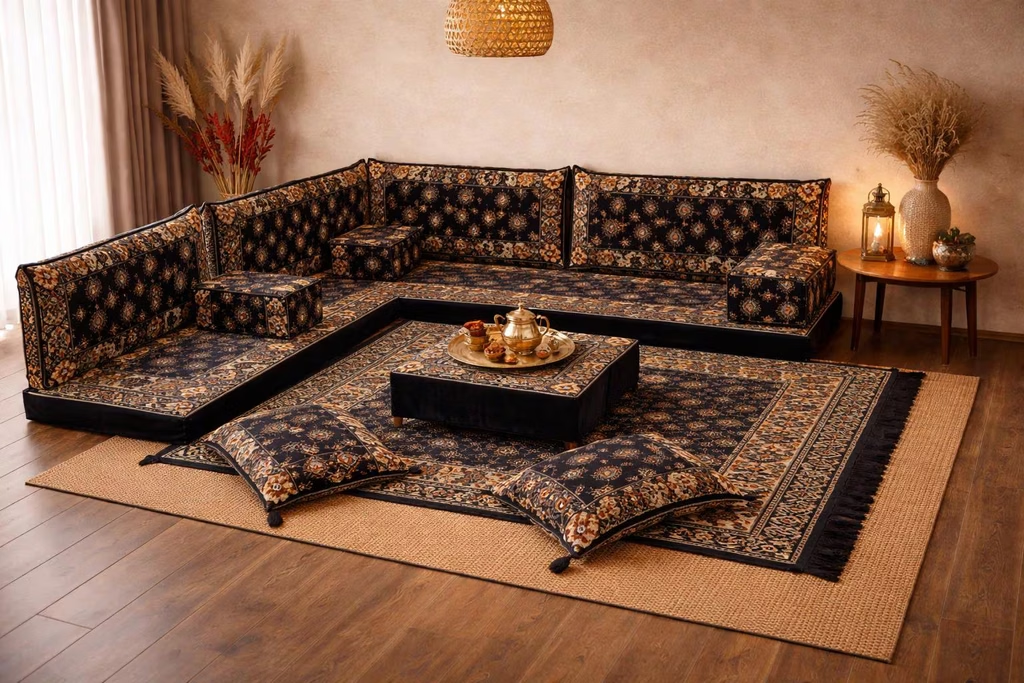
Traditional Turkish interiors favor low divans, floor cushions, and poufs, which encourage a relaxed, social way of sitting. In a modern US home, a single leather or embroidered pouf next to a sofa is often enough to introduce this element of Turkish home decor without redoing your whole seating arrangement.
Ottoman Inspired Accent Pieces

An ottoman style bench or footstool with carved wood legs and a patterned textile top is one of the easiest ways to add authentic Turkish home decor character to a living room or bedroom.
Lighting: Mosaic Lamps and Lanterns

No discussion of Turkish home decor is complete without mosaic lighting. Turkish mosaic lamps are made from hundreds of small, hand-cut pieces of colored glass set into a metal frame. When lit, they cast intricate, colorful patterns across walls and ceilings an effect that’s almost impossible to replicate with any other type of lamp.
Metal lanterns, often finished in brass or bronze, are another lighting staple. They can be used for candles or converted to hold small bulbs, and they work particularly well on patios, entryways, or above a dining table where you want a warm, ambient glow rather than bright overhead light.
If you only add one true Turkish home decor piece to a room, a mosaic lamp or pendant is usually the highest-impact choice, because lighting shapes the entire mood of a space after dark.
Tiles, Ceramics, and Symbolic Motifs
Turkish home decor is also deeply tied to ceramics and tilework, much of which carries symbolic meaning rather than being purely decorative.
Iznik Tiles

Named for the town of Iznik, these hand-painted ceramic tiles feature tulip, carnation, and floral motifs in signature blues, reds, and greens. Historically used to decorate Ottoman mosques and palaces, Iznik pottery remains one of the most recognizable visual signatures of Turkish design today, and reproduction tiles or coasters are an accessible way to bring that same detail into a US home.
The Evil Eye (Nazar Boncuğu)

The blue-and-white “evil eye” symbol, known in Turkish as nazar boncuğu, is one of the most common motifs you’ll see in Turkish home decor on wall hangings, jewelry, and small decorative objects. Traditionally believed to protect against bad luck, the nazar amulet has become a popular decorative accent well beyond Turkey, and a single wall-hung nazar is a small, affordable way to signal authentic Turkish home decor in an entryway or gallery wall.
Turkish Ceramics and Copperware

Hand-painted bowls, plates, and hammered copper trays round out the ceramics side of Turkish home decor. These pieces work well displayed on open shelving, stacked on a console table, or used functionally for serving.
Turkish Home Decor vs. Moroccan, Mediterranean, and Ottoman Style
One of the most common points of confusion is how Turkish home decor differs from other global styles it’s often grouped with. Here’s a quick comparison:
| Style | Signature Colors | Key Materials | Overall Feel |
|---|---|---|---|
| Turkish | Aegean blue, terracotta, gold, jewel tones | Kilim rugs, mosaic glass, carved wood, Iznik tiles | Warm, layered, historically rooted |
| Moroccan | Reds, oranges, deep pinks | Beni Ourain rugs, tadelakt plaster, brass lanterns | Bold, tribal, sculptural |
| Mediterranean | Whites, blues, terracotta | Stucco, wrought iron, linen | Airy, coastal, breezy |
| Ottoman | Deep reds, gold, royal blue | Silk, brocade, inlaid wood | Formal, palatial, opulent |
Turkish home decor sits somewhere between all three — it shares Moroccan’s use of pattern, Mediterranean’s warm coastal colors, and Ottoman’s craftsmanship, but it has its own distinct identity built around kilims, mosaic lighting, and Iznik-style tilework. Ottoman design is technically a historical subset of Turkish design, focused specifically on the palace-era aesthetic, while modern Turkish home decor is broader and more livable for everyday homes.
How to Bring Turkish Home Decor Into Every Room
Living Room
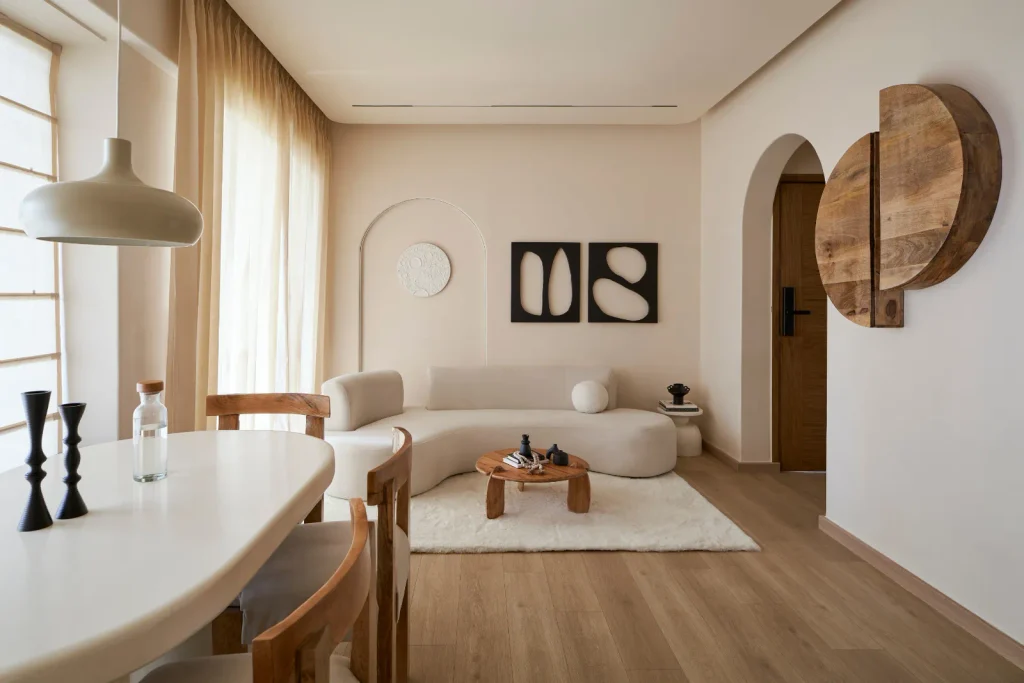
Start with a large kilim or Turkish rug as your anchor piece, then layer in a carved wood coffee table, a few velvet or embroidered cushions, and a mosaic table lamp. If you already have a neutral sofa, this combination alone can shift the entire room toward authentic Turkish home decor without a full furniture overhaul.
Bedroom

Bring Turkish home decor into a bedroom through textiles first a suzani-style throw at the foot of the bed, embroidered pillow covers, and a small mosaic nightlight or lantern on the nightstand. If you’re also exploring other global styles for your bedroom, our bedroom decor ideas guide has more inspiration for layering textures the same way.
Dining Room
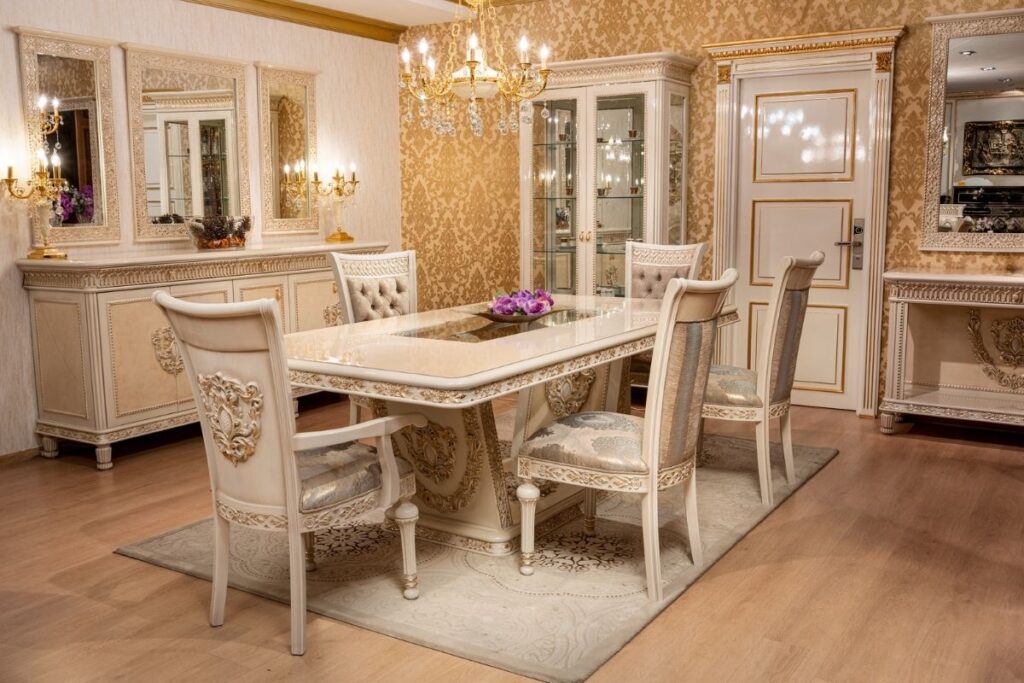
A solid wood dining table, mosaic pendant lighting overhead, and a few hand-painted ceramic serving pieces on the table or sideboard bring Turkish home decor into one of the most-used rooms in the house. Copper trays doubled as centerpieces are a simple, affordable finishing touch.
Outdoor and Patio Spaces

Turkish home decor translates beautifully outdoors. Patterned outdoor cushions, woven rugs rated for outdoor use, and hanging lanterns create a warm, café like atmosphere on a patio or balcony perfect for evening entertaining.
Budget Friendly Turkish Home Decor Ideas
You don’t need to redecorate an entire home to enjoy Turkish home decor. A few budget-conscious ways to start:
- Start with textiles, not furniture. A pillow cover or small kilim-inspired rug costs far less than a piece of carved furniture and delivers an immediate visual shift.
- Choose one statement lighting piece. A single mosaic lamp or lantern can anchor a whole room’s aesthetic.
- Use peel and stick tiles. For renters or anyone not ready to commit to real Iznik tile, peel and stick versions can add the same visual pattern to a backsplash or accent wall.
- Shop small decorative objects first. A nazar wall hanging, a hammered copper bowl, or a ceramic dish are all inexpensive entry points into Turkish home decor.
- Mix instead of replace. Turkish home decor pieces layer naturally into existing furniture you rarely need to remove what you already own.
Common Mistakes to Avoid With Turkish Home Decor
Even with the best intentions, it’s easy to get Turkish home decor slightly wrong. A few things to watch for:
Overdoing every pattern at once. Turkish home decor uses a lot of pattern, but the best rooms still have visual breathing room. Pair one bold patterned rug or textile with simpler, solid colored walls and furniture rather than layering five competing patterns into a single small space.
Choosing cheap, printed imitations over real texture. A photo-printed “kilim style” rug or a plastic mosaic lamp shade can look convincing in a listing photo but falls flat in person. Whenever your budget allows, prioritize real texture woven wool, cut glass, hand-painted ceramic since texture is what makes Turkish home decor feel authentic rather than costume like.
Ignoring lighting temperature. Turkish home decor depends heavily on warm, amber-toned light rather than cool white bulbs. Even an authentic mosaic lamp will look off if it’s fitted with a harsh daylight-toned bulb instead of a warm one.
Treating it as a “theme” instead of a style. The goal isn’t to turn a room into a themed restaurant. The strongest Turkish home decor interiors blend the style into an existing home rather than trying to recreate a bazaar stall indoors.
Modern Turkish Home Decor: A Contemporary Take
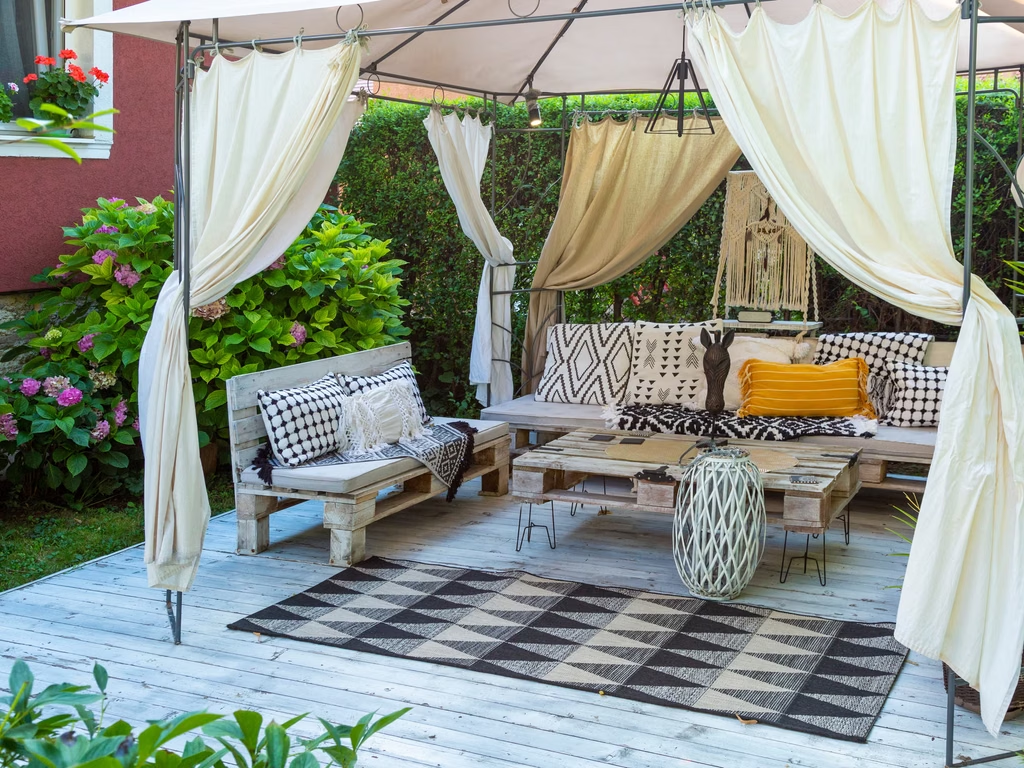
Traditional Turkish home decor can feel quite ornate, and not every US homeowner wants a fully maximalist room. The good news is that Turkish home decor adapts well to a more contemporary approach.
A modern take usually means simplifying the color palette to one or two accent colors instead of five, choosing furniture with cleaner lines while keeping a single carved or patterned statement piece, and letting one or two standout items a mosaic pendant light, a kilim runner, a nazar wall hanging do most of the visual work. This “curated” version of Turkish home decor is especially popular in smaller apartments, where a fully maximalist room isn’t practical but the warmth and character of the style is still very much wanted.
You can also mix modern Turkish home decor with styles you may already be drawn to. It pairs naturally with Modern Farmhouse (warm wood tones plus one kilim rug), Bohemian (layered textiles and global objects), and even more minimalist Scandinavian interiors, where a single mosaic lamp or ceramic bowl becomes the room’s focal point rather than one of many patterns competing for attention.
Buying Tips: How to Choose Authentic Turkish Home Decor
When shopping for Turkish home decor, a few things help you spot quality and authenticity:
- Look for handwoven or hand-painted details. Slight irregularities in a kilim’s pattern or a tile’s brushstrokes are usually a sign of handmade work, not a flaw.
- Check the materials. Genuine kilims are typically wool or wool blend; mosaic lamps should use real cut glass rather than printed plastic panels.
- Ask about origin. Reputable sellers will be able to tell you where a piece was made and by whom.
- Expect a range of prices. Small ceramics and textiles are budget friendly, while large handwoven rugs and carved furniture sit at a higher price point both are valid entry points into Turkish home decor.
- Care for textiles properly. Wool kilims should be professionally cleaned rather than machine washed, and mosaic glass pieces should be dusted gently rather than wiped with harsh cleaners.
Frequently Asked Questions
What is Turkish home decor style? Turkish home decor is an interior design style built around handwoven kilim rugs, mosaic glass lighting, carved wood furniture, and richly colored ceramics, drawing on Ottoman, Anatolian, and Mediterranean influences.
What colors are used in Turkish home decor? Turkish home decor typically features Aegean blue, terracotta, gold, deep red, and olive green, balanced against sandy or cream neutrals.
What is the difference between Turkish and Moroccan decor? Turkish home decor leans on kilims, mosaic lighting, and Iznik style tiles, while Moroccan decor is defined more by Beni Ourain rugs, tadelakt plaster walls, and brass lanterns the two styles share warmth and pattern but draw from different craft traditions.
What is the evil eye symbol in Turkish home decor? The blue and white nazar boncuğu, or evil eye, is a traditional protective symbol commonly used as a decorative accent in Turkish home decor, from wall hangings to small ornaments.
How can I add Turkish home decor on a budget? Start small a kilim-style pillow cover, a single mosaic lamp, or a nazar wall hanging can introduce authentic Turkish home decor without a full room redesign.
Is Turkish home decor the same as Ottoman decor? Not exactly. Ottoman decor refers specifically to the formal, palace-era aesthetic, while Turkish home decor is a broader, more livable style that includes Ottoman influences alongside Anatolian and Mediterranean elements.
Conclusion
Turkish decor offers something a lot of trend-driven styles can’t: real history, real craftsmanship, and a warmth that feels welcoming rather than staged. Whether you start with a single mosaic lamp, a kilim rug, or a small nazar wall hanging, every piece of Turkish home decor you bring into your home carries centuries of tradition behind it. As more US homeowners look for interiors with genuine character in 2026, Turkish home decor is proving to be far more than a passing trend it’s a style built to last.
If you enjoyed this guide, explore more global decor inspiration on our site, including traditional Japanese home decor, European home decor ideas, and gothic home decor or browse our full Home Decor category for more style guides like this one.