Discover stunning master bed ideas to transform your bedroom into a cozy retreat. From layering to decor, get inspired now!
A well styled master bed can instantly make a bedroom feel more comfortable, polished, and inviting. But creating that dreamy look isn’t just about buying beautiful bedding. The right bed frame, color palette, pillows, lighting, rug, and surrounding decor all need to work together.
Whether you’re refreshing a spacious primary bedroom or styling a smaller U.S. bedroom, a few thoughtful changes can make a big difference. You don’t need a complete makeover or an expensive furniture set to get a designer inspired result.
In this guide, you’ll discover 10 master bed styling tips to help you create a cozy and beautiful bedroom. From layering bedding and choosing the right bed frame to styling the wall behind your bed and adding the right lighting, these ideas are simple to adapt to your own space and decorating style.
How to Plan a Well Styled Master Bed
Before changing your master bed, think about how the bed fits into the entire bedroom rather than styling it as an isolated piece of furniture. The bed is usually the largest visual element in the room, so its size, position, color, and surrounding furniture can influence how spacious and balanced the bedroom feels.
Start by considering the room’s size and layout. A king-size bed can work beautifully in a spacious primary bedroom, while a queen-size bed may leave more comfortable walking space in a smaller room. The wall behind the bed should also have enough visual breathing room for the headboard, artwork, wall treatment, or other focal-point elements you want to use.
Next, choose a consistent color and texture direction. You don’t need every item to match exactly, but the bedding, headboard, rug, curtains, nightstands, and decorative accents should share a visual connection. This creates a more intentional master bed design and prevents the bedroom from looking like a collection of unrelated pieces.
10 Master Bed Styling Tips for a Dreamy Bedroom
A beautiful master bed should feel like the focal point of the bedroom while still being comfortable and practical. These 10 styling tips will help you create a balanced look using color, texture, lighting, and carefully chosen accessories.

1.
Choose the Right Master Bed as Your Focal Point
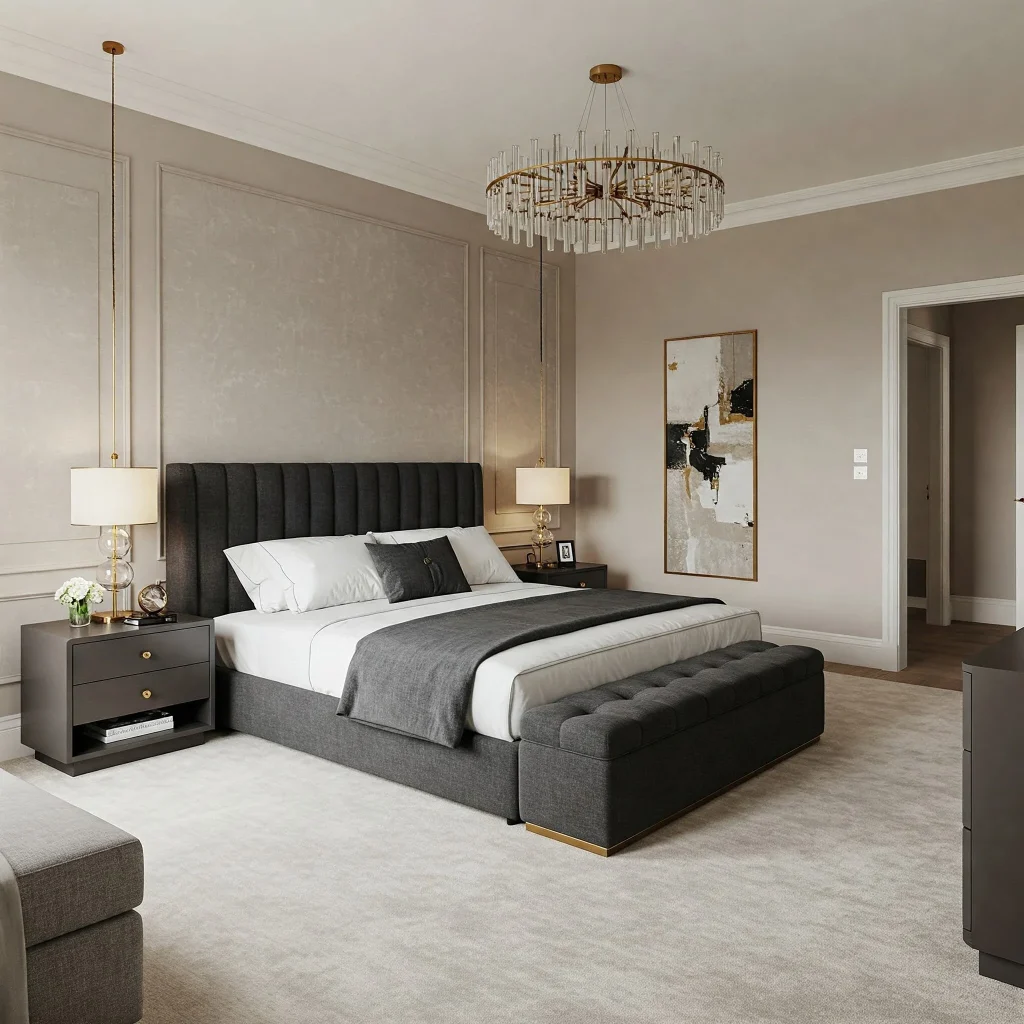
The bed is usually the largest piece of furniture in a bedroom, so its design has a major impact on the entire space. Choose a frame that fits your room size and complements your decorating style.
For a soft, luxurious look, consider an upholstered headboard. A wooden frame works well for rustic or natural interiors, while a simple platform bed suits modern bedrooms.The proportions of the bed should also match the room.
A large headboard or oversized frame can become a strong focal point in a spacious bedroom, but the same design may dominate a smaller room. Measure the available wall and floor space before choosing the bed so you can leave enough room for nightstands, walking paths, doors, and other essential furniture.
Think about the bed frame as the foundation for the rest of the room.
2.
Layer Your Bedding for a Cozy, Designer Look
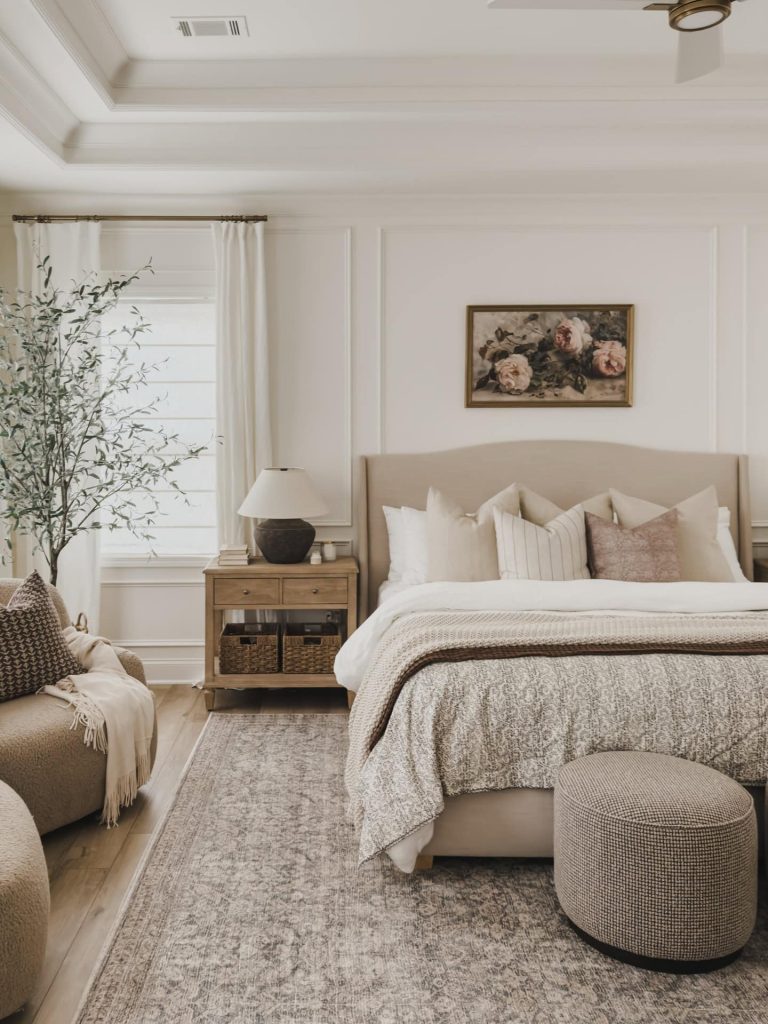
Layered bedding makes a master bed look fuller, softer, and more inviting. Start with quality sheets, then add a duvet or comforter, a quilt or coverlet, and a folded throw at the foot of the bed.
Finish with pillows in different sizes and textures. Keep the colors coordinated rather than matching everything exactly for a relaxed, designer inspired bedroom.
For a more polished result, vary the sizes and textures of your bedding rather than simply adding more pillows. Start with a simple base, add a duvet or comforter, then introduce a quilt, coverlet, or folded throw for another layer. The goal is to create depth while keeping the bed comfortable enough for everyday use.
Color is also important when layering bedding. Instead of matching every piece exactly, choose shades that belong to the same palette. For example, cream sheets, a warm beige duvet, and a taupe throw can create a sophisticated neutral look. If the bedroom already has a bold accent wall, keep the bedding slightly quieter so the room has one clear focal point.

3.
Pick a Bedroom Color Palette That Feels Relaxing
Choose calming shades such as warm white, beige, taupe, soft gray, sage green, or muted blue for a peaceful master bedroom. These colors make the bed feel like a natural focal point without overwhelming the space.
For more personality, add one or two deeper shades through pillows, artwork, a throw, or an accent wall. Keeping the palette coordinated helps the entire bedroom feel calm and polished.
When choosing colors for the master bed, consider the permanent elements already in the room. Flooring, wall color, curtains, furniture, and natural lighting can all change how bedding colors appear. A warm neutral palette may look especially inviting with wood furniture, while muted blue, sage, or soft gray can work well in a room with cooler finishes.

4.
Create a Balanced Look With Matching Nightstands
Matching nightstands on both sides of the master bed create symmetry and make the bedroom feel more organized. Choose nightstands that are close in height to the mattress for a comfortable, balanced look.
Complete the setup with matching or complementary lamps, a small vase, a book, or a simple decorative piece. Keep the surfaces uncluttered so the bed remains the main focal point.
Nightstand scale matters just as much as matching style. Ideally, the top of the nightstand should sit at a comfortable height in relation to the mattress so that lamps, books, and other frequently used items are easy to reach. If the bed has a tall headboard, slightly larger nightstands can help maintain visual proportion.

5.
Add Statement Pillows Without Overcrowding the Bed
Use a mix of standard, euro, and accent pillows to give your master bed a polished look. Combine different textures while keeping the colors within the same palette.
Avoid filling the entire bed with pillows. Leave enough space to sleep comfortably, and choose one standout pattern or texture to create visual interest without making the bed look cluttered.
A simple way to create a professional-looking pillow arrangement is to work from largest to smallest. Place the sleeping pillows at the back, add larger decorative pillows in front, and finish with one or two smaller accent pillows. This creates depth without requiring a large number of pillows.

6.
Use a Rug to Ground the Master Bed
A well-sized area rug adds warmth, softness, and visual balance around the master bed. For a king bed, a 9×12 foot rug works well in a spacious bedroom, while an 8×10 foot rug can suit a smaller layout.
Place the rug under the lower two thirds of the bed so it extends beyond both sides. Choose a soft neutral, subtle pattern, or textured design that complements your bedding.
The rug should extend far enough beyond the sides of the bed to create a visual connection between the bed and the surrounding furniture. If the room is large, a larger rug can help define the sleeping area and make the master bed feel more grounded.

7.
Style the Wall Behind Your Bed
The wall behind your master bed is a perfect place to create a focal point. Try an upholstered headboard, warm paint color, textured wallpaper, simple wall molding, or one large piece of artwork.
For a modern look, keep the wall design simple and let the bedding provide most of the color and texture. This creates a polished bedroom without making the space feel crowded.
The wall behind the bed does not need several decorative elements to become a focal point. In many bedrooms, one strong feature works better than multiple competing pieces. A large upholstered headboard, textured wallpaper, wood paneling, wall molding, or oversized artwork can provide enough visual interest on its own.

8.
Use Layered Lighting for a Softer Bedroom
Good lighting can make your master bed feel much more inviting. Combine bedside lamps or sconces with soft overhead lighting to create different levels of light throughout the room.
Choose warm-white bulbs around 2700K–3000K for a cozy atmosphere. Dimmable lights are especially useful because you can switch from brighter lighting in the morning to a softer glow at night.
Try to give each lighting source a specific purpose. Bedside lamps or sconces provide focused light for reading, while ceiling fixtures provide general illumination. A decorative floor lamp can fill a darker corner, and subtle accent lighting can highlight artwork or architectural details.
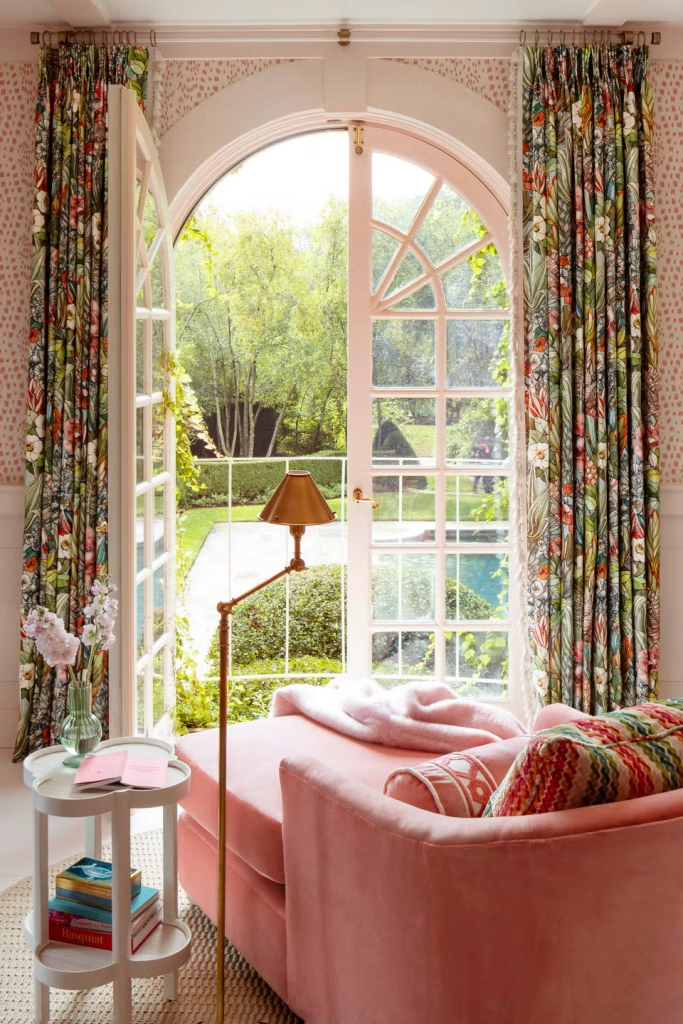
9.
Add Texture With Throws, Curtains, and Natural Materials
Texture makes a master bed feel warmer and more inviting. Add a knitted or woven throw, linen bedding, soft curtains, and a textured rug to create depth without relying on bold colors.
Natural materials such as wood, rattan, cotton, and linen also give the bedroom a relaxed, timeless feel. Mix a few different textures while keeping the color palette consistent.
Avoid using too many similar textures because the room can start to feel visually flat. Instead, combine contrasting surfaces such as smooth cotton sheets, a knitted throw, a woven rug, natural wood, and soft upholstery. Each material should contribute something different while still belonging to the same overall design.
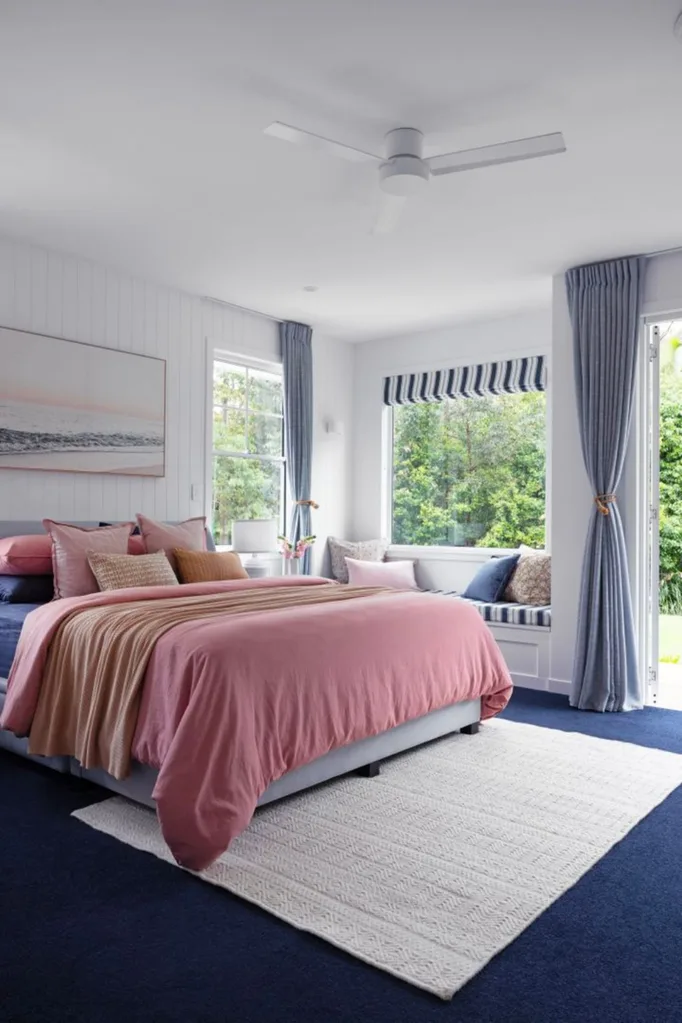
10.
Keep the Master Bed Area Clutter Free and Personal
A dreamy master bed should feel comfortable, not crowded. Keep bedside surfaces simple and choose a few meaningful pieces, such as a favorite book, small plant, framed photo, or decorative tray.
Use baskets, nightstand drawers, or an upholstered bench to keep everyday items organized. A clean, uncluttered space allows the bedding, textures, and focal point details to stand out.
A clutter free master bed is also easier to maintain. Keep decorative pieces limited to items that genuinely contribute to the room, and give everyday objects a designated storage place. A small tray on a nightstand can hold frequently used items, while baskets, drawers, or a storage bench can hide less attractive essentials.
How to Make a Master Bed Look More Expensive
A master bed can look polished and luxurious without requiring an expensive furniture set. The biggest difference usually comes from proportion, layering, texture, and consistency rather than the price of individual pieces. Start by making the bed itself look full and intentional with well layered bedding, coordinated pillows, and a neatly folded throw.
Next, focus on the area surrounding the bed. Matching or visually balanced nightstands, appropriately sized lamps, a well-positioned rug, and simple artwork can make the entire sleeping area feel more complete. Curtains that reach close to the floor can also add height and softness to the room.
Finally, avoid overdecorating. A luxurious bedroom usually has enough visual interest to feel finished but enough empty space to remain calm. Choose a limited color palette, repeat a few materials throughout the room, and allow the master bed to remain the main focal point.
How Do You Choose the Best Master Bed for Your Bedroom?
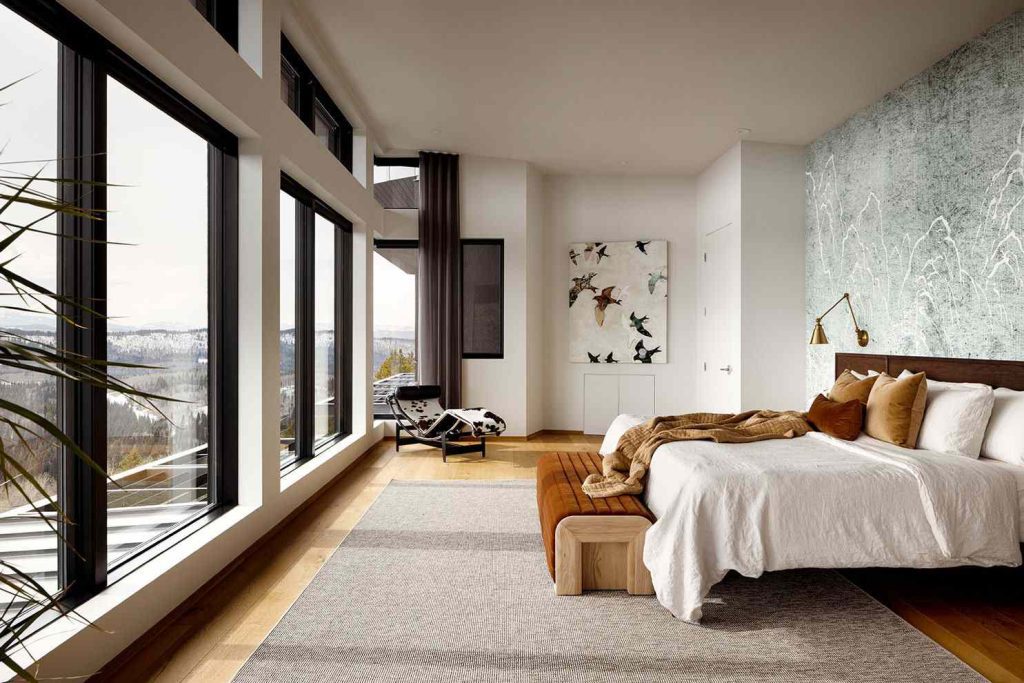
Choosing the right bed goes beyond appearance. The size, frame style, and available floor space all affect how comfortable and balanced your bedroom feels.
King vs. Queen Master Bed: Which One Fits Better?
A king bed is ideal for larger primary bedrooms and gives couples plenty of sleeping space. A queen bed works well in smaller bedrooms where you want more room for nightstands, dressers, or walking space.
Platform, Upholstered, or Wooden Bed Frames?
Upholstered frames create a soft and luxurious feel, while wooden beds bring natural warmth and work well with rustic or modern styles. Platform beds offer a clean, streamlined look and are especially suitable for contemporary bedrooms.
How Much Space Should You Leave Around the Bed?
Leave enough clear space around the bed for comfortable movement and access to nightstands and storage. Avoid pushing an oversized bed into a room simply because it fits the bedroom should still feel open and easy to navigate.
What Colors and Bedding Styles Are Trending for Master Bedrooms in 2026?
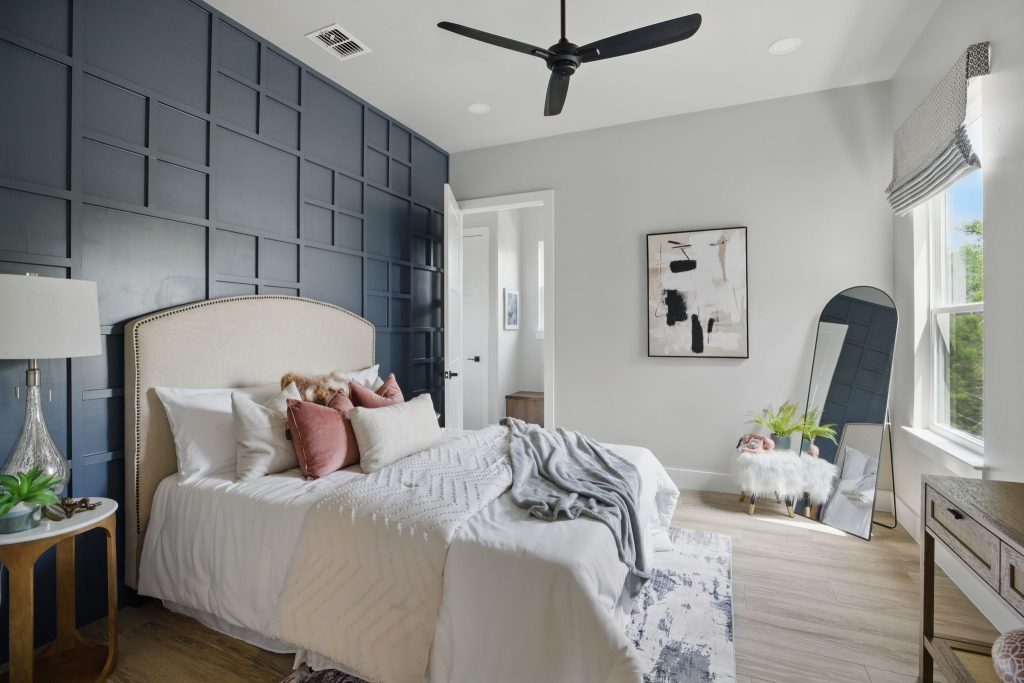
In 2026, master bedrooms are leaning toward warm, comfortable, and layered designs rather than overly matched sets. Soft neutrals, earthy colors, natural fabrics, and relaxed bedding create a more inviting look.
Warm Neutrals for a Calm, Elevated Look
Cream, beige, taupe, warm white, and soft brown create a timeless foundation for the bedroom. These shades work especially well with wood furniture, textured bedding, and soft lighting.
Earthy and Nature Inspired Bedroom Colors
Sage green, olive, terracotta, muted blue, and clay tones can bring a natural feel to the space. Use these shades in bedding, artwork, curtains, or an accent wall rather than covering everything in one bold color.
Modern Bedding Combinations That Look Expensive
Layer simple bedding in complementary shades and mix textures instead of using a perfectly matching set. For example, pair cream sheets with a taupe duvet, a textured throw, and a few subtle accent pillows for an elegant, designer inspired master bed.
How Can You Make a Master Bed Look Luxurious on a Budget?
A luxurious master bed doesn’t have to come with a luxury price tag. Focus your budget on a few high impact details, such as quality looking bedding, layered textures, and warm lighting.
Invest in Bedding and Save on Small Accessories
If you can only upgrade one thing, prioritize the bedding. Choose comfortable sheets, a well-filled duvet or comforter, and a textured throw. Save money on smaller accessories such as decorative pillows, trays, and vases.
Use Lighting and Textures to Create a High-End Feel
Layered lighting, floor length curtains, soft rugs, and natural textures can make a bedroom feel more expensive. Materials such as linen, cotton, wood, and woven fibers add depth without requiring a complete makeover.
Affordable Master Bed Styling Updates Under $100
You can refresh a master bed with a few affordable changes, such as new pillow covers, a cozy throw, a small bedside lamp, or a decorative tray. Even rearranging existing furniture and improving bedding layers can give the room a noticeably more polished appearance.
Common Master Bed Styling Mistakes to Avoid
Even beautiful bedroom pieces can look unbalanced when they’re not properly coordinated. Avoiding a few common styling mistakes can help your master bed look polished, comfortable, and intentional.
Choosing a Bed That Is Too Large for the Room
An oversized bed can make a bedroom feel cramped and leave little space for walking or other furniture. Before buying, measure the room and consider the space needed around the bed, nightstands, and doors.
Using Too Many Pillows, Patterns, or Colors
Too many decorative pillows or competing patterns can make the bed look cluttered. Choose a few coordinated textures and colors instead, keeping one element as the main visual accent.
Ignoring Scale and Proportion
The bed, nightstands, lamps, rug, and artwork should feel appropriately sized for one another. For example, tiny lamps beside a large bed can look disproportionate, while oversized artwork may overwhelm a smaller bedroom.
Master Bed Styling Ideas for Different Bedroom Sizes
The best master bed setup depends partly on the amount of space available. A large primary bedroom can accommodate a king bed, larger rug, wider nightstands, and additional seating, while a smaller bedroom may need a simpler arrangement that prioritizes walking space and storage.
For a Large Master Bedroom
A large bedroom gives you more flexibility to create a complete sleeping zone. A king-size bed can be paired with substantial nightstands, a large area rug, a bench at the foot of the bed, and a comfortable chair in a separate corner. Use larger artwork and appropriately scaled lighting so the room does not feel visually empty.
For a Small Master Bedroom
In a smaller bedroom, choose furniture according to the available floor space rather than simply selecting the largest bed that fits. A queen bed, slim nightstands, wall-mounted lighting, and under-bed storage can provide the necessary functions while preserving comfortable movement around the room.
For a Long or Narrow Bedroom
In a narrow bedroom, pay close attention to the walking path and furniture depth. Keep bulky pieces away from the main circulation area and consider a streamlined bed frame with smaller nightstands. A rug placed strategically under the bed can visually define the sleeping area without making the room feel narrower.
FAQs About Master Bed Ideas
What is the best bed size for a master bedroom?
A king bed is ideal for a spacious primary bedroom, while a queen bed works better in smaller rooms. Choose the largest size that still leaves comfortable walking space around the bed and enough room for essential furniture.
How do I make my master bed look luxurious?
Use layered bedding, coordinated pillows, a textured throw, warm lighting, and a well-sized rug to create a luxurious look. Keeping the color palette simple and adding a few high quality looking details can make the bed feel more polished.
How many pillows should you put on a master bed?
For a king or queen bed, start with two to four sleeping pillows and add a few decorative pillows in different sizes. Keep the arrangement comfortable and avoid using so many pillows that making or using the bed becomes inconvenient.
What colors make a master bedroom feel relaxing?
Warm white, cream, beige, taupe, sage green, muted blue, and soft brown are excellent relaxing bedroom colors. These shades create a calm foundation while allowing you to add deeper colors through pillows, artwork, throws, or other accents.
How should I style the wall behind my master bed?
Create a focal point with an upholstered headboard, accent paint, textured wallpaper, wall molding, or artwork. Choose one main feature rather than combining too many elements, so the wall complements the bed without overwhelming the bedroom.
Conclusion
A beautifully styled master bed can completely change the feel of your bedroom. From layered bedding and calming colors to thoughtful lighting, rugs, textures, and personal accents, small styling choices can create a cozy and polished space.
The best approach is to choose ideas that fit your room size, lifestyle, and personal style rather than following every trend. Start with one or two updates, then build your dreamy bedroom from there.
Save this guide to for your next bedroom refresh, and explore more home styling ideas on homestylingguide.com