Discover 15 timeless European home decor ideas for US homes. Explore elegant lighting, wall art, furniture, and outdoor styling tips to create a warm, sophisticated space.
European home decor is known for its timeless elegance, cozy charm, and effortless sophistication. If you’ve ever scrolled through Pinterest and stopped on a home that feels warm, refined, and beautifully put together, chances are you were admiring a European inspired space. The good news? You don’t need to live in Paris or Tuscany to bring this style into your own home.
What Is European Home Decor, Exactly?
If you’ve ever walked into a home that felt effortlessly elegant soft light, worn wood floors, a mix of old and new chances are you were standing in a space styled with European home decor. It’s one of the most searched home styling trends heading into 2026, and for good reason: it feels warm, lived in, and timeless instead of trendy for a season and then dated the next.
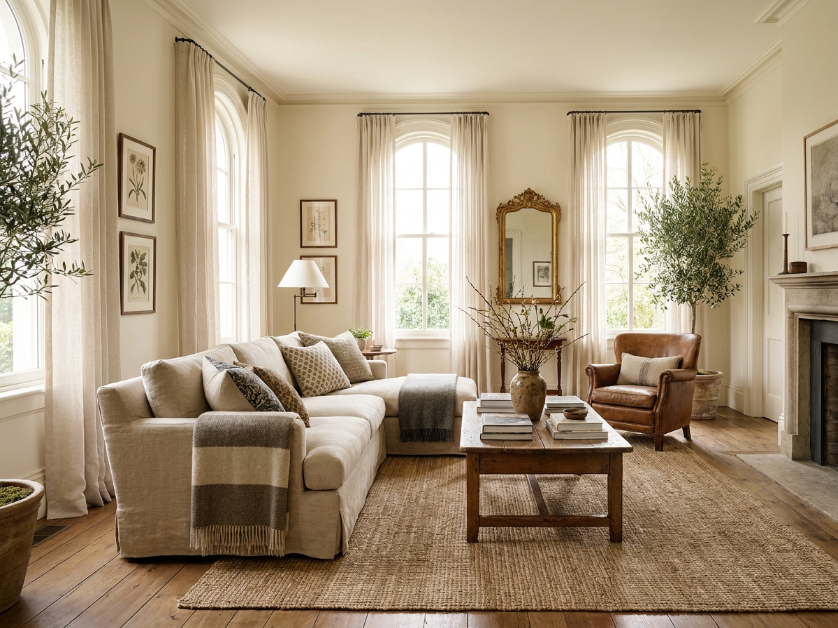
Here’s the thing most people get wrong: European home decor isn’t one single “look.” It’s more of a philosophy. Think of it as a design approach built around comfort, craftsmanship, and pieces that feel collected over time rather than bought all at once from a single store.
That’s exactly why it works so well for American homes right now. Instead of chasing the latest micro trend, European home decor gives you a foundation that stays relevant for years which is a big reason it keeps showing up on Pinterest boards and Google searches alike.
The Core Principles Behind European Home Decor
At its heart, European home decor follows a few simple, repeatable rules. The color palette tends to stay neutral and grounded, favoring creams, warm whites, taupe, and soft greens over stark white or bold, trend driven colors. Materials lean natural as well, with linen, wood, rattan, stone, and plaster showing up far more often than plastic or overly polished finishes. Instead of buying a matched furniture set, the approach favors layering mixing textures, eras, and finishes so the room feels gathered rather than staged. And every piece tends to serve a purpose, feeling intentional rather than purely decorative.
These principles are what give European home decor its signature “unfussy but elevated” feel a room that looks curated, not staged.
Old World Charm vs. Modern European Style
One common mix up is assuming European home decor always means antique furniture and heavy drapery. In reality, there are two main directions you can take.
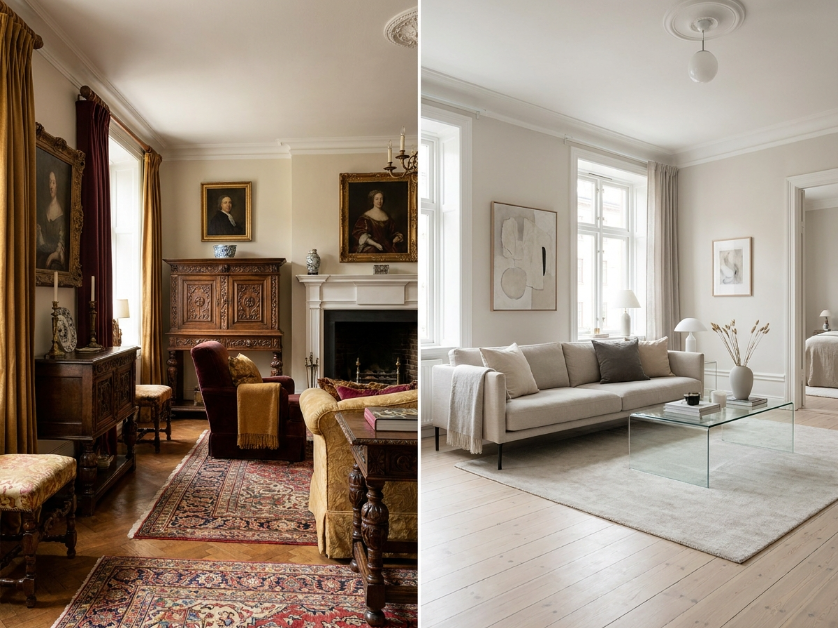
Old-World European style leans into ornate details, rich wood tones, vintage textiles, and a more formal, heritage inspired feel think French chateau or English countryside. Modern European style, on the other hand, strips things back. It keeps the natural materials and neutral palette but pairs them with cleaner lines, minimal clutter, and a more contemporary silhouette closer to what you’d see in a stylish apartment in Paris or Copenhagen today.
Knowing which direction resonates with you will make every decision going forward from furniture to color palette a lot easier.
European Home Decor Styles You Can Mix and Match
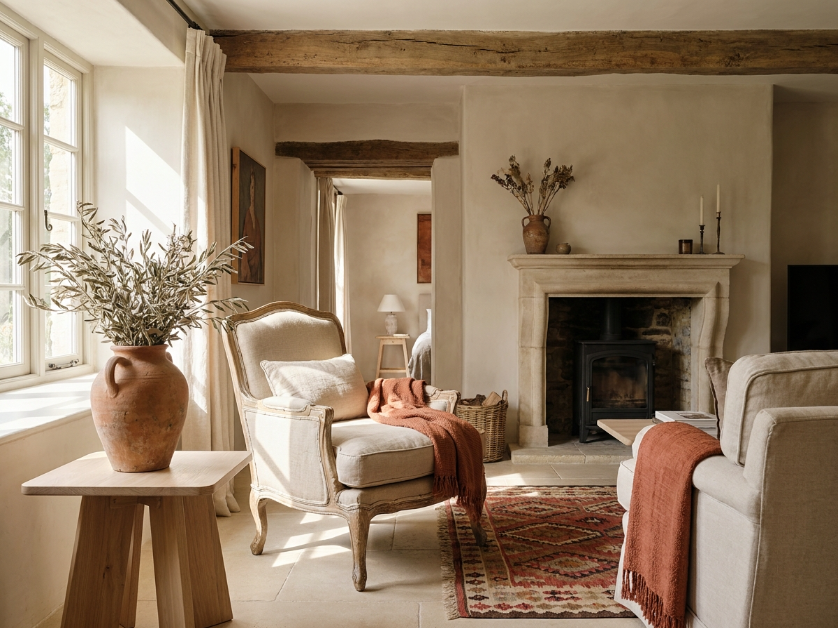
European home decor isn’t a single style it’s really an umbrella covering several regional aesthetics, each with its own personality. Knowing the differences helps you pick what actually fits your taste instead of randomly pinning things that don’t cohere.
French Country vs. Scandinavian: What’s the Difference?
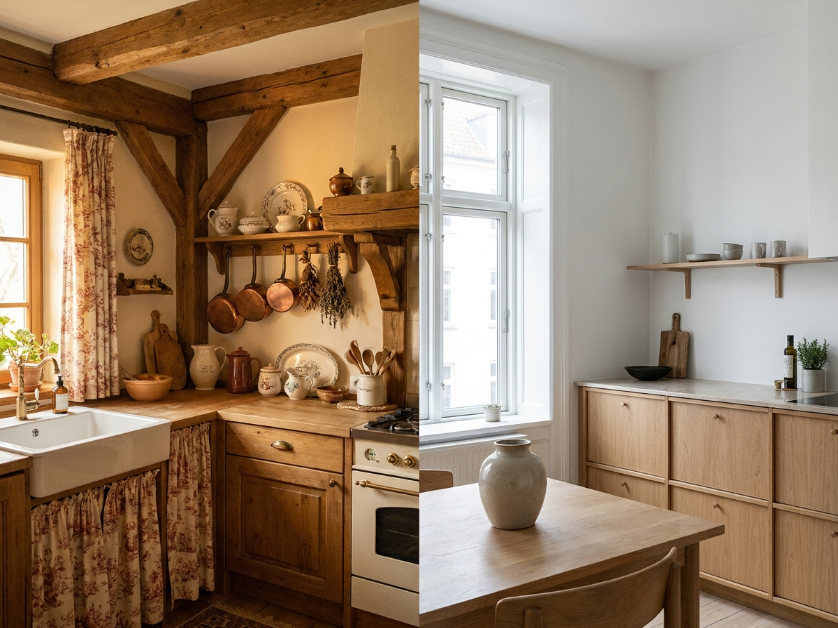
These two are often confused, but they sit at opposite ends of the European home decor spectrum. French Country is warm and romantic, built around weathered wood, soft florals, wrought iron accents, and a color palette of creams, dusty blues, and lavender. It feels a little rustic and a little elegant at the same time. Scandinavian style, on the other hand, is cooler and more minimal. It leans on light woods, crisp whites, and clean lines with almost no ornamentation. Where French Country feels cozy and layered, Scandinavian feels airy and pared-back.
If you love texture and warmth, French Country will speak to you more. If you prefer simplicity and light filled spaces, Scandinavian is your lane.
Mediterranean and English Cottage Influences
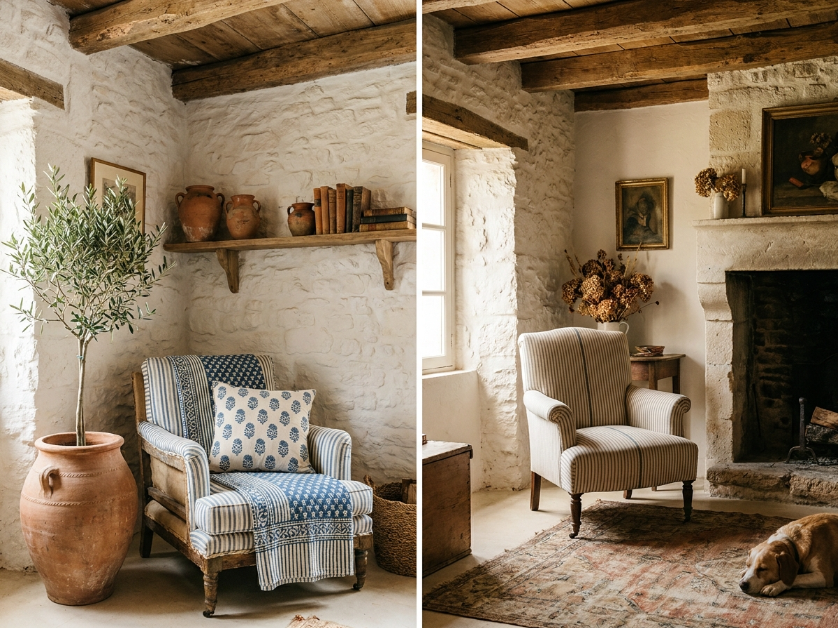
Two more regional styles are worth knowing here. Mediterranean style brings in terracotta tones, stucco textures, wrought iron, and pops of blue or ochre, drawing inspiration from coastal Italy, Spain, and Greece. It works especially well in sunnier US climates like California, Arizona, or Florida. English Cottage style, meanwhile, feels intimate and storybook-like, with floral prints, exposed wood beams, mismatched vintage furniture, and a slightly imperfect, “collected over generations” charm.
Both styles fall under the European home decor umbrella but bring very different moods to a room.
How to Blend Multiple European Styles in One Home?
You don’t have to commit to just one. Some of the most beautiful European home decor spaces mix elements from different regions, pairing Scandinavian furniture shapes with French Country color palettes for a softer minimalism, or adding Mediterranean textures like a terracotta vase or woven basket into an English Cottage living room. A helpful approach is using one style as your “base,” making up around 70 percent of the room, and borrowing accents from another style for the remaining 30 percent to avoid visual chaos.
The key is consistency in materials and color temperature even if the furniture styles vary, keeping your palette cohesive ties everything together.
European Home Decor vs. American Home Decor What Sets It Apart?
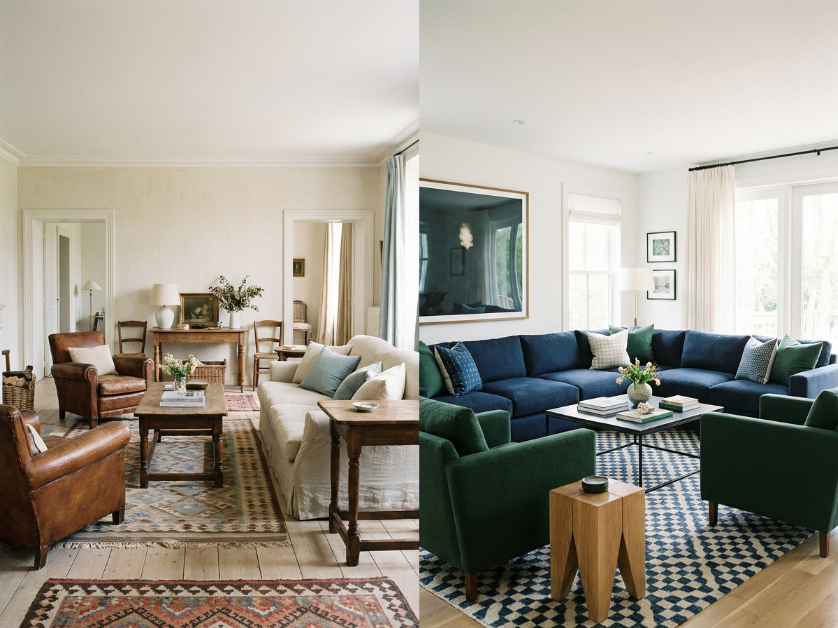
If you’ve spent any time comparing home tours online, you’ve probably noticed European home decor and typical American decor don’t quite look the same even when both are going for a “cozy, elevated” feel. The differences come down to a few key habits in how each culture approaches a room.
Why European Homes Feel More “Collected” Over Time?
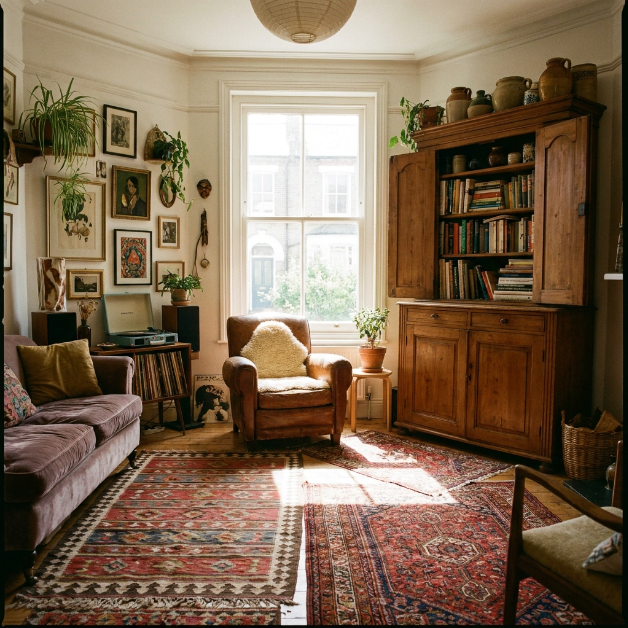
American home decor often leans toward matched sets a living room bought as a single collection from one store, with everything coordinated down to the throw pillows. European home decor takes the opposite approach. Instead, pieces are gathered slowly over time, whether it’s a vintage mirror found at a flea market, a chair passed down from a grandparent, or a rug picked up on a trip. Nothing matches perfectly, but everything feels intentional because of shared color tones and materials.
This “collected, not decorated” approach is actually easier on your wallet too, since you’re not buying a whole room at once but simply adding pieces as you find ones you love.
Space Planning Differences Between the Two Styles
The two styles also differ in how they use square footage. American homes tend to prioritize open concept layouts, larger furniture, and multi purpose great rooms, while European homes are often designed around smaller, more defined rooms a proper dining room, a separate sitting area which naturally lends itself to more intimate, layered styling.
You don’t need a European sized home to get the look, though. Even in a typical US layout, say a 1,500 square foot home, you can borrow this idea by creating distinct “zones” within an open floor plan using rugs, furniture groupings, and lighting instead of walls.
The Best Materials and Textures for an Authentic European Look
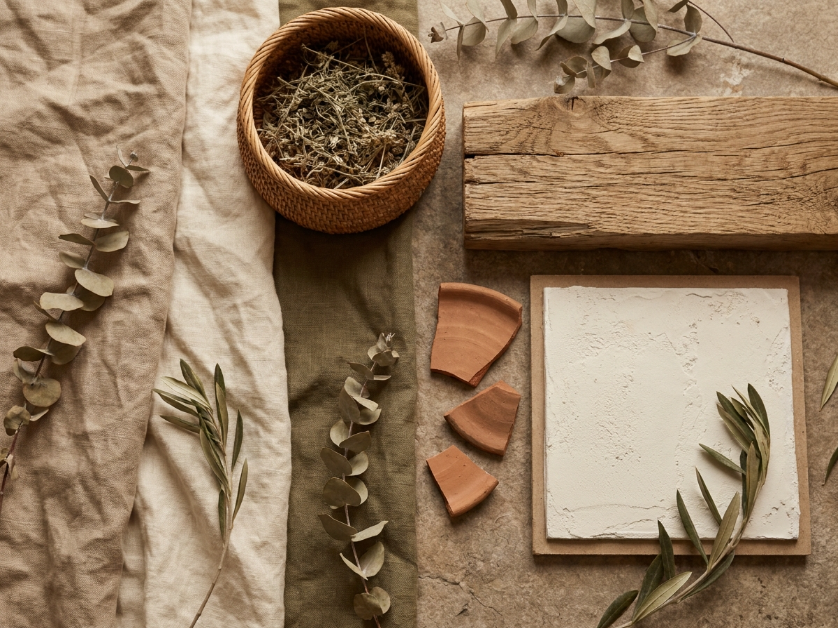
Materials do a lot of the heavy lifting in European home decor. Even if your furniture is simple, the right textures instantly make a space feel authentic instead of like a generic “farmhouse” knockoff.
Natural Fabrics That Instantly Elevate a Room
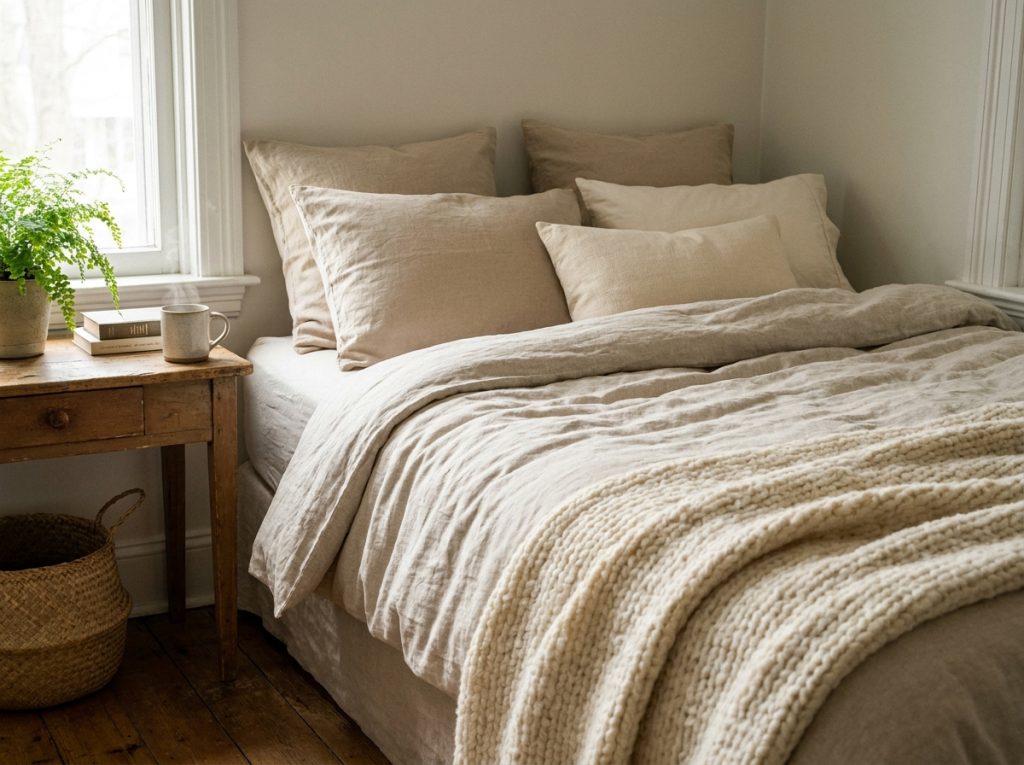
Skip synthetic blends where you can. European home decor leans heavily on natural fibers because they age beautifully and add subtle texture without trying too hard. Linen is a favorite for curtains, slipcovers, and throw pillows, since it wrinkles naturally and adds to that relaxed, lived in feel. Wool works well for area rugs and throws, especially in cooler months, while cotton offers a more budget friendly option for bedding and lighter upholstery.
A simple swap, like replacing polyester curtains with linen ones, can shift an entire room’s feel without a big renovation.
Wall Finishes: Limewash, Plaster, and Textured Paint
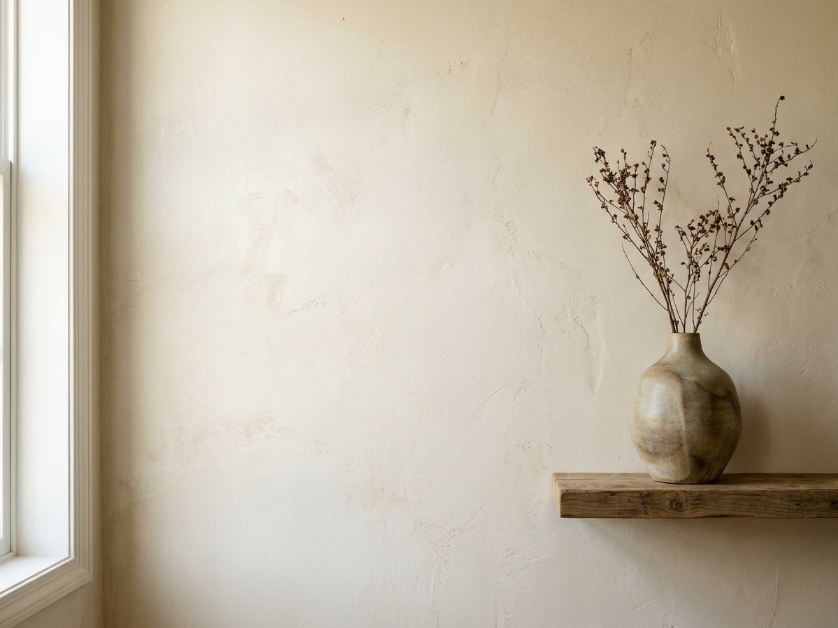
One of the biggest 2026 trends in European home decor is moving away from flat, single tone walls toward finishes with actual depth. Limewash paint creates a soft, cloudy, slightly aged texture that’s especially popular in bedrooms and dining rooms. Venetian plaster gives walls a subtle sheen and old world richness, often used as an accent wall rather than throughout an entire room. For a similar effect at a lower cost, textured or lightly troweled paint offers an easier DIY friendly alternative.
These finishes catch light differently throughout the day, which is part of what makes European style rooms feel so dynamic instead of flat and builder grade.
How to Bring European Home Decor Into Every Room
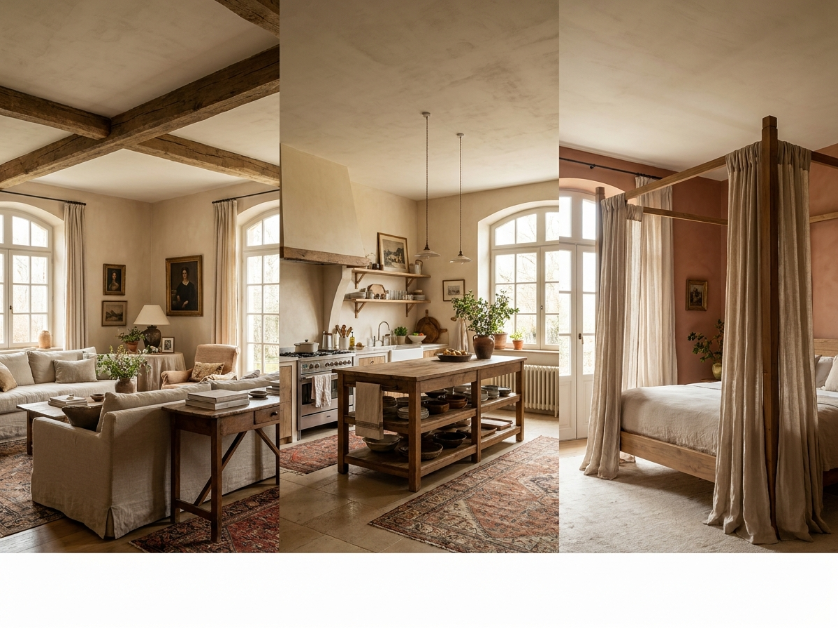
Understanding the style is one thing actually applying it room by room is where most people get stuck. Here’s how to translate European home decor into the spaces you use every day.
Living Room Styling Ideas
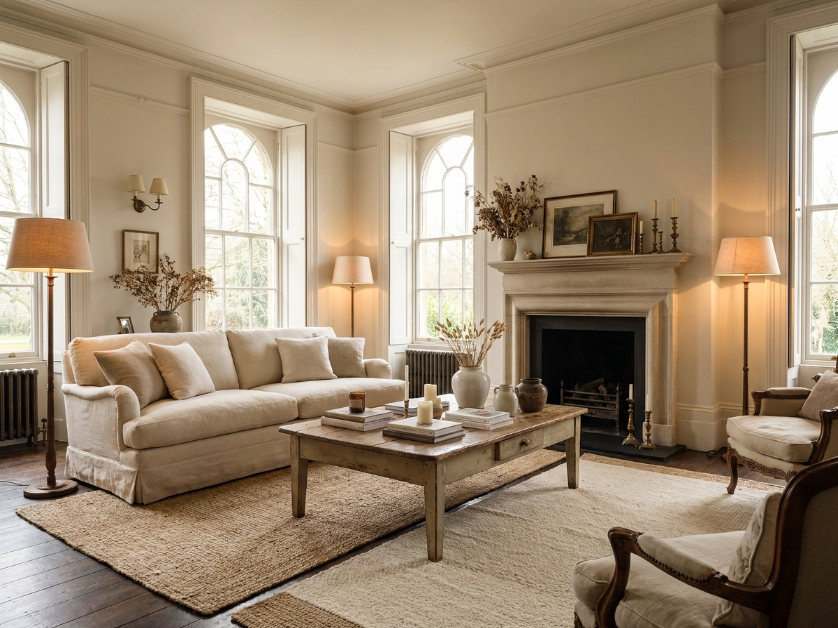
The living room is usually where European home decor makes the biggest first impression. Start by anchoring the room with a substantial, comfortable sofa in a neutral fabric like linen or boucle, then add a vintage or vintage style coffee table instead of a mass produced modern one. Layering a wool or jute area rug under your seating area helps define the space, and mixing in one or two antique or antique look accents, such as a mirror, a side table, or brass candlesticks, adds that finishing touch.
The goal is a room that feels gathered over time, not furnished in a single trip.
Kitchen and Dining Updates:
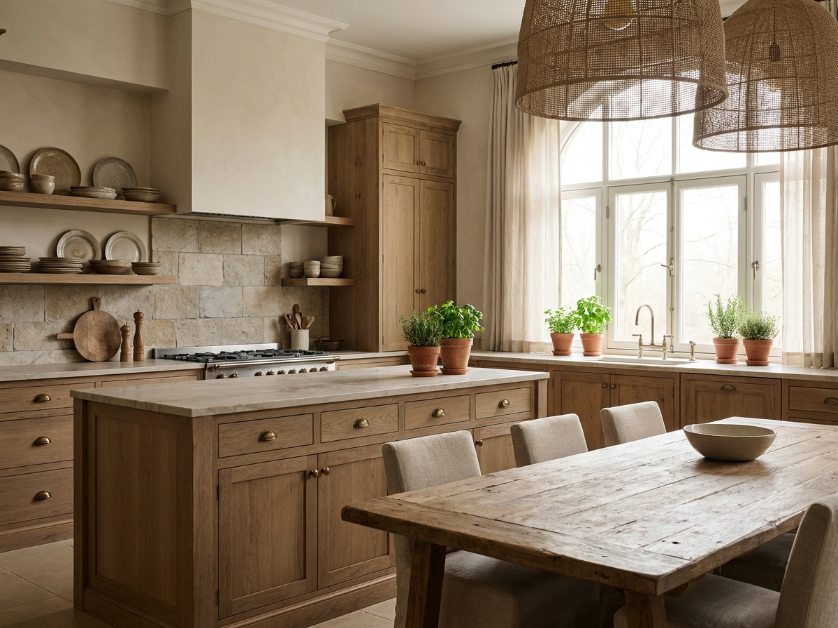
You don’t need a full renovation to bring European home decor into the kitchen. Swapping out modern cabinet hardware for aged brass or unlacquered brass pulls makes an instant difference, as does adding open shelving with simple ceramic dishware instead of closed cabinets everywhere. In the dining area, a linen table runner paired with mismatched vintage style dining chairs feels far more European than a matched set, and a pendant light with a rattan or woven shade over the table ties the whole look together.
Even small changes like these signal European inspired styling without a big budget.
Bedroom and Bathroom Touches
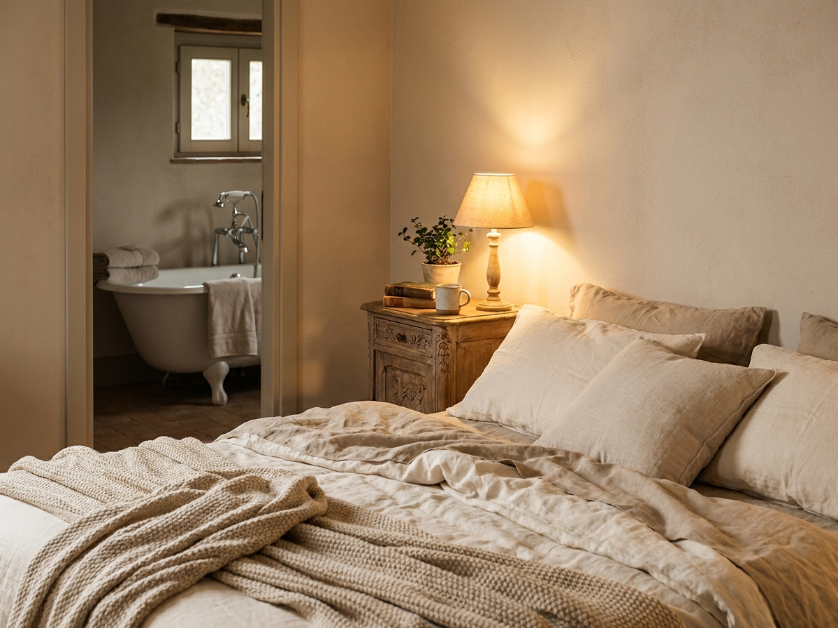
These rooms are where you can lean into softness and calm. Dressing the bed in linen or linen-blend bedding in warm neutrals is one of the easiest upgrades, and adding a woven bench or vintage stool at the foot of the bed brings in texture. In the bathroom, swapping plastic accessories for ceramic, stone, or wood alternatives instantly elevates the space, and using soft, warm lighting instead of harsh overhead fixtures makes it feel more like a retreat.
These smaller, personal spaces are often the easiest place to start if you’re testing out European home decor before committing to bigger rooms.
European Home Decor Color Palettes for Every Season
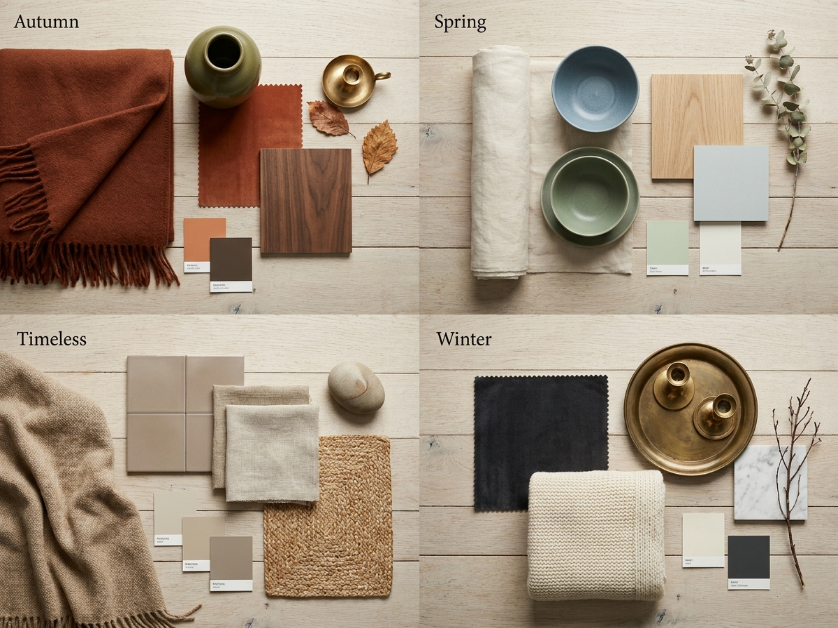
One thing that keeps European home decor feeling fresh instead of static is how easily the palette shifts with the seasons without needing a full redecorate. Small color adjustments through textiles and accents go a long way.
Warm, Earthy Tones for Fall and Winter
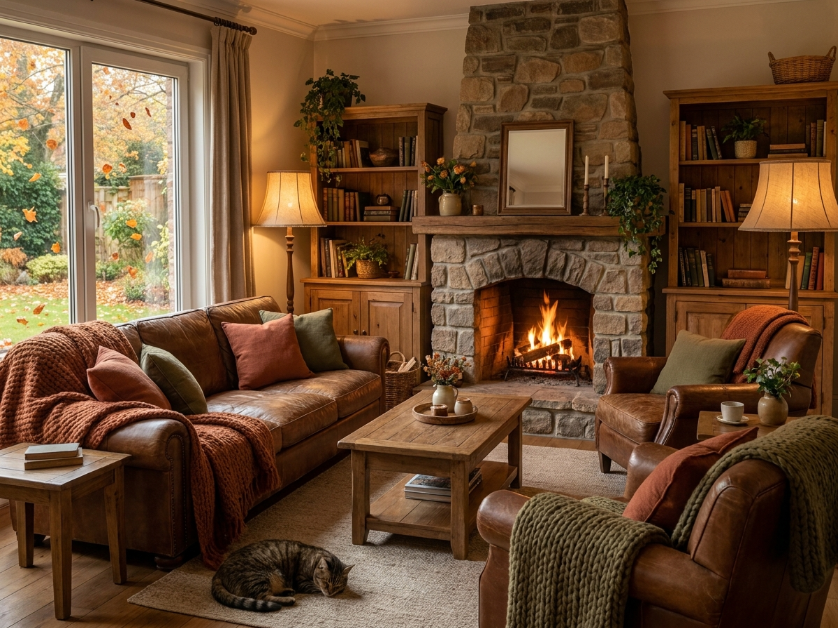
As the weather cools, European home decor palettes tend to lean into deeper, grounding tones. Terracotta brings a warm, earthy feel and works especially well in throw pillows or ceramic vases, while olive green pairs beautifully with wood tones and brass accents.
You don’t need to repaint walls for this shift swapping out a few textiles, like a throw blanket, cushion covers, or a table runner, is enough to bring in that cozy, fall winter feel.
Soft, Airy Palettes for Spring and Summer
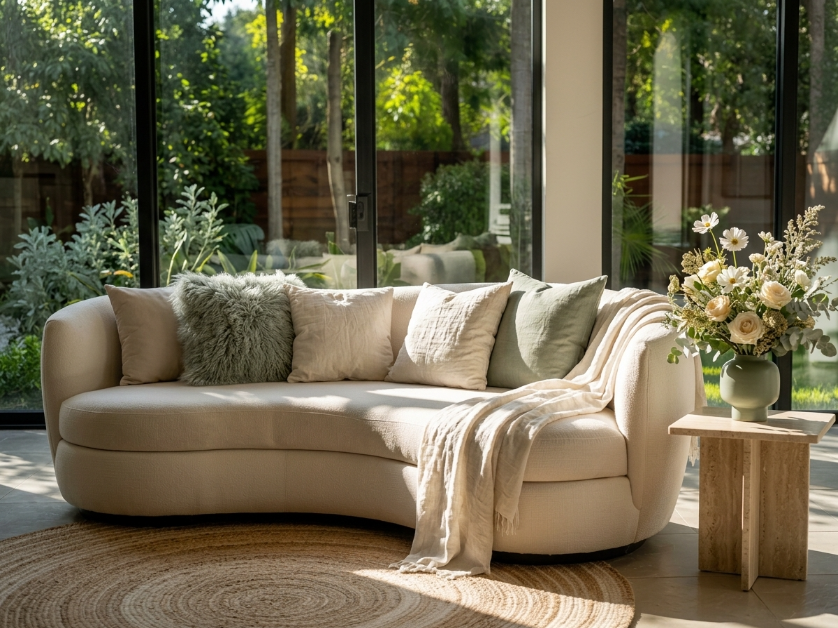
Come spring, European home decor palettes typically lighten up. Cream and warm white keep things bright without feeling stark, while sage green offers a soft, muted tone that works year round but feels especially fresh in warmer months.
Again, this doesn’t require new furniture fresh flowers, lighter linens, and swapping heavier textiles for breathable cotton or linen versions are usually enough to make the shift.
European Home Decor Trends to Know in 2026
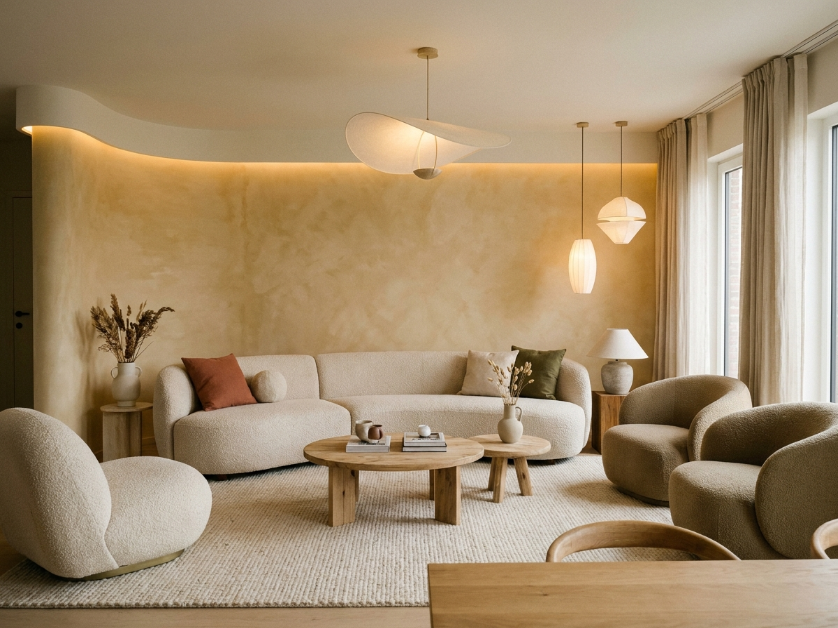
Like any style, European home decor evolves. Here’s what’s actually gaining traction in 2026 and what’s starting to feel dated so your space stays current instead of stuck in a Pinterest phase from a few years back.
Colors and Materials Gaining Popularity
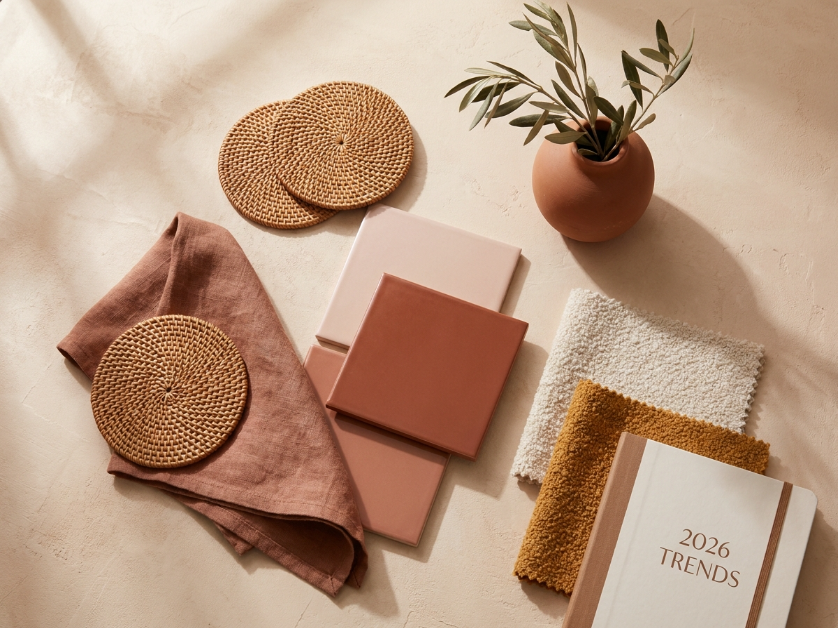
A few trends are showing up consistently in 2026 European home decor spaces across the US. Warm, buttery neutrals are replacing the cooler greige tones that dominated the last several years, and unlacquered brass continues to trend over chrome or stainless finishes for hardware and fixtures. Curved furniture silhouettes, like rounded sofas, arched mirrors, and scalloped edges, are softening the more boxy shapes that were popular before, while handmade, imperfect pottery and ceramics are being chosen over perfectly uniform, mass produced pieces.
What’s Fading Out of Style?
A few things are starting to feel out of place in updated European home decor spaces. All white, stark minimalist kitchens with no warmth or texture are losing favor, as are overly matched furniture sets bought as a single collection. Cool toned gray color schemes throughout an entire home are also feeling dated, along with faux “farmhouse” decor, like mass produced signs and barn door accents, that leans more novelty than authentic.
Budget Friendly Ways to Get the European Home Decor Look
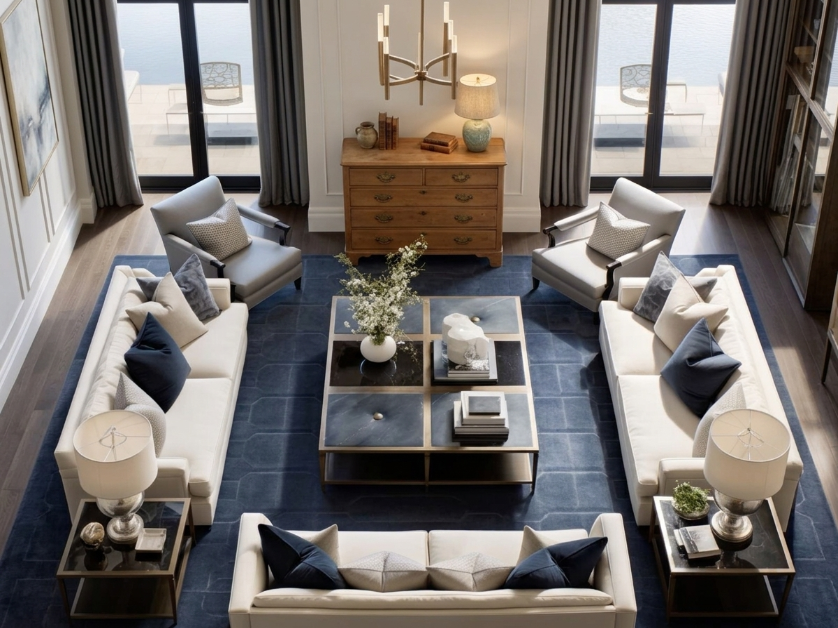
One of the biggest myths about European home decor is that it requires a big budget. In reality, some of the most authentic looking spaces are built from thrifted finds and smart, affordable swaps rather than expensive imports.
Thrifted and Vintage Finds That Work
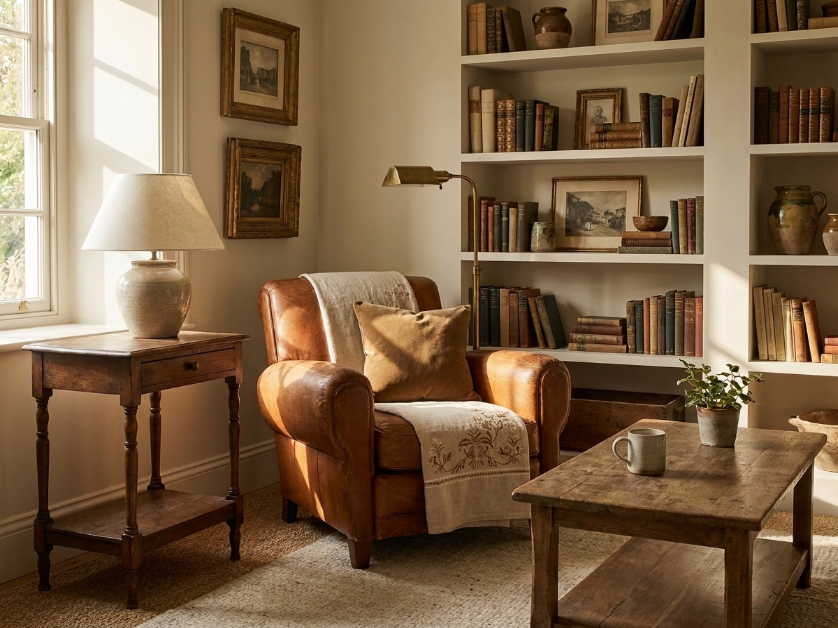
Secondhand shopping is actually one of the best ways to nail European home decor, since the style celebrates pieces that look collected rather than brand new.
A single vintage find, like an old brass mirror or a weathered wood side table, can do more for authenticity than several new “European style” pieces from a big box store.
Affordable Alternatives to Statement Antique Pieces
If you can’t find the real vintage version, plenty of retailers now make budget-friendly pieces designed to mimic that European home decor look. Look for “antiqued” or “distressed” finishes on new furniture, which mimic decades of wear, and consider linen look fabric blends if 100 percent linen is out of budget, since they offer similar texture at a lower price point.
Budgeting tip: spend more on one or two “anchor” pieces, like a sofa or dining table, and save on the smaller accents that’s usually where you can get away with more affordable options without it looking cheap.
How Much Does It Cost to Decorate a Home in European Style?
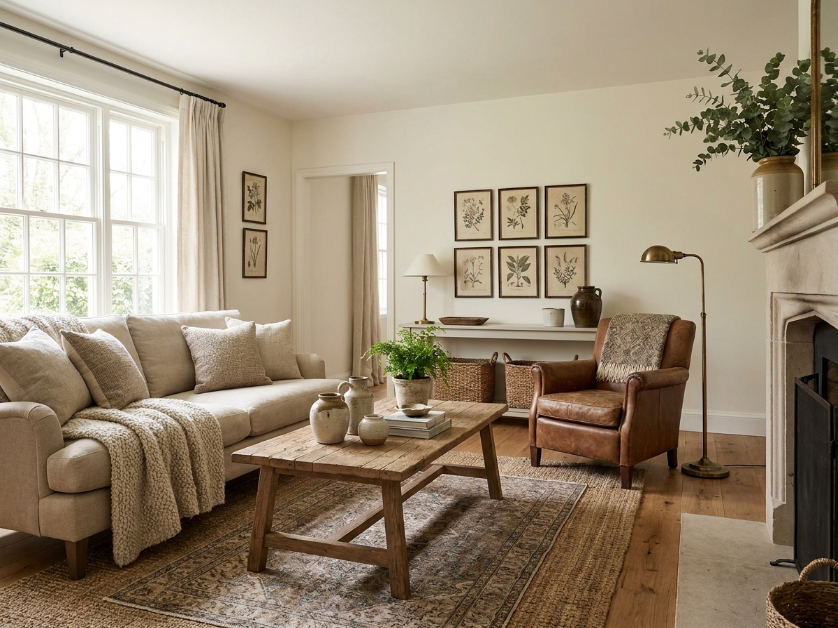
This is one of the most common questions people ask before committing to a European home decor makeover and the honest answer is: it depends entirely on how much of the home you’re tackling and where you shop.
Low, Mid, and High Budget Breakdown
For a single room, like a living room, styled in European home decor, a low budget of around $300 to $800 usually covers thrifted furniture, a few new textiles such as linen pillow covers and a throw blanket, swapped out hardware, and a DIY paint or wall texture project. Stepping up to a mid range budget of roughly $800 to $2,500 allows for a mix of thrifted and new furniture, a quality area rug, updated lighting fixtures, and a professionally applied wall finish like limewash. At the higher end, spending $2,500 and full wall treatments such as Venetian plaster.
Where to Splurge vs. Where to Save
Not every element in a European home decor room deserves the same level of investment. A quality sofa, a real wood dining table, and one or two genuine vintage or antique pieces are worth splurging on, since they get used daily and tend to hold up beautifully over time.
This kind of prioritizing lets you get an authentic European home decor look without needing to spend big across every category at once.
How to Shop for European Home Decor Without Traveling to Europe?
You don’t need a suitcase and a plane ticket to bring authentic European home decor into your space. Between US retailers that specialize in the aesthetic and online marketplaces for genuine vintage pieces, everything you need is more accessible than it might seem.
US Retailers and Brands That Nail the European Aesthetic
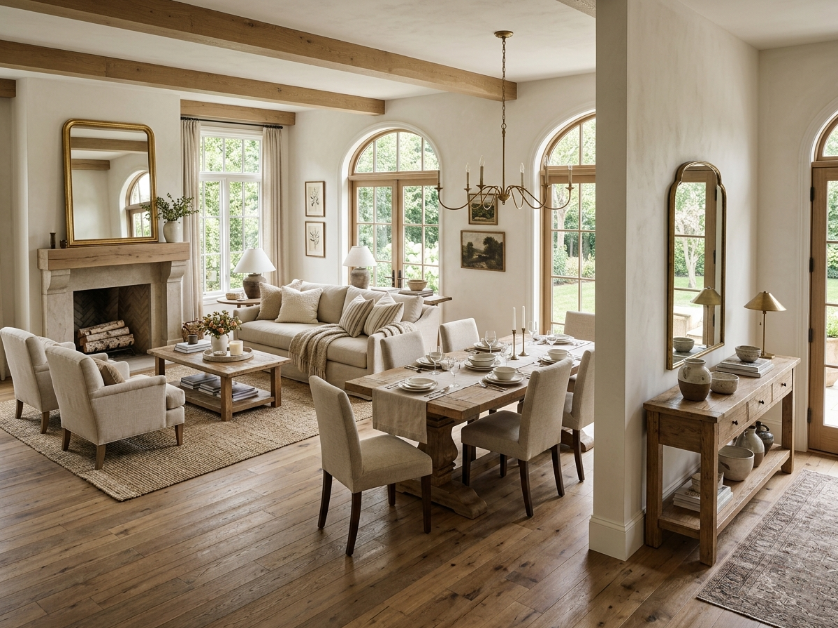
Several American retailers have leaned into the European home decor look in recent years, making it far easier to shop domestically. Stores known for natural materials, relaxed linens, and vintage inspired silhouettes are a good starting point, and many midrange home brands now carry limewash effect paint, rattan furniture, and antiqued brass hardware as standard offerings rather than niche imports
Shopping domestically also means faster shipping and easier returns compared to ordering furniture from overseas.
Online Marketplaces for Authentic Vintage European Pieces
For genuinely vintage or antique pieces, a handful of online marketplaces have become go-to sources for American shoppers. Sites like Chairish and 1stDibs specialize in curated vintage and antique furniture, including plenty of authentic European imports, while Etsy is a solid option for smaller decor items like ceramics, linens, and vintage art at a lower price point.
Buying vintage this way not only supports the “collected over time” feel that defines European home decor, but it’s often more sustainable and unique than buying new.
Common European Home Decor Mistakes to Avoid
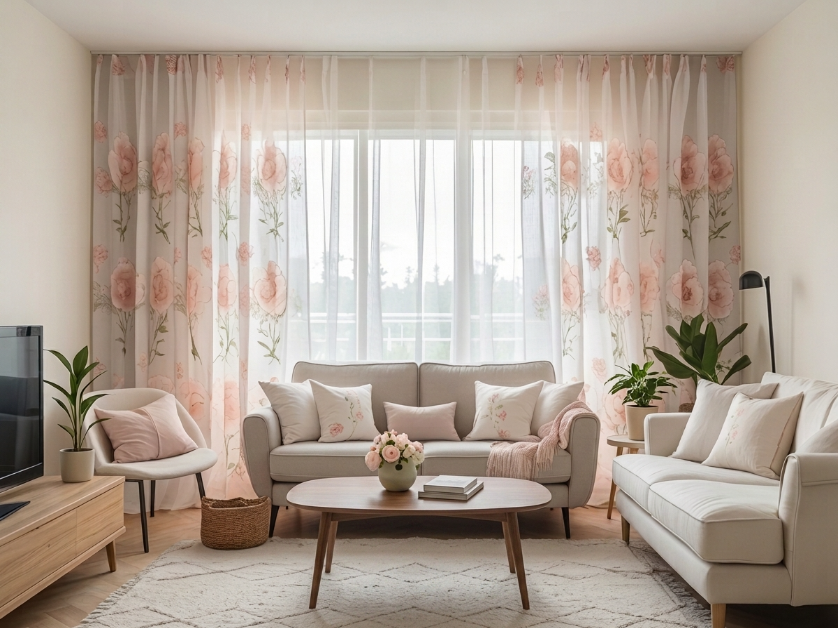
Even with the best intentions, it’s easy to miss the mark when styling for European home decor. A couple of common mistakes tend to show up again and again, and knowing them ahead of time can save you from a room that feels off instead of elevated.
Overdoing the “Shabby Chic” Look
One of the most frequent missteps is confusing European home decor with heavy, all over distressing. Piling on too much peeling paint, chalk finish furniture, and mismatched florals can tip a room into looking cluttered or overly themed rather than authentically European.
A good rule of thumb is to let one or two pieces carry that worn-in character while keeping walls, floors, and larger furniture relatively simple.
Ignoring Scale and Proportion in Furniture Choices
Another common mistake is bringing in furniture that’s either too small or too large for the room, which throws off the whole European home decor effect. A dainty accent chair can get lost in a large living room, while an oversized armoire can overwhelm a smaller bedroom.
Before buying a statement piece, it’s worth measuring the room and mapping out the layout first, so everything from the sofa to the coffee table feels proportional rather than crowded or sparse.
Is European Home Decor Worth It for Small Spaces or Rentals?
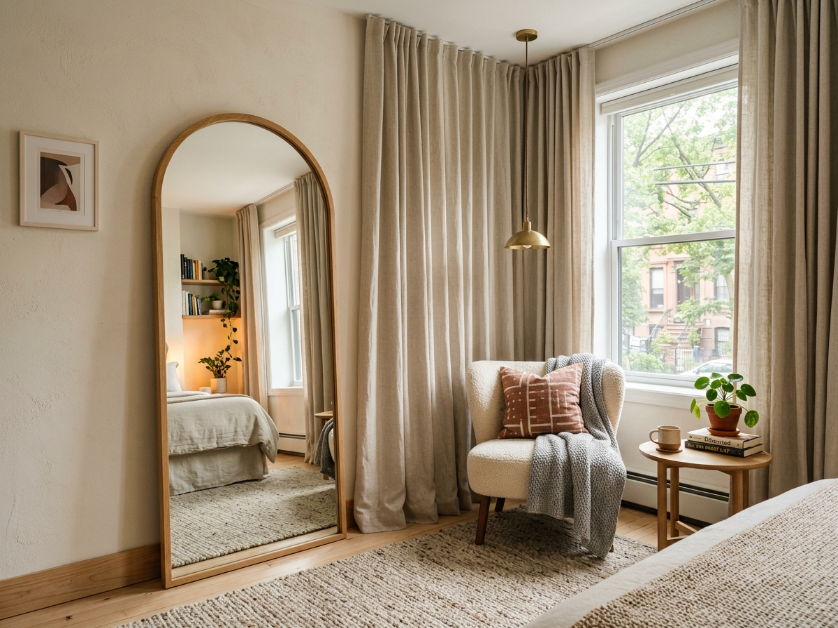
A common concern people have is whether European home decor even works outside of a large, traditional home. The good news is that the style actually translates well to smaller spaces and rentals, as long as you adapt a few of the techniques.
Small Apartment Styling Tricks
In a smaller apartment, European home decor works best when you focus on quality over quantity. Choosing a few well made pieces, like a good sofa or a solid wood dining table, instead of filling every corner with furniture keeps the space feeling curated rather than cramped. Mirrors are especially useful in tighter layouts, since they bounce light around the room while doubling as a classic European accent.
Vertical elements, like tall bookshelves or floor to ceiling curtains, can also help draw the eye upward and make ceilings feel higher than they actually are.
Renter-Friendly Ways to Add the Look Without Renovating
Renters often assume European home decor requires permanent changes like wall finishes or built-in shelving, but most of the look can be achieved without touching the walls at all. Removable wallpaper is a great way to mimic a limewash or plaster texture without a paint job, and peel and stick tile can transform a kitchen backsplash temporarily.
With a bit of creativity, even a standard rental can take on a European home decor feel without risking a security deposit.
European Home Decor Lighting Ideas That Set the Mood
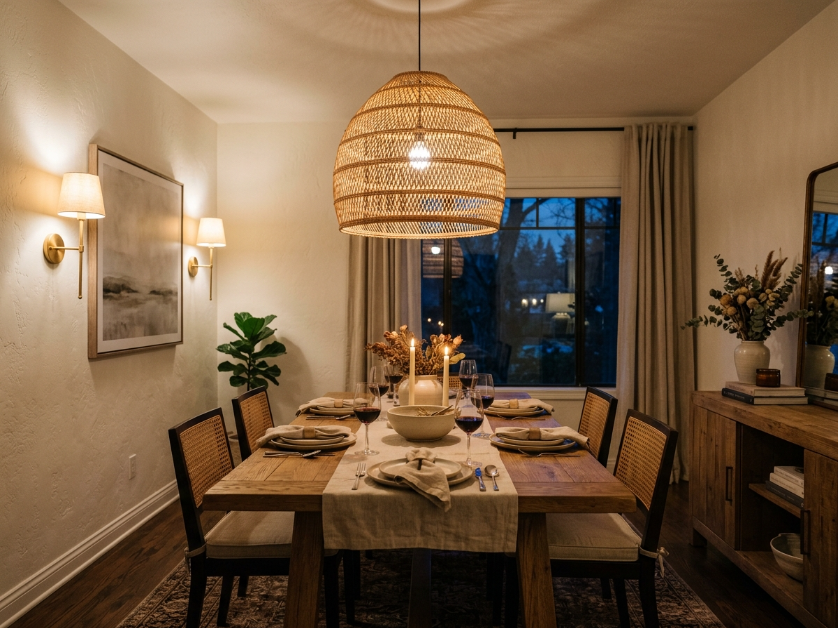
Lighting can make or break a European inspired room. Even with the right furniture and colors, a space can still feel flat if the lighting is off. European home decor leans on warm, layered light instead of harsh overhead bulbs, and that’s what gives these rooms their cozy, elegant glow.
If you’ve ever wondered why a European style living room in a Pinterest photo feels so inviting, lighting is usually a big part of the answer.
Statement Fixtures That Anchor a Room
A single statement fixture can set the tone for an entire room. In European home decor, this often means a chandelier, an oversized pendant, or a pair of classic sconces.
Look for fixtures with detail, such as curved iron, aged brass, or glass beading. A wrought iron chandelier over a farmhouse dining table, brass sconces flanking a bathroom mirror, or a linen-shade pendant light in a reading corner are all simple ways to bring this look into a US home.
Layered Lighting for a Warmer, Softer Glow
One overhead light rarely creates the mood European interiors are known for. Instead, this style relies on layering three types of light: ambient, task, and accent. Ambient lighting is your main light source, like a ceiling fixture or chandelier. Task lighting includes lamps for reading, cooking, or working. Accent lighting highlights art, shelves, or architectural details in the room.
A simple way to test this at home is to turn off your main overhead light one evening and rely only on lamps and sconces instead. That soft, golden glow is the effect European home decor is going for, warm, intimate, and never too bright.
European Inspired Wall Art and Gallery Wall Ideas
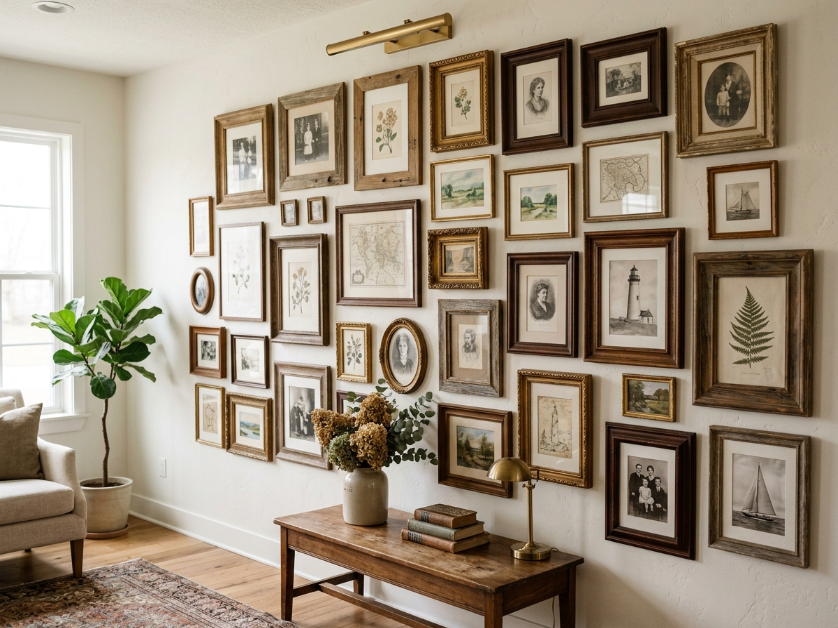
Walls are often the last thing people decorate, but in European home decor, they carry a lot of the room’s personality. Instead of matching art sets from a big box store, this style leans on pieces that feel personal, a little mismatched, and collected over time rather than bought in one trip.
A well styled wall can turn a plain American living room or hallway into something that feels like it belongs in a countryside home in France or Italy.
Choosing Art That Feels Collected, Not Curated From a Catalog
European interiors rarely use art that looks like it came as a matching set. Instead, the look is built around vintage prints, old oil paintings, botanical sketches, or even a simple sketch picked up from a flea market or estate sale.
Frames don’t need to match either. A mix of aged gold, dark wood, and simple black frames actually adds to the charm. If buying original art feels out of budget, reprints of classic European paintings or simple line-art prints can create the same effect for a lot less money.
How to Build a European Style Gallery Wall?
A gallery wall is one of the easiest ways to bring this look into a US home without a full renovation. Start by laying the frames out on the floor first, mixing different sizes and shapes instead of keeping everything uniform.
For an authentic European feel, mix in a small mirror or a decorative plate among the framed art. This breaks up the layout and adds texture, which is a small detail that makes a big difference in how finished the wall looks.
Bringing European Home Decor Outdoors: Patio and Porch Ideas
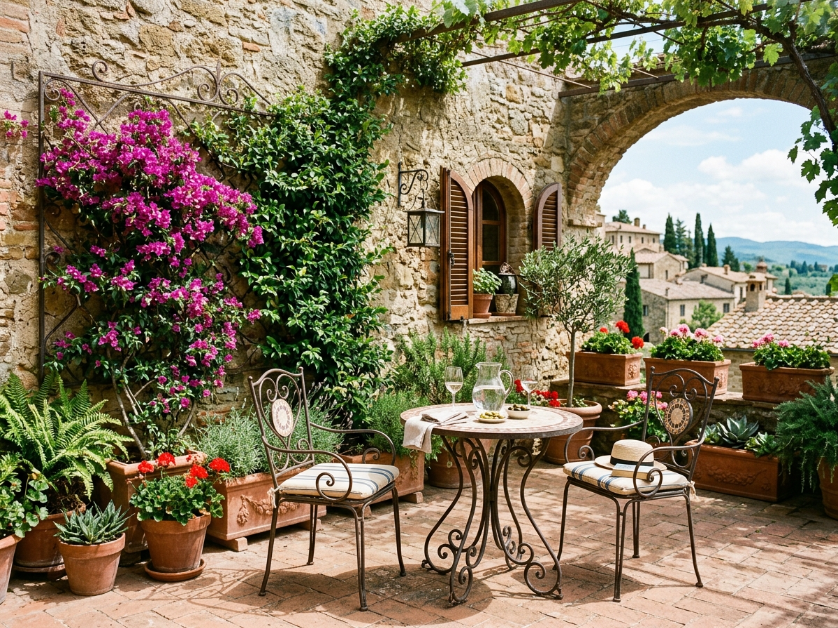
European home decor doesn’t have to stop at the front door. Patios, porches, and small balconies can carry the same warm, old-world charm with the right furniture, materials, and greenery. This is especially popular with US homeowners looking to extend their living space outdoors during the warmer months.
Whether you have a full backyard patio or just a small apartment balcony, these ideas can help bring that European feel outside.
Furniture and Materials for an Old World Outdoor Feel
Wrought iron is a staple of European outdoor spaces, and it works just as well on a Charleston style porch as it does on a small city balcony. Iron bistro sets, curved back chairs, and small round tables bring an elegant, slightly vintage look without feeling fussy.
The goal is furniture that looks like it’s been there for years, not something fresh out of a big box store display.
Greenery and Planters That Complete the Look
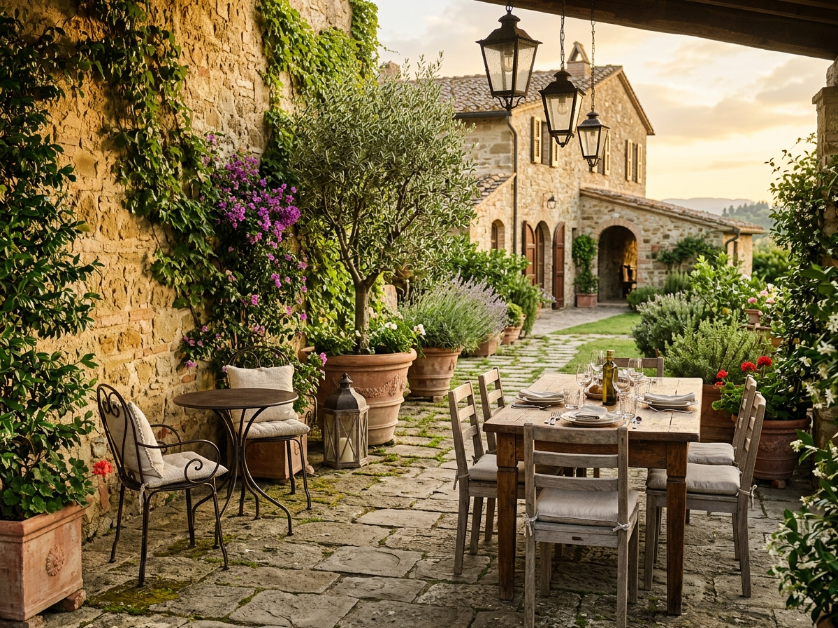
No European style outdoor space feels finished without greenery. Terracotta pots are a classic choice, and they work well for herbs, small trees, or trailing plants. Grouping a few different sizes together, rather than lining up matching pots, creates a more natural, collected look.
Keep landscaping simple and structured rather than overly manicured. A few clipped hedges, some potted lavender, or a small herb garden by the door are all it takes to complete the look.
Frequently Asked Questions:
What is European home decor style called?
It’s most commonly called “European home decor” or “Old World style,” though it also overlaps with terms like French country, Italian countryside, or classic European interiors. All these terms describe a warm, elegant look built around natural materials, muted colors, and vintage inspired furniture rather than trendy, mass-produced pieces.
How do I get the European home decor look on a budget?
Start with secondhand or thrifted furniture, vintage mirrors, and neutral paint colors instead of buying everything new. Small, affordable changes like swapping hardware, adding a fabric shade lamp, or framing a few vintage style prints can create an authentic European feel without a full room renovation or a large budget.
What colors are used in European home decor?
European home decor relies on soft, muted colors like cream, beige, warm white, sage green, and dusty blue. These shades create a calm, neutral base that lets natural materials and vintage furniture stand out, giving rooms a timeless, elegant feel instead of a bold or trendy one.
Is European home decor still trending in 2026?
Yes, European home decor remains one of the top interior design trends in 2026. Its focus on natural materials, warm neutrals, and timeless furniture over fast trends keeps it popular on Pinterest and Google searches, especially as homeowners move away from stark, minimalist styles toward cozier, character-filled spaces.
What’s the difference between European and modern farmhouse decor?
Modern farmhouse decor is casual and rustic, often using shiplap, black and white palettes, and barn style accents. European home decor is more refined and elegant, mixing vintage furniture, softer color palettes, and classic architectural details. Both feel warm, but European style leans more sophisticated and less countryside-casual.
What furniture is best for European style homes?
Look for furniture with curved lines, carved wood details, and a slightly worn or vintage finish. Pieces like upholstered armchairs, wooden dining tables, wrought iron accents, and antique-style cabinets work well. Mixing old and new pieces, rather than matching furniture sets, creates the most authentic European look.
How much does it cost to redecorate a room in European style?
Costs vary widely, but a budget refresh with paint, thrifted furniture, and new lighting can start around $300 to $800 per room. A more complete redesign with new furniture, art, and lighting fixtures can range from $1,500 to $5,000 or more, depending on room size and material choices.
Can European home decor work in a small apartment or rental?
Yes, European home decor adapts well to small spaces and rentals. Removable wallpaper, vintage style lighting, layered textiles, and a curated gallery wall can bring the look into a small apartment without permanent changes, making it a practical style choice for renters across the US.
What makes a home look “European” without being overly formal?
Mixing casual, everyday pieces with a few elegant accents keeps the look approachable. Soft neutral colors, natural textures like linen and wood, and slightly imperfect, collected decor prevent the space from feeling stiff or overly formal, while still capturing that classic European charm.
Is European home decor the same as vintage or antique decor?
Not exactly. European home decor often includes vintage or antique pieces, but it’s a broader style focused on materials, color palettes, and overall mood rather than strictly old items. You can achieve the look with new furniture designed to have a classic, old-world feel.
What plants or greenery fit a European home decor style?
Terracotta pots, olive trees, lavender, and climbing vines like ivy or jasmine are classic choices. These plants add texture and a natural, slightly wild feel that pairs well with European interiors, both indoors near windows and outdoors on patios, porches, or balconies.
How do I mix European decor with pieces I already own?
Start by adding a few key European style elements, like a vintage mirror, warm lighting, or a gallery wall, rather than replacing everything. Neutral paint colors and natural textiles can help tie existing furniture together, allowing you to blend current pieces with new European inspired accents gradually.
What lighting works best for a European-inspired home?
Warm, layered lighting works best, combining a statement fixture like a chandelier or sconces with softer lamps and accent lights. Avoid harsh, bright overhead lighting. Fixtures with detail, such as aged brass or wrought iron, add character while creating the cozy, golden glow associated with European interiors.
Does European home decor work with modern/minimalist furniture?
Yes, many homeowners blend European accents with modern or minimalist furniture for a fresh, balanced look. Adding a vintage mirror, an antique side table, or classic lighting to an otherwise modern room creates contrast and warmth without making the space feel cluttered or overly traditional.
Final Thoughts
Wraps up with encouragement to start small, reinforces the timeless appeal, soft CTA to explore more guides on the blog.