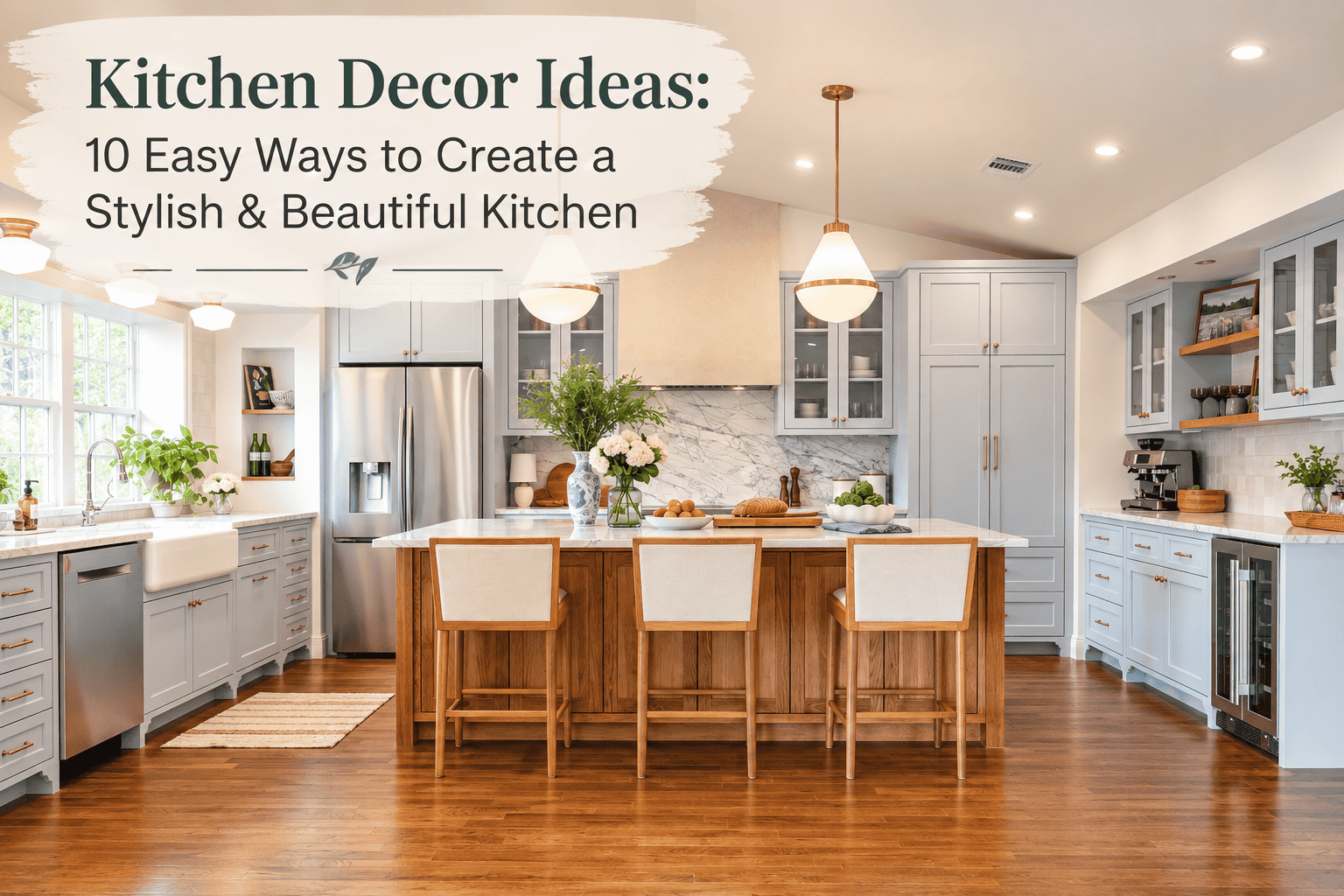
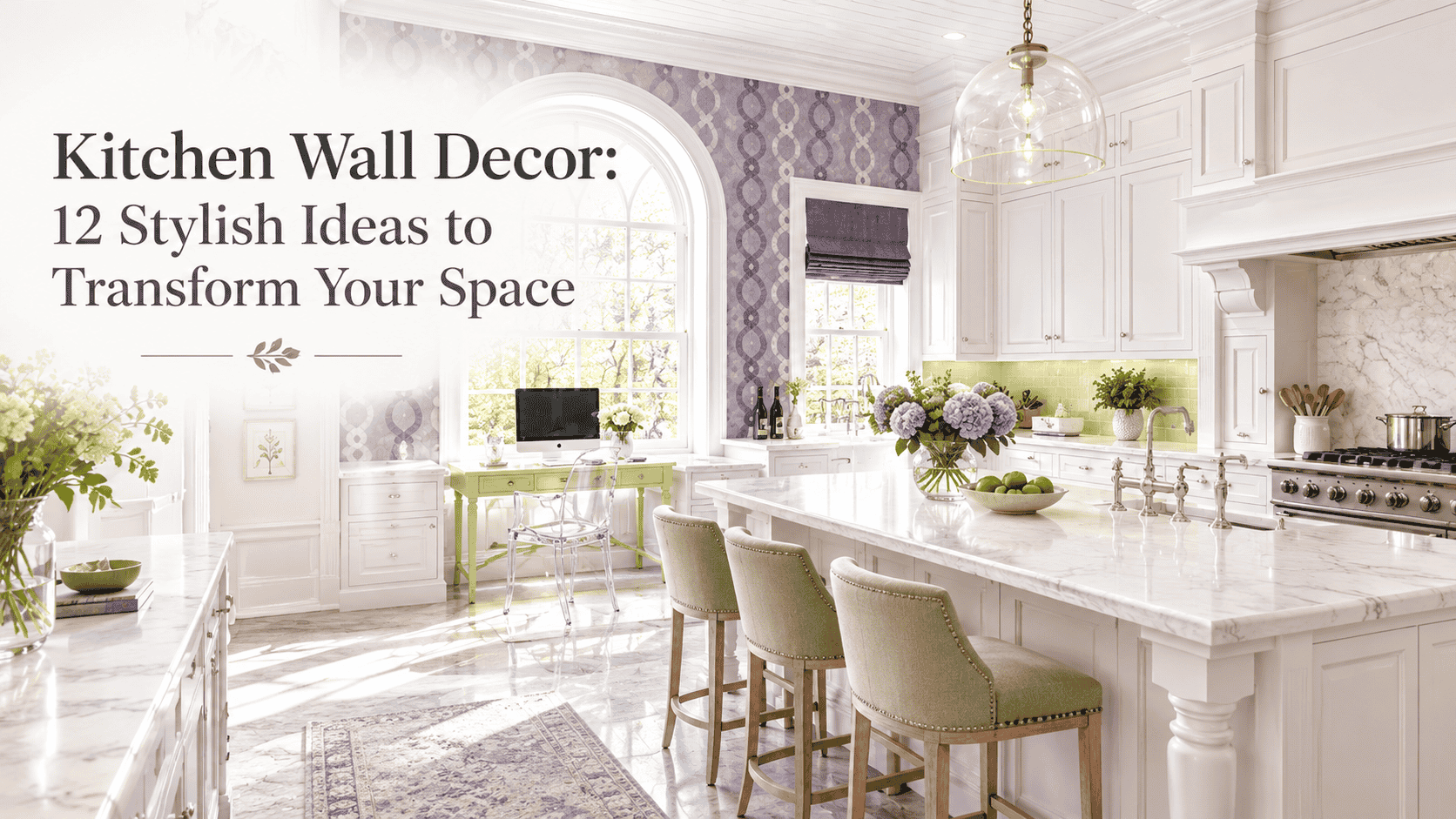
Discover 14 modern kitchen decor ideas for 2026, from warm wood accents and stylish lighting to elegant countertops, small space solutions, and budget friendly updates.
Modern kitchen decor is about creating a kitchen that looks beautiful, feels welcoming, and works efficiently for everyday life. In 2026, modern interiors are moving beyond cold, all white spaces toward warmer colors, natural textures, streamlined storage, and thoughtful decorative details. Whether you have a spacious open-plan kitchen or a compact apartment kitchen, the right styling choices can make your space feel more polished without requiring a complete renovation.
The best modern kitchen decor combines simplicity with personality. Clean cabinet fronts, carefully selected accessories, attractive lighting, and coordinated finishes create a sophisticated appearance without making the room feel empty or impersonal. Instead of filling every surface with decorations, focus on a few elements that complement your kitchen’s existing colors, materials, and layout.
You do not need an expensive remodeling project to create a modern look. Small changes, such as replacing outdated cabinet handles, introducing a wooden serving board, adding a stylish pendant light, or organizing your countertops, can make a noticeable difference. The key is to choose details that improve both appearance and functionality.
In this guide, you will discover 14 modern kitchen decor ideas for 2026, along with practical advice on choosing colors, styling shelves, decorating countertops, and making smaller kitchens feel more spacious. Each idea can be adapted to different budgets, kitchen sizes, and personal decorating styles.
What Makes Modern Kitchen Decor Different?

Modern kitchen decor emphasizes clean lines, balanced colors, useful storage, and carefully selected materials. Rather than relying on excessive ornaments or complicated patterns, modern kitchens allow cabinetry, countertops, lighting, and architectural details to create visual interest. The result is a space that feels organized and intentional.
However, modern does not have to mean cold or minimalist to the point of being uncomfortable. Warm wood, textured ceramics, soft fabrics, greenery, and personal accessories can make a contemporary kitchen feel more inviting. The most successful designs balance simplicity with enough warmth and character to reflect the people who use the space.
Current kitchen design research also points toward natural materials, streamlined details, and spaces designed around everyday activities. The National Kitchen & Bath Association’s 2026 Kitchen Trends Report discusses these directions, including the growing interest in wood finishes, statement lighting, and functional beverage areas.
14 Stylish Ideas for 2026
1. Combine Warm Wood with Neutral Colors
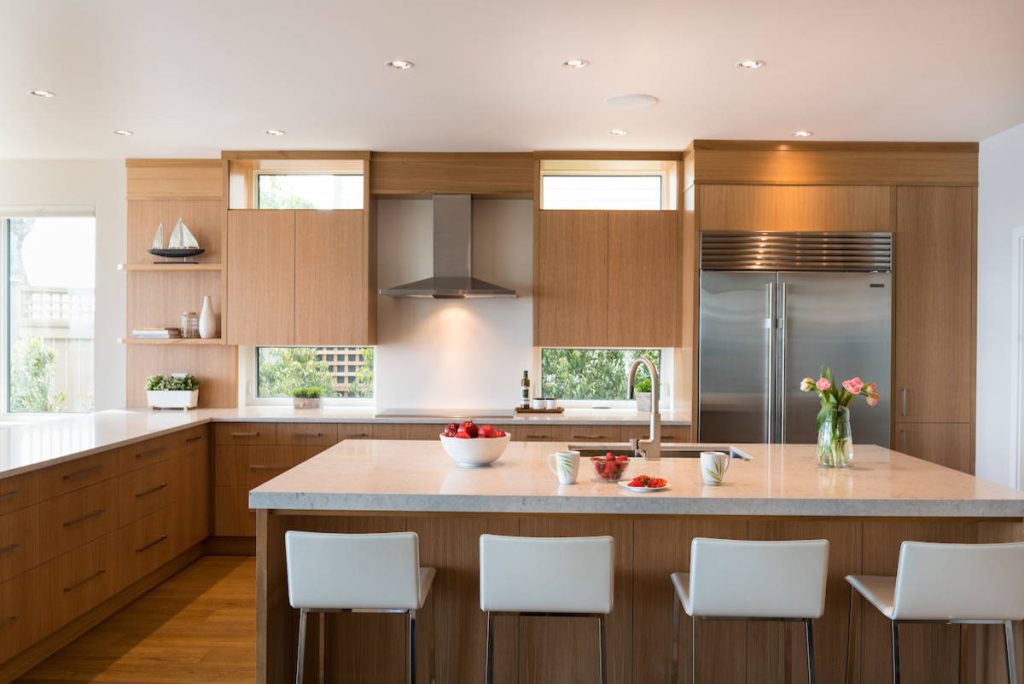
Warm wood is one of the most effective ways to make modern kitchen decor feel welcoming. Although white and gray kitchens remain popular, natural oak, walnut, and other wood finishes introduce depth and texture. These materials soften the appearance of sleek cabinetry and create a connection between contemporary design and natural elements.
You can introduce wood through cabinet doors, floating shelves, bar stools, cutting boards, or a decorative tray. If your kitchen already has white cabinets, consider adding medium-toned wood accessories to create contrast without overwhelming the room. For kitchens with dark cabinets, lighter oak accents can make the overall design feel brighter and more balanced.
How to Choose the Right Wood Tone
Light oak works particularly well in Scandinavian-inspired kitchens because it creates an airy, relaxed atmosphere. Walnut offers a richer appearance that suits sophisticated modern spaces, especially when paired with cream, beige, charcoal, or soft white. Medium natural wood tones are versatile and can complement both warm and cool color schemes when selected carefully.
Try to repeat the same wood tone in two or three places rather than introducing many unrelated finishes. For example, oak shelves, wooden stools, and a matching serving board can create a consistent visual connection. The goal is not to make every wooden object identical but to ensure that the different finishes work together.
2. Style Kitchen Countertops with Carefully Selected Accessories
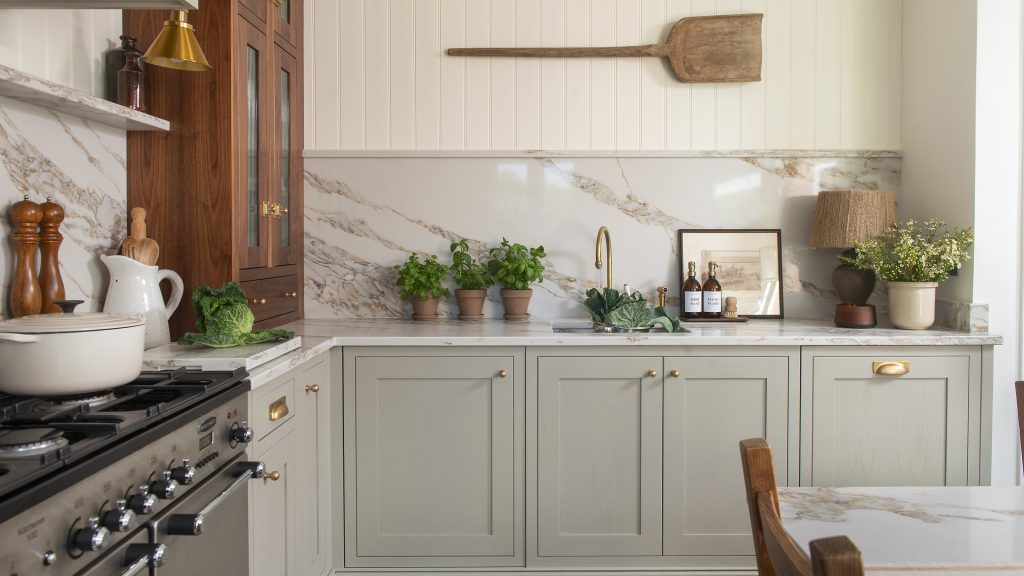
Countertops are among the most visible surfaces in a kitchen, so their appearance can strongly influence the overall design. Modern kitchen decor generally benefits from a combination of open workspace and a small number of attractive accessories. Keeping most everyday items organized allows the countertop material and surrounding cabinetry to remain visible.
Start by removing items that rarely need to stay on the counter. Then identify the objects you use frequently, such as cooking oil, salt, a utensil holder, or a coffee machine. Arrange these items in practical groups instead of spreading them across the entire surface. This makes the kitchen easier to clean while creating a more deliberate decorative arrangement.
Create a Simple Countertop Display
A wooden tray can hold a small collection of cooking essentials, while a ceramic utensil holder adds texture beside the stove. A compact vase with fresh greenery can soften a corner that otherwise looks empty. If you have a beautiful stone countertop, choose accessories that complement its veining or color rather than covering the surface.
Pay attention to scale when arranging decorative objects. A very large vase can interfere with food preparation, while several tiny accessories may create visual clutter. Choose a few pieces with different heights and textures, and leave enough clear space for cooking. This balance makes modern kitchen decor attractive without sacrificing practicality.
3. Upgrade Cabinet Handles and Hardware
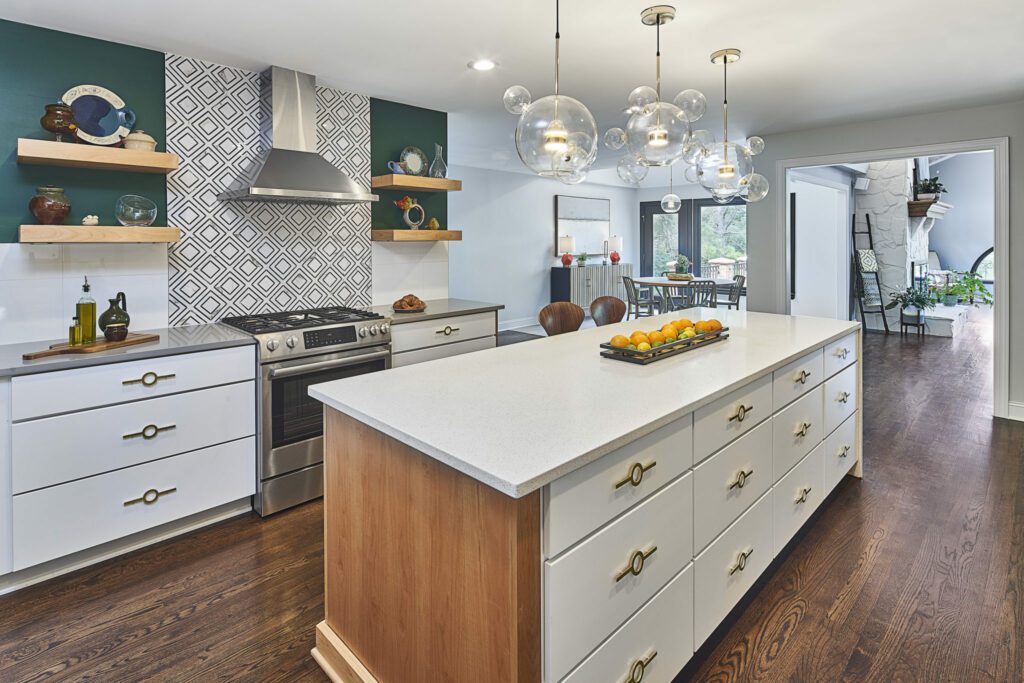
Cabinet hardware may be small, but it can have a surprisingly large effect on the appearance of a kitchen. Outdated handles can make otherwise attractive cabinets look older, while streamlined hardware can create a cleaner and more contemporary finish. Replacing handles is also one of the simplest updates for homeowners who want a fresh look without changing their cabinetry.
Matte black handles create definition against white, cream, or light wood cabinets. Brushed brass adds warmth to neutral kitchens, while stainless steel and brushed nickel suit understated contemporary interiors. If you prefer a particularly minimal appearance, simple edge pulls or handleless cabinetry can reduce visual interruptions across cabinet fronts.
Choose Hardware That Matches Your Kitchen
Before purchasing new handles, measure the distance between the existing screw holes. Choosing replacements with the same spacing can simplify installation and reduce the need to drill new holes. Also consider the size of your cabinets: long horizontal pulls may suit wide drawers, while smaller handles can look more proportionate on narrow doors.
Avoid mixing too many hardware finishes without a clear design plan. Two complementary metals can work beautifully, such as brass cabinet pulls with a stainless-steel faucet, but adding several unrelated finishes may make the room feel disjointed. Repeating a finish in a few locations helps create visual consistency.
4. Add Statement Lighting Above the Island or Dining Area

Lighting is an essential part of modern kitchen decor because it influences both the appearance and usability of the space. A well chosen pendant light can serve as a decorative focal point while illuminating an island or breakfast bar. Sculptural shapes, simple geometric forms, glass shades, and understated metal finishes are all worth considering when choosing contemporary lighting.
For an island, consider a pair or group of pendant lights that suit its length and the height of the ceiling. The fixtures should feel proportionate rather than too small to make an impact or so large that they dominate the room. If your kitchen is compact, a single well-designed pendant may provide enough visual interest without overcrowding the ceiling.
Layer Ambient, Task, and Accent Lighting
Beautiful decorative lighting is only part of a successful kitchen plan. Ambient lighting provides general illumination, task lighting helps you work safely at countertops, and accent lighting highlights selected features. Under-cabinet lights, for example, can illuminate food preparation areas while adding a soft glow in the evening.
Warm or neutral-white light can make wood, cream cabinetry, and natural stone feel inviting. However, the best lighting color depends on your finishes and personal preference. If you are replacing multiple fixtures, compare their light appearance before purchasing to avoid noticeable differences between neighboring areas.
For inspiration on planning a functional kitchen, consult the National Kitchen & Bath Association, which provides professional resources on kitchen design and planning.
5. Choose a Coordinated Kitchen Color Palette

A coordinated color palette gives modern kitchen decor a polished appearance. Instead of selecting every finish independently, choose a small group of colors that work together across cabinets, walls, countertops, flooring, and accessories. This creates continuity and helps the room feel designed rather than assembled from unrelated pieces.
Warm white, cream, beige, taupe, and natural wood provide a versatile foundation. If you want more character, introduce muted sage, deep blue, olive, or charcoal through an island, backsplash, bar stools, or decorative accessories. These colors can add personality while allowing the rest of the kitchen to remain relatively calm.
How to Balance Light and Dark Colors
If your kitchen receives limited natural light, lighter wall colors and reflective surfaces can help it feel brighter. You can still introduce darker elements through hardware, pendant lights, or a contrasting island. In a large, naturally bright kitchen, deeper cabinet colors may create an elegant and dramatic effect.
Test paint samples in the actual kitchen before committing to a color. Morning sunlight, afternoon light, and artificial lighting can change how a shade appears. Look at the samples beside your countertop and cabinet finishes, because a color that looks attractive on its own may clash with the undertones of existing materials.
6. Create a Stylish Backsplash

A backsplash is both a practical surface and an opportunity to introduce personality. It protects walls from splashes while connecting cabinets, countertops, and appliances visually. In modern kitchen decor, the backsplash may be understated and seamless or serve as a feature through texture, pattern, or a contrasting color.
Large-format tiles can create a clean appearance with fewer grout lines, while classic rectangular tiles offer flexibility in layout. Natural stone and stone-look surfaces can complement warm wood and neutral cabinetry. For a more distinctive design, consider a vertical stack pattern, subtle geometric tile, or a backsplash that extends higher behind the cooking area.
Match the Backsplash to Existing Materials
If your countertop has prominent veining or a dramatic pattern, a quieter backsplash may create a more balanced result. Conversely, a simple countertop can provide the perfect background for a patterned tile or textured surface. Consider how the backsplash will look beside cabinet doors, wall paint, outlets, and any visible appliances.
Practicality matters as much as appearance. Cooking zones may require materials that tolerate heat and are easy to clean, and installation requirements vary by product. Before purchasing tile, stone, or another backsplash material, review the manufacturer’s maintenance guidance and confirm that the product is appropriate for its intended location. For more inspiration, explore this guide to choosing a kitchen backsplash from Homes & Gardens.
7. Decorate Open Shelves with a Balanced Arrangement
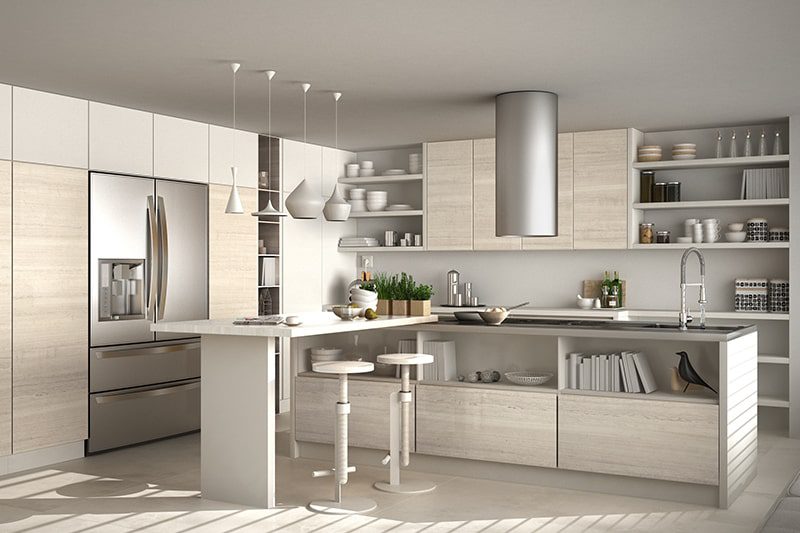
Open shelving can make a kitchen feel more personal and visually open, especially when it replaces a small section of bulky upper cabinetry. It also provides an opportunity to display attractive everyday objects rather than hiding everything behind cabinet doors. However, shelves work best when the displayed items are organized and the arrangement leaves some open space.
Start with items that you genuinely use, such as matching plates, drinking glasses, mugs, and serving bowls. Add a few decorative pieces, perhaps a small framed print, a ceramic vase, or a wooden bowl. Grouping similar colors and materials creates a calmer arrangement than displaying unrelated objects in every available space.
Keep Kitchen Shelves Functional
Avoid placing frequently used cooking items too high or displaying delicate objects where they could be knocked over. Shelves near the stove may collect grease, so choose items that are easy to clean and avoid placing heat-sensitive objects in unsuitable locations. Heavy dishes should only be displayed on shelves that are properly installed and rated to support their weight.
If you want more ideas for styling shelves, visit HomeStylingGuide’s kitchen shelves decor ideas article. You can use the suggestions to coordinate displayed dishes, containers, decorative objects, and storage with the rest of your kitchen.
8. Introduce Natural Materials and Organic Textures

Natural textures make modern kitchen decor feel less rigid and more inviting. Wood, stone, linen, woven fibers, ceramic, and handmade-looking finishes can add visual depth without requiring bright colors or elaborate patterns. These materials are especially useful when your kitchen has flat cabinet fronts and other smooth, contemporary surfaces.
You can introduce organic textures through a wooden bowl, woven storage basket, ceramic vase, linen café curtain, or stoneware serving pieces. Even a small number of contrasting textures can prevent a neutral kitchen from looking flat. For example, smooth white cabinets can look more interesting beside a textured ceramic vase and a natural oak cutting board.
Use Texture Without Creating Clutter
The secret is to vary materials while keeping the overall color scheme coordinated. Too many baskets, rustic accessories, and decorative containers may make a modern kitchen look more traditional than intended. Select items that have a clear purpose or contribute something distinctive to the design.
Durability should also guide your choices. Materials exposed to water, cooking grease, and frequent handling may need more maintenance than decorative objects placed away from work areas. Keep delicate textiles and untreated wood away from locations where they could become stained or damaged, and follow the care instructions for each material.
9. Add a Kitchen Runner for Color and Comfort

A kitchen runner can introduce color, pattern, and softness into a space dominated by hard surfaces. It can also visually connect the cabinets, flooring, and nearby dining area. This is especially useful in long galley kitchens, where a runner helps create a more intentional design from one end of the room to the other.
Choose a pattern that complements your existing finishes. A muted geometric design works well in a contemporary kitchen, while subtle stripes can create a relaxed and timeless look. If your cabinetry and backsplash already have strong patterns, a simple solid-color runner may provide a better balance.
Choose a Runner That Works for Everyday Life
The kitchen is a high-traffic area, so prioritize a rug that is easy to clean and appropriate for the floor surface. Low-pile materials are often easier to maintain than thick, plush rugs. Look for a product with suitable dimensions and a backing or separate rug pad that helps prevent movement.
Avoid placing a runner where it blocks cabinet doors, interferes with appliances, or creates a tripping hazard. Keep it away from open flames and other heat sources, and check the manufacturer’s cleaning and safety recommendations. A runner should make the kitchen more comfortable without adding unnecessary maintenance.
10. Bring in Greenery and Fresh Herbs
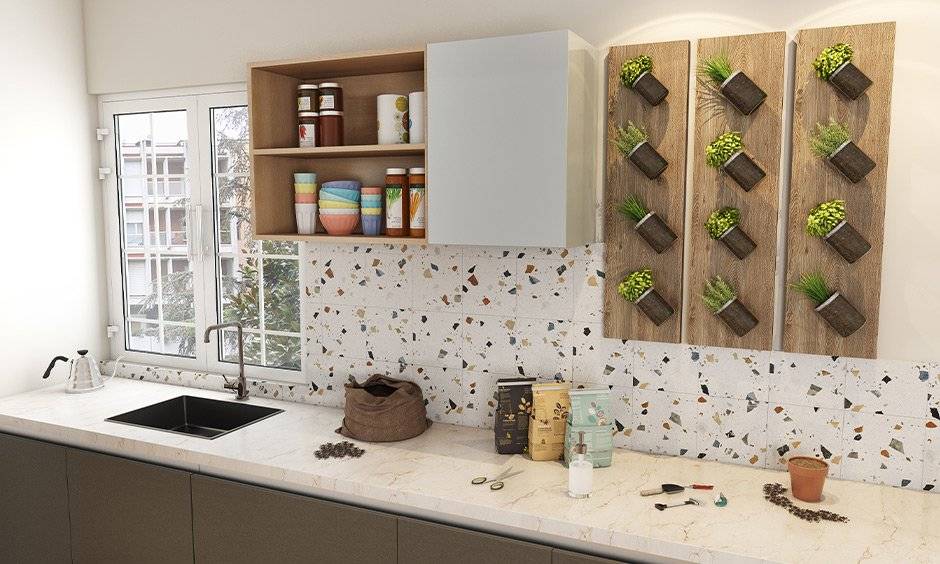
Plants can soften the straight lines of modern cabinetry and introduce a natural element into the room. A small herb pot near a bright window, a compact plant on an open shelf, or a vase of fresh foliage can make the kitchen feel lively without changing its main design features.
Fresh herbs such as basil, mint, and parsley can be attractive and useful if the kitchen provides suitable light and growing conditions. If natural light is limited, choose plants that tolerate the available conditions or use decorative greenery designed for indoor display. Avoid assuming every plant will thrive beside a window, because sunlight intensity and temperature can vary significantly.
Style Plants Without Crowding the Countertop
A single plant in a ceramic pot may be enough to brighten a corner. If you want a small group, vary the height slightly but keep the containers coordinated. White, terracotta, stone, or muted neutral pots can complement a wide range of modern kitchen palettes.
Place plants where they will not interfere with food preparation or become exposed to excessive heat, steam, or splashes. Use waterproof saucers when needed and clean around the containers regularly. Greenery is most effective when it adds freshness to the kitchen rather than competing with every other decorative detail.
11. Use Wall Art to Add Personality

Wall art helps modern kitchen decor feel personal rather than overly staged. A carefully selected print can introduce color, reinforce the kitchen’s style, or create a focal point on a wall that otherwise looks empty. Simple botanical illustrations, abstract artwork, food-inspired prints, and minimalist photography can all work in contemporary kitchens.
Choose artwork that complements the colors already present in the room. For example, a print with warm beige and brown tones may coordinate with oak cabinets, while a muted blue design can introduce contrast into a cream kitchen. If the room already contains several strong visual elements, artwork with a simpler composition may be the better choice.
Select the Right Size and Placement
A very small frame on a large empty wall can look disconnected, while an oversized piece may dominate a narrow area. Consider the available wall width and the furniture or cabinetry nearby before selecting a frame. In a breakfast nook, artwork can help define the dining area without requiring a major renovation.
Because kitchens experience moisture, grease, and temperature changes, choose artwork and frames suitable for the intended location. Keep them away from direct heat and areas where they are likely to be splashed. Secure frames properly, especially in busy spaces where they could be bumped.
12. Create a Dedicated Coffee or Beverage Station

A coffee or beverage station combines everyday convenience with attractive styling. It can give a kitchen a boutique-inspired appearance while keeping mugs, coffee supplies, and accessories organized in one place. This approach is especially useful for households that prepare coffee, tea, or other drinks several times a day.
Choose a section of countertop, a small cabinet area, or a dedicated shelf for your beverage essentials. Arrange the coffee machine or kettle with a mug rack, a container for tea bags, and a small tray for frequently used items. Keeping the colors and materials coordinated helps the station look intentional rather than like a collection of appliances.
Make the Beverage Area Feel Integrated
Repeat a finish or color already used elsewhere in the kitchen. For example, wooden accessories can connect the station to oak shelves, while black containers can echo dark cabinet handles or pendant lights. A small framed print or compact plant may add personality if there is enough room.
Keep electrical appliances near suitable outlets and follow the manufacturer’s instructions for water, ventilation, and clearance. Do not overload a small area with decorative containers that reduce the available workspace. The best beverage station is attractive, easy to maintain, and convenient for daily routines.
13. Coordinate Metal Finishes Across the Kitchen

Metal finishes influence how modern kitchen decor feels. Matte black can introduce strong definition, brushed brass creates warmth, and stainless steel offers a practical contemporary appearance. Faucets, cabinet handles, pendant lights, and visible appliance details all contribute to the overall finish of the room.
You do not necessarily need every metal element to match. A carefully coordinated combination can create a layered and sophisticated result, particularly when the finishes have different roles. For example, brushed brass handles can complement a stainless-steel appliance, while black pendant lights introduce a contrasting detail.
Create a Consistent Finish Strategy
Start by identifying the most noticeable metal finishes already present in your kitchen. If your faucet and appliances are staying, select new handles and lighting that complement them. Repeating one finish in several places can make a mixed-metal design feel cohesive.
Consider the surrounding colors before making a final choice. Brass often works beautifully with warm whites, cream, and natural wood, while black can define pale cabinetry and lighter stone. Stainless steel is versatile but may look different depending on its sheen and the finishes of nearby appliances. Compare samples in your actual lighting before purchasing multiple pieces.
14. Make a Small Kitchen Look Modern and Spacious
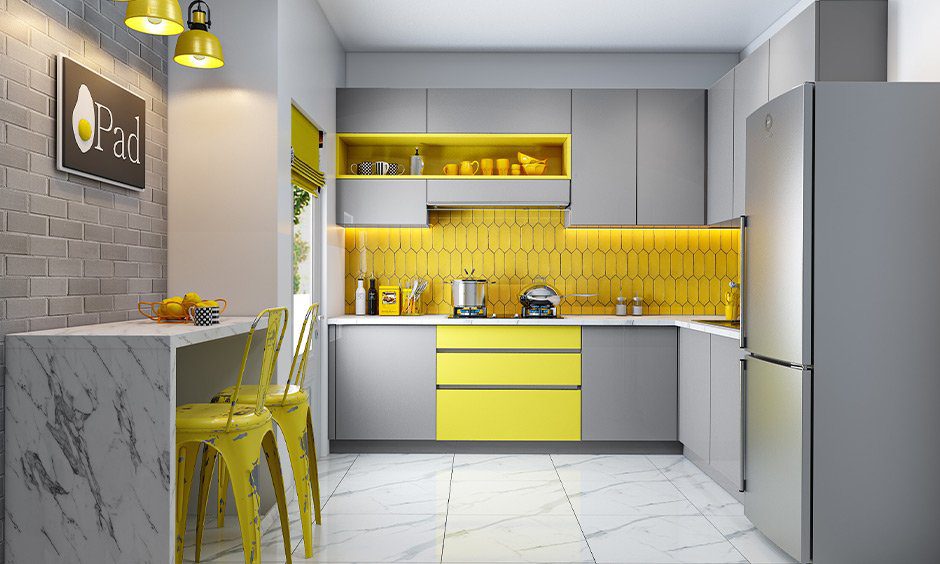
Modern kitchen decor is not limited to large homes or expansive islands. Small kitchens can look just as stylish when the design prioritizes light, efficient storage, and carefully selected decorative details. The goal is to make every element earn its place while maintaining enough open space for comfortable movement and food preparation.
Light-colored cabinetry, uncluttered countertops, simple hardware, and good lighting can help a compact kitchen feel more open. Reflective surfaces may also distribute light around the room, although the result depends on the amount of natural light and the arrangement of the space. If you rent your home, removable accessories and changes that do not require permanent alterations may be more practical than a full redesign.
Use Vertical Space and Concealed Storage
Wall-mounted rails, appropriately installed shelves, drawer organizers, and tall storage cabinets can help make better use of limited space. Store rarely used appliances in cupboards instead of allowing them to occupy the main work surface. Keep the items you use daily accessible, but avoid displaying so many objects that the kitchen begins to feel crowded.
For additional guidance, read the National Kitchen & Bath Association’s advice on making the most of a small kitchen. The organization discusses approaches such as improving storage, using lighting thoughtfully, and selecting furnishings that suit the available space.
Decorate Small Kitchens with Intention

Choose accessories that serve a purpose or contribute meaningful visual interest. A single attractive pendant, a coordinated set of containers, or a compact herb pot can be more effective than several unrelated decorations. If you have a narrow kitchen, keep walkways and cabinet access clear so that decorative objects do not interfere with everyday activities.
You can also create the impression of continuity by repeating a small number of colors and finishes. For example, cream cabinets, oak accessories, and black hardware can form a clear visual scheme without introducing too many competing elements. This approach makes the kitchen feel considered and modern, even when the available space is limited.
How to Decorate a Modern Kitchen on a Budget

You do not need to replace cabinets, countertops, or appliances to refresh your kitchen. Begin by assessing what already works and identifying the details that make the room feel dated or disorganized. Sometimes, clearing the countertops, coordinating accessories, and improving the lighting can make a bigger visual difference than purchasing numerous new decorative objects.
Start with affordable changes such as replacing cabinet hardware, adding a runner, displaying attractive serving boards, or introducing a small plant. If your cabinets are structurally sound, consider whether suitable paint or new handles could improve their appearance. Always check the condition and material of the cabinet surfaces before choosing a refinishing method.
Prioritize Changes That Make the Biggest Difference
If your budget is limited, focus first on the most visible and frequently used areas. Countertop organization can improve the overall appearance immediately, while a well-chosen light fixture may change how the entire room feels. Replacing several small accessories with a coordinated group can also make a kitchen look more intentional without a large expense.
For larger projects, research material costs, installation requirements, and maintenance needs before committing. A new backsplash, countertop, or lighting installation may involve more than the purchase price alone. Compare products, read manufacturer instructions, and seek qualified assistance when electrical work or other specialized installation is necessary.
Common Modern Kitchen Decor Mistakes to Avoid
One common mistake is trying to include every popular trend in the same room. Warm wood, bold colors, patterned tile, statement lighting, open shelves, and mixed metals can all work individually, but using all of them without a clear plan may create visual competition. Choose a primary style and introduce a smaller number of complementary details.
Another mistake is prioritizing appearance over everyday function. Decorative containers can occupy valuable workspace, rugs can obstruct cabinet doors, and poorly placed shelves can make frequently used items difficult to reach. Before adding an accessory, consider how it will affect cooking, cleaning, storage, and movement around the kitchen.
Finally, avoid selecting colors and materials without considering the finishes that will remain. A new paint color may clash with the undertones of an existing countertop, while a trendy hardware finish may look out of place beside your faucet. Test samples in the actual room and make decisions based on the complete design rather than isolated products.
How to Plan Your Modern Kitchen Decor Step by Step

Begin by deciding how you want the kitchen to feel. You might prefer a warm and natural space, a crisp minimalist design, or a contemporary kitchen with darker accents. Looking at your existing cabinets, counters, flooring, and appliances will help you identify a realistic direction without replacing everything.
Next, choose a small color palette and decide which materials will provide the most visual interest. For example, a combination of cream, oak, and matte black can guide your choices for accessories, handles, lighting, and artwork. Keeping these decisions consistent helps prevent unnecessary purchases and makes it easier to compare products.
Finally, work from the largest visual elements toward the smallest details. Address lighting and countertop organization first, then consider the backsplash, shelves, plants, and decorative accessories. Live with each change for a little while before adding more. This gradual approach helps you understand what the room actually needs and reduces the chance of creating clutter.
Frequently Asked Questions About Modern Kitchen Decor
What Is Modern Kitchen Decor?
Modern kitchen decor uses clean lines, coordinated colors, streamlined storage, and carefully selected materials to create a contemporary space. Common features include simple cabinet fronts, attractive lighting, natural wood, uncluttered countertops, and practical accessories. The style can be minimalist, warm, colorful, or luxurious depending on the materials and finishes you choose.
The most important principle is balance. A modern kitchen should look organized without feeling empty and should support everyday activities without unnecessary visual clutter. Personal details, such as artwork, plants, or a styled coffee station, can make the design feel more welcoming.
What Colors Are Best for Modern Kitchen Decor in 2026?
Warm white, cream, beige, taupe, natural wood, muted green, and deep blue are useful choices for contemporary kitchens. Neutrals provide a flexible foundation, while green and blue can introduce color without overwhelming the room. The best combination depends on your natural light, existing finishes, and personal style.
For a timeless look, use one or two main colors and introduce additional shades through accessories or a feature area. Test paint and material samples in your kitchen before making a final decision, because lighting can change how colors appear.
How Can I Make My Kitchen Look Modern Without Remodeling?
Start by organizing countertops, replacing outdated cabinet handles, updating accessories, and improving the lighting where practical. Add a coordinated color palette, a small plant, attractive serving boards, or a simple piece of wall art. These changes can refresh the appearance without requiring new cabinets or countertops.
If you rent your home, focus on removable accessories and changes that do not damage existing surfaces. Before making permanent alterations, check your lease or obtain the necessary permission.
How Do I Decorate Kitchen Countertops Without Creating Clutter?
Keep everyday essentials together in a practical arrangement and leave plenty of workspace open. A tray with a few cooking essentials, a utensil holder, or a small vase can create a decorative focal point without filling the entire counter. Choose items that complement the kitchen’s materials and colors.
Remove objects that are rarely used and store small appliances when they are not needed, if convenient. The goal is to make the countertop attractive and functional rather than turning every available space into a display area.
How Can I Make a Small Kitchen Look More Spacious?
Use a coordinated color palette, maintain clear countertops, and provide sufficient lighting. Light finishes may help a compact kitchen feel brighter, while mirrors or reflective surfaces can distribute available light depending on their placement. Avoid oversized accessories that obstruct movement or make the room feel crowded.
Use vertical storage and cabinet organizers to keep everyday essentials accessible. A small number of coordinated decorative items can provide personality without sacrificing valuable workspace.
How Can I Make Modern Kitchen Decor Feel Warm and Cozy?
Combine streamlined cabinetry with natural materials, warm wood tones, textured ceramics, soft lighting, and a few personal accessories. A wooden serving board, a small herb pot, or a comfortable breakfast-area textile can soften a contemporary design without making it look cluttered.
You can also introduce warmth through cream, beige, muted earth tones, or natural stone finishes. Repeating a few materials across the room creates a welcoming appearance while maintaining a modern style.
What Accessories Should I Use in a Modern Kitchen?
Useful accessories include a coordinated utensil holder, a wooden tray, attractive storage containers, a small plant, a simple vase, and carefully chosen wall art. The right pieces depend on the available space and the kitchen’s existing colors and finishes.
Prioritize accessories that are practical, easy to clean, and proportionate to the room. A few well-chosen items generally create a more polished result than numerous unrelated decorations.
Can I Create Modern Kitchen Decor on a Tight Budget?
Yes. Begin with changes that have a strong visual effect, such as decluttering, replacing cabinet hardware, coordinating countertop accessories, and introducing a runner or small plant. These updates can refresh the room without the cost of a full renovation.
For more expensive changes, compare material and installation costs before making a commitment. Make improvements gradually and prioritize items that solve a real problem or noticeably improve the appearance of your kitchen.
Final Thoughts on Modern Kitchen Decor
The best modern kitchen decor combines a beautiful appearance with practical everyday function. Warm wood, coordinated colors, attractive lighting, thoughtfully styled countertops, and natural textures can transform a kitchen without requiring a complete renovation. Whether your home has a large open-plan kitchen or a compact apartment layout, the same principles of balance, organization, and consistency can help you create a space that feels intentional.
As you explore these 14 modern kitchen decor ideas, begin with the changes that suit your existing kitchen and budget. You might start by replacing cabinet handles, creating a simple coffee station, styling open shelves, or choosing a more coordinated color palette. Small improvements can work together to produce a meaningful change when they follow a clear design direction.
Remember that modern kitchen decor should reflect your lifestyle rather than simply copy a trend. Choose materials that suit your maintenance preferences, accessories that support your routines, and colors that you enjoy living with. A kitchen that looks inviting, functions well, and feels personal is more valuable than a space designed only to follow the latest fashion.